Butterfly Table Tennis: Brand Guide, Best Products, and History
Founded 1950
Butterfly (Tamasu Co., Ltd.) makes the most-used rubbers and blades in professional table tennis. Compare Tenergy, Dignics, and Viscaria by playing style.
· UpdatedButterfly (Tamasu Co., Ltd.) is a Japanese table tennis equipment manufacturer founded in 1950 that holds the highest professional adoption rate of any brand in the sport. At the 2021 World Championships, 46.9% of competing players used Butterfly rubbers and 54.8% used Butterfly blades. Butterfly’s product catalog spans 4 rubber technology lines (Tenergy, Dignics, Rozena, Zyre), over 30 blade models, and 8 premade paddles, with prices ranging from $30 for a recreational premade to $95 per sheet for the Dignics 09C rubber.
Butterfly’s dominance in competitive table tennis traces back to two proprietary technologies: Spring Sponge (2008), which stores and releases elastic energy during ball contact to amplify spin, and High Tension topsheets, which stretch the rubber surface to increase grip without added weight. The brand’s equipment lines address every skill level, from the Butterfly 401 premade for first-time players to the Viscaria and Timo Boll ALC blades paired with Dignics rubbers at the professional tier. Selecting the right Butterfly product depends on sponge hardness preferences, blade stiffness, and price tolerance, all of which vary by playing style and rating level.
What Makes Butterfly Table Tennis Equipment Different from Other Brands?
Butterfly table tennis equipment uses proprietary Spring Sponge and High Tension rubber technologies developed by Tamasu Co., Ltd. since 1950 in Japan. At the 2021 World Championships, 46.9% of players used Butterfly rubbers and 54.8% used Butterfly blades, more than double the market share of the next-closest manufacturer.
Hikosuke Tamasu founded the company in Yanai, Yamaguchi Prefecture, Japan. The brand moved its headquarters to Sumida, Tokyo, where Tamasu Co., Ltd. controls the supply chain from raw rubber compounding through final assembly. Butterfly manufactures rubbers and blades (except entry-tier models) in Japanese factories, maintaining tighter quality tolerances across production batches than brands that outsource to third-party facilities.
Spring Sponge technology, introduced in 2008 with the Tenergy line, replaced traditional rubber sponge with a micro-cellular structure that compresses and rebounds during ball contact. The elastic energy return from Spring Sponge amplifies topspin RPM without requiring the player to increase stroke speed. High-speed camera footage of Spring Sponge rubber shows the ball sinking 15-20% deeper into the sponge on contact compared to standard inverted rubbers, increasing dwell time and spin generation at identical stroke speeds.
Butterfly extended Spring Sponge in 2019 with the Dignics line, rebranding the sponge as “Spring Sponge X” with a harder, denser cell structure. The Dignics sponge starts at 40 degrees (Butterfly scale) compared to 36 degrees for Tenergy, targeting advanced players who want higher energy return from a firmer feel. Ball contact on a Dignics sheet produces a distinctly sharper click compared to the softer, damped sound of Tenergy contact at the same stroke speed.
Professional players on Butterfly’s current roster include Timo Boll (Germany), Dimitrij Ovtcharov (Germany), Tomokazu Harimoto (Japan), Hugo Calderano (Brazil), Felix Lebrun (France), and Adriana Diaz (Puerto Rico). Ma Long (China) used Butterfly blades before switching to DHS. The best table tennis paddles ranked by playing style include multiple Butterfly setups across offensive and allround categories.
Which Butterfly Table Tennis Rubbers Produce the Most Spin and Speed?
Butterfly Dignics 09C tops the spin output among Butterfly rubbers through its 44-degree hard sponge with tacky topsheet. Butterfly Tenergy 05 reaches 13.0 speed and 11.5 spin on the Butterfly rating scale. Butterfly Zyre 03 combines tacky grip with tensor catapult mechanics for hybrid spin-speed output new to the 2026 lineup.
Butterfly Tenergy Series: High Tension Rubbers for Offensive Players
The Butterfly Tenergy series, launched in 2008, was the first rubber line built on Spring Sponge technology. Tenergy rubbers use a 36-degree sponge (Butterfly scale) paired with a High Tension topsheet. Four variants cover different speed-spin profiles:
- Tenergy 05: 13.0 speed, 11.5 spin. The highest-spin variant, optimized for topspin loops from close and mid distance. The pimple geometry on the 05 topsheet angles forward at 45 degrees, gripping the ball during brushing contact. This is the single most-used rubber among professional players worldwide.
- Tenergy 64: 13.5 speed, 10.5 spin. The fastest Tenergy variant, built for flat hitting and counter-driving. The 64 topsheet pimples stand taller and thinner than the 05, reducing friction but increasing rebound speed.
- Tenergy 80: 13.0 speed, 11.0 spin. A balance between 05 and 64, combining moderate spin with stable speed for allround offensive play.
- Tenergy 19: 12.5 speed, 11.5 spin. The newest Tenergy variant, matching 05 spin levels at reduced speed for players who loop from mid-to-far distance.
Tenergy sheets cost $60-80 and maintain peak spin for 50-80 hours of active play before the topsheet loses grip. Pressing a finger into the sponge surface of a fresh Tenergy sheet produces visible spring-back within 1 second, a quick field test for sponge degradation.
Butterfly Dignics Series: Maximum Spin with Hard Sponge Construction
The Butterfly Dignics series launched in 2019 with Spring Sponge X, a denser variant of Butterfly’s original Spring Sponge. Dignics rubbers use harder sponges (40-44 degrees Butterfly scale) than Tenergy (36 degrees), producing a higher throw angle and more energy return per unit of stroke force. Three main variants serve different playing profiles:
- Dignics 05: 13.0 speed, 11.5 spin, 40-degree sponge. An upgraded Tenergy 05 with a firmer feel and higher throw angle. The harder sponge rewards players who swing fast and punishes slow, passive strokes.
- Dignics 09C: 12.5 speed, 12.0 spin, 44-degree sponge. The hardest Butterfly rubber, combining a tacky topsheet with Spring Sponge X. The tacky surface picks up a ball when pressed face-down, similar to Chinese-style rubbers like DHS Hurricane 3, but the Spring Sponge X underneath adds catapult effect absent from traditional Chinese rubbers.
- Dignics 80: 13.0 speed, 11.0 spin, 40-degree sponge. Balanced speed-spin output for players who mix loops and drives.
Dignics sheets cost $75-95 and last 80-120 hours before performance degradation, about 40% longer than Tenergy due to the harder sponge resisting compression fatigue. The best table tennis rubbers for every playing style ranks Dignics and Tenergy variants against competing brands.
Butterfly Zyre Series: Hybrid Tacky-Tensor Technology for 2026
The Butterfly Zyre series launched in 2025 as Butterfly’s first hybrid rubber, combining a tacky topsheet with tensor-style sponge mechanics. Zyre targets players who want Chinese-rubber spin with European-rubber speed in a single sheet.
- Zyre 03: Tacky topsheet with a tensor catapult sponge. Ball contact at low stroke speeds produces Chinese-style grip and placement control. At high stroke speeds, the tensor sponge engages and accelerates the ball beyond what a traditional tacky rubber achieves. This dual behavior makes the Zyre 03 effective both at the table for short push-flick exchanges and at mid distance for topspin rallies.
Butterfly Rozena: Forgiving Rubber for Developing Players
Butterfly Rozena uses Spring Sponge at 32 degrees (Butterfly scale), the softest sponge in the Butterfly performance rubber lineup. The lower sponge hardness increases dwell time on contact, giving developing players a wider timing window on off-center hits. Rozena rates 11.5 speed and 10.0 spin, sitting below Tenergy in output but above premade rubber in quality. At $40 per sheet, Rozena costs roughly half the price of Tenergy 05 and serves as the bridge product for players transitioning from premade paddles to custom setups.
Which Butterfly Blades Suit Offensive, All-Round, and Defensive Styles?
Butterfly Timo Boll ALC with 5+2 Arylate-Carbon plies at 86 g handles offensive topspin attack. Butterfly Viscaria with inner-fiber carbon at 87 g handles mid-distance looping. Butterfly Primorac Carbon with 5+2 plies covers allround control for club-level play.
Butterfly Timo Boll ALC: Arylate-Carbon for Topspin Attack
The Butterfly Timo Boll ALC stacks 5 plies of wood with 2 outer plies of Arylate-Carbon composite at a total weight of 86 g. Arylate-Carbon placement in the outer layers amplifies energy transfer to the ball on full swings while damping vibration on off-center contact. The ALC blade is the most popular carbon blade among rated tournament players globally.
The blade’s flared handle (FL) fits the shakehand grip used by 85%+ of non-Asian competitive players. A forehand loop struck with the Timo Boll ALC at full swing speed produces an audible crack distinct from the muted response of all-wood blades at the same pace. The blade pairs with Tenergy 05 on the forehand and Tenergy 80 on the backhand in the most common professional configuration.
Butterfly Viscaria: Inner-Fiber Carbon for Mid-Distance Play
The Butterfly Viscaria places its 2 Arylate-Carbon plies in the inner layers (closer to the handle) rather than the outer layers. Inner-fiber carbon placement reduces direct ball feedback compared to outer-fiber carbon, creating a softer touch and longer dwell time at the blade surface. The Viscaria weighs 87 g and was originally Ma Long’s blade of choice during his early competitive career.
Inner carbon placement makes the Viscaria slower off the blade surface than the Timo Boll ALC at identical stroke speeds. That speed reduction trades for increased control on touch shots, blocks, and passive rallies at mid distance (2-3 meters from the table). Players who loop with wrist acceleration rather than full-arm swings gain more from the Viscaria’s flex profile. The best table tennis blades for every construction type compares inner-fiber and outer-fiber carbon blades across brands.
Butterfly Innerforce Layer ZLC: Controlled Power with ZL Carbon
The Butterfly Innerforce Layer ZLC uses ZL Carbon (a Zylon and carbon fiber composite) in its inner plies. Zylon fiber is 40% lighter than standard carbon fiber at equivalent stiffness, allowing the Innerforce Layer ZLC to maintain a sub-85 g blade weight while matching the stiffness of heavier carbon blades. The reduced weight lowers the moment of inertia during fast swing transitions between forehand and backhand.
ZL Carbon placement in the inner layers follows the same control-oriented philosophy as the Viscaria but with faster recovery from blade flex. The Innerforce Layer ZLC pairs with Dignics rubbers for advanced players who want inner-fiber control with faster energy return than Arylate-Carbon alone.
Butterfly Primorac Carbon: All-Round Blade for Club Players
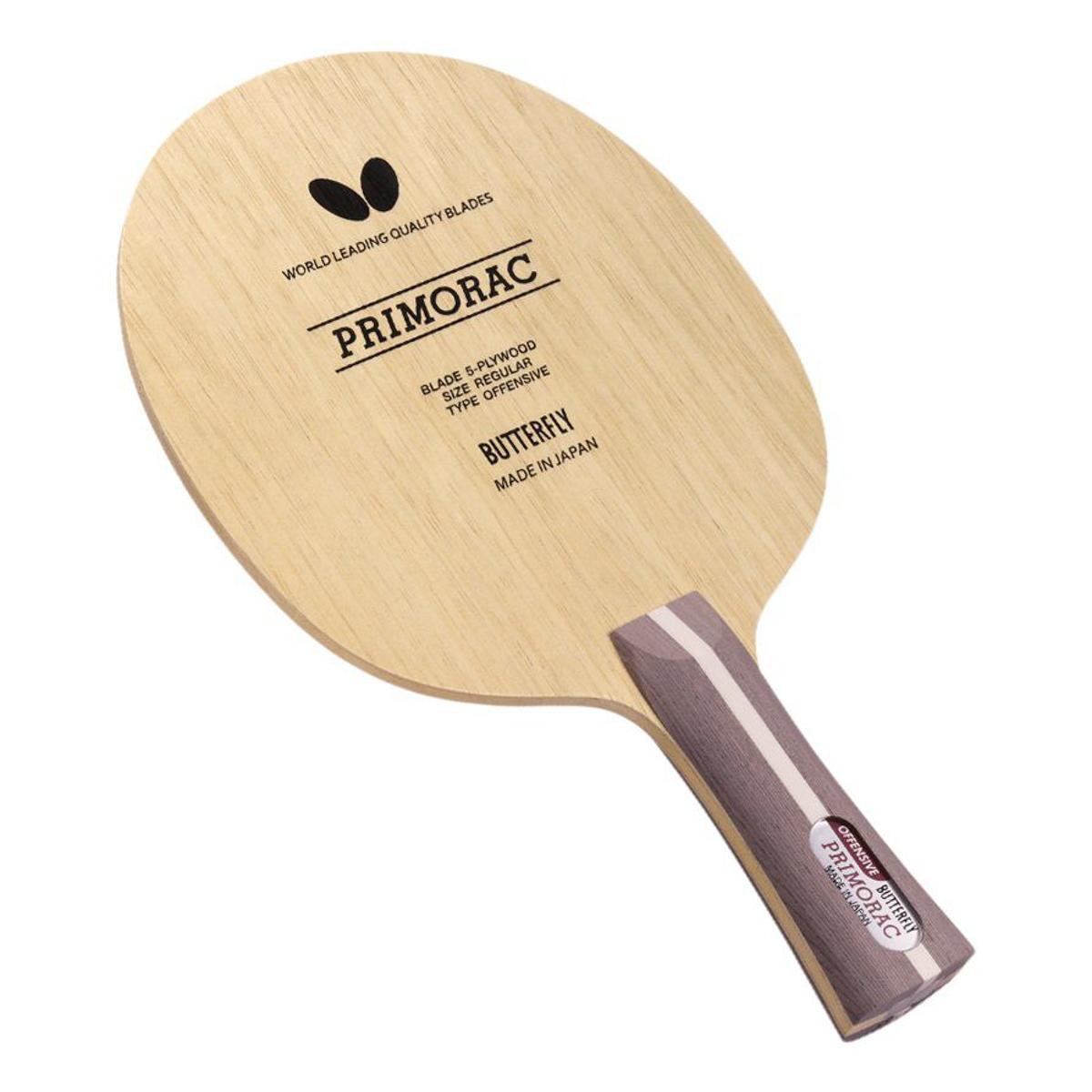
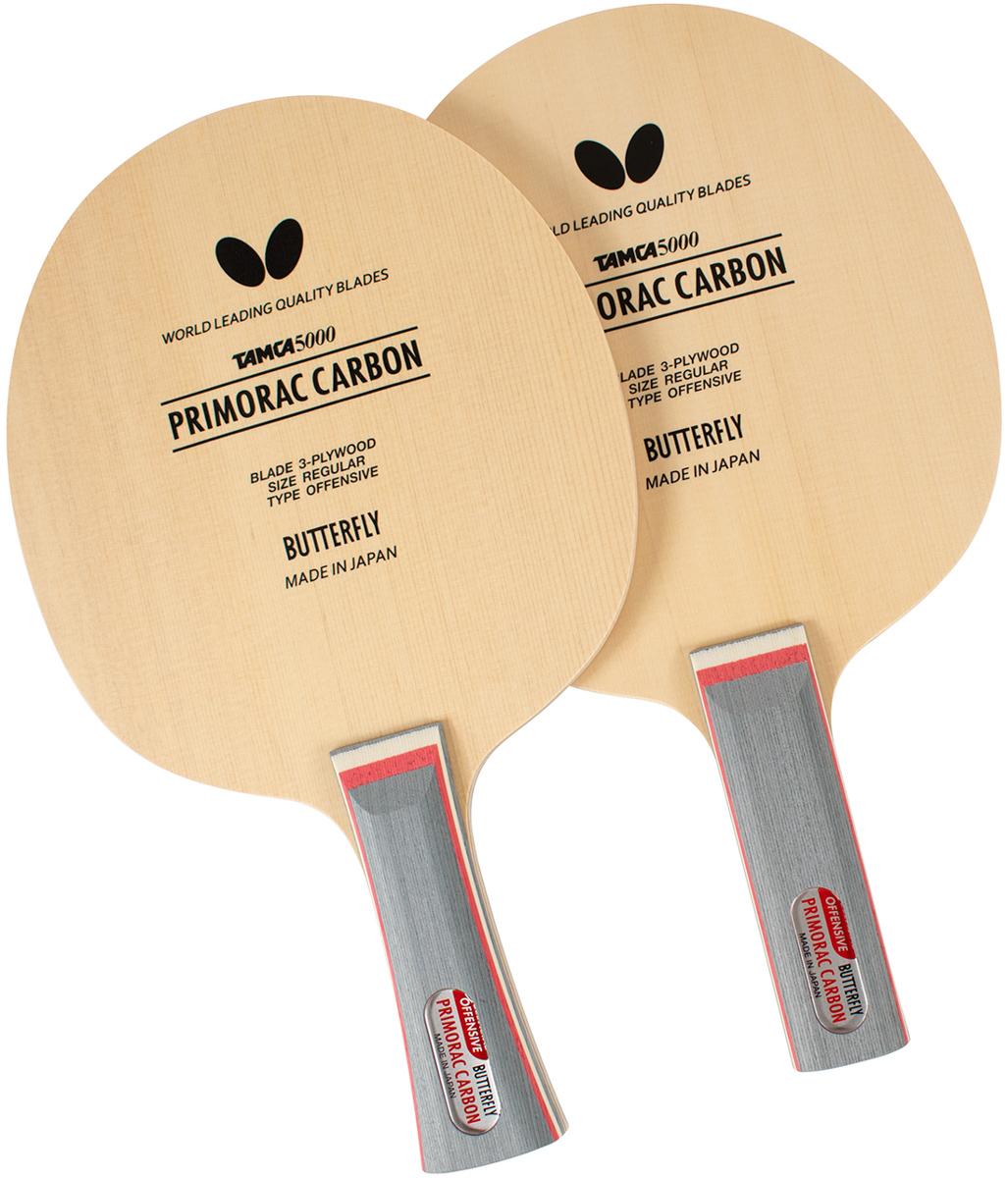
The Butterfly Primorac Carbon uses 5+2 plies with carbon placed in the outer layers. At an intermediate stiffness rating and a price point of $80-100, the Primorac Carbon fills the gap between Butterfly’s all-wood entry blades and the premium ALC and Viscaria models. Club players rated 1200-1800 who train 4-8 hours per week use the Primorac Carbon with Rozena or Tenergy rubber for a complete setup under $180.
What Are the Best Premade Butterfly Paddles for Beginners and Intermediate Players?
Butterfly premade paddles start at $30 for the Butterfly 401 with Yuki rubber for recreational play. The Butterfly Marcos Freitas MFX1 at $55 adds Wakaba rubber for intermediate spin generation. All Butterfly premade paddles use ITTF-approved rubber surfaces.
Three premade paddles cover the beginner-to-intermediate range:
- Butterfly 401 ($30): 5-ply all-wood blade with Yuki rubber. Low speed, high control. Built for players learning basic strokes and serve mechanics. The 401 weighs 170 g assembled, light enough that new players avoid wrist fatigue during extended sessions.
- Butterfly Stayer 1200 ($35): 5-ply blade with Addoy rubber. Increased spin over the 401 through a grippier topsheet. Targets recreational players who want to start developing topspin strokes.
- Butterfly Marcos Freitas MFX1 ($55): 5-ply blade with Wakaba rubber. Noticeably more spin and speed than the Stayer line. The MFX1 is the highest-performing Butterfly premade and the last step before a player transitions to a custom blade-and-rubber setup.
Premade paddles use factory-bonded rubber that cannot be replaced when worn. A premade paddle lasts 6-12 months of regular play (2-4 sessions per week) before the rubber surface loses spin capability. The cost per hour of play with a premade paddle is lower than a custom setup, making premades the recommended starting point for players who have not committed to regular training schedules.
How Do Butterfly Rubber Product Lines Compare in Speed, Spin, and Control?
Butterfly Tenergy 05 rates 13.0 speed with 36-degree sponge for offensive play. Butterfly Dignics 05 increases control through 40-degree sponge hardness. Butterfly Rozena rates 11.5 speed with 32-degree sponge for intermediate players. Sponge hardness determines the speed-control tradeoff across all Butterfly rubber lines.
| Rubber Line | Speed | Spin | Sponge Hardness | Price per Sheet | Target Player |
|---|---|---|---|---|---|
| Tenergy 05 | 13.0 | 11.5 | 36 degrees | $60-80 | Advanced offensive |
| Tenergy 64 | 13.5 | 10.5 | 36 degrees | $60-80 | Advanced flat-hitting |
| Tenergy 80 | 13.0 | 11.0 | 36 degrees | $60-80 | Advanced allround |
| Dignics 05 | 13.0 | 11.5 | 40 degrees | $75-95 | Professional offensive |
| Dignics 09C | 12.5 | 12.0 | 44 degrees | $75-95 | Professional spin-oriented |
| Dignics 80 | 13.0 | 11.0 | 40 degrees | $75-95 | Professional allround |
| Zyre 03 | 12.5 | 11.5 | 38 degrees | $65-85 | Advanced hybrid-style |
| Rozena | 11.5 | 10.0 | 32 degrees | $35-45 | Intermediate transition |
The sponge hardness column is the fastest way to narrow down the right Butterfly rubber. Players who generate spin through fast, compact wrist strokes benefit from harder sponges (40+ degrees) that reward clean contact. Players who rely on longer arm swings and need more dwell time from the rubber benefit from softer sponges (32-36 degrees) that compress deeper on contact.
Speed and spin ratings use Butterfly’s proprietary scale, which does not convert directly to other brands’ scales. Comparing a Tenergy 05 at 13.0 speed to a STIGA Mantra M at a listed 130 speed requires testing under identical stroke conditions, not number-to-number comparison.
How Do You Choose the Right Butterfly Equipment for Your Skill Level?
Beginner players (0-1200 rating) start with Butterfly premade paddles at $30-55. Intermediate players (1200-1800) upgrade to Rozena rubber on a Primorac blade at $120-160 total. Advanced players (1800+) use Tenergy or Dignics rubber on Timo Boll ALC or Viscaria blades at $200-350 total.
Three tiers match Butterfly equipment to skill progression:
Tier 1: Beginner (0-1200 USATT rating, training 1-3 hours per week) Start with the Butterfly 401 or Stayer 1200 premade ($30-35). These paddles teach stroke fundamentals without overwhelming new players with speed. Upgrade to the Marcos Freitas MFX1 ($55) after 3-6 months of consistent play.
Tier 2: Intermediate (1200-1800 USATT rating, training 4-8 hours per week) Transition to a custom setup: Butterfly Primorac Carbon blade ($80-100) with Rozena rubber on both sides ($35-45 per sheet, $70-90 total). Total cost: $150-190. Rozena’s 32-degree sponge forgives timing errors while providing enough spin for developing topspin technique. Players at the upper end of this tier replace Rozena with Tenergy 05 on the forehand ($60-80) while keeping Rozena on the backhand.
Tier 3: Advanced (1800+ USATT rating, training 8+ hours per week) Upgrade to Butterfly Timo Boll ALC or Viscaria blade ($140-250) with Tenergy or Dignics rubber ($60-95 per sheet, $120-190 total). Total cost: $260-440. At this level, sponge hardness preference dictates rubber selection: 36-degree Tenergy for players who rely on arm-speed spin, 40-44 degree Dignics for players who generate spin through wrist acceleration and compact strokes.
How Does Butterfly Compare to STIGA, DHS, and JOOLA?
Butterfly rubber sheets cost $55-95 per sheet compared to STIGA at $25-45, DHS at $15-35, and JOOLA at $30-55. Butterfly’s premium reflects Japanese manufacturing, Spring Sponge technology, and the highest professional adoption rate at 46.9% world championship usage.
Four factors separate Butterfly from competing brands:
- Manufacturing control: Butterfly compounds raw rubber and assembles finished products in Japanese factories. STIGA manufactures in Sweden and China. DHS manufactures in China. JOOLA manufactures in Germany and outsources entry-tier production. Butterfly’s vertical integration reduces batch-to-batch variation.
- Sponge technology: Spring Sponge (Butterfly) stores elastic energy in micro-cellular structures. STIGA’s ACS and DNA rubbers use standard tensor technology. DHS Hurricane rubbers use traditional hard sponge with no catapult mechanism. JOOLA Rhyzer rubbers use tensor sponge. The Spring Sponge approach increases spin output at lower stroke speeds compared to standard tensor rubbers.
- Professional adoption: 46.9% of 2021 World Championship players used Butterfly rubbers. DHS rubbers appeared on approximately 25% of players (primarily Chinese team). STIGA and JOOLA each held single-digit percentages.
- Price positioning: A complete Butterfly advanced setup (Timo Boll ALC + 2 sheets Tenergy 05) costs $280-410. The equivalent STIGA setup (Carbonado 290 + 2 sheets DNA Pro M) costs $180-260. The equivalent DHS setup (Hurricane Long 5 + 2 sheets Hurricane 3 NEO) costs $90-150. The equivalent JOOLA setup (Rossi Emotion + 2 sheets Rhyzer Pro 50) costs $140-210.
The price gap narrows at the beginner tier. Butterfly premade paddles ($30-55) compete directly with STIGA Pro Carbon ($65), JOOLA Infinity ($50), and DHS premades ($20-40) without a significant premium.
How Long Do Butterfly Tenergy and Dignics Rubbers Last Before Replacement?
Butterfly Tenergy rubbers maintain peak grip and spin for 50-80 hours of active play, requiring replacement every 2-3 months for competitive players who train 8+ hours per week. Butterfly Dignics rubbers extend to 80-120 hours before performance degradation.
The harder sponge in Dignics (40-44 degrees) resists compression fatigue longer than Tenergy’s 36-degree sponge. Compression fatigue occurs when repeated ball impacts permanently deform the sponge’s micro-cellular structure, reducing energy return on each subsequent contact. A Dignics 05 sheet used 100 hours still holds 85-90% of its original speed output, while a Tenergy 05 sheet at 100 hours drops to 70-75%.
Two field tests check rubber condition without specialized equipment. First, press the rubber face-down onto a table tennis ball. Fresh Tenergy and Dignics rubber grips the ball firmly enough to lift the ball off the table. Worn rubber fails to hold the ball. Second, flick the rubber surface with a fingernail. Fresh rubber returns a high-pitched snap. Worn rubber returns a dull, flat tone.
Annual rubber cost for a competitive player using Tenergy 05 on both sides (replacing every 2-3 months): $480-640 per year. Annual cost for Dignics 05 on both sides (replacing every 3-4 months): $450-570 per year. The longer lifespan of Dignics partially offsets the higher per-sheet price.
Does Butterfly Equipment Justify Its Premium Price for Club Players?
Butterfly equipment costs 40-60% more than comparable STIGA or JOOLA setups. Club players who train 8+ hours per week and compete in USATT-sanctioned tournaments gain measurable benefit from Butterfly’s spin consistency and batch-to-batch reliability. Players training under 4 hours weekly reach equivalent match results with mid-tier brands at half the annual equipment cost.
The price justification splits along a training-volume threshold. At 8+ hours per week, stroke mechanics are consistent enough that small differences in sponge response between rubber batches affect point outcomes. Butterfly’s manufacturing tolerances keep sponge hardness within 1 degree across sheets from different production runs. Competing brands vary by 2-3 degrees between batches, forcing players to adjust technique when replacing rubber.
Below 4 hours per week, stroke-to-stroke variation in the player’s own technique exceeds the performance difference between Butterfly and mid-tier equipment. A JOOLA Rhyzer Pro 50 at $35-45 per sheet reaches 90% of Tenergy 05’s spin output in lab testing. The remaining 10% disappears inside the noise of inconsistent player mechanics at the 1200-1600 rating range.
The break-even calculation: a player switching from Tenergy to JOOLA Rhyzer saves $300-400 per year on rubber. A player switching from a full Butterfly setup (blade + rubbers) to an equivalent JOOLA setup saves $150-250 on the blade and $300-400 per year on rubber. The savings exceed the cost of 2-3 months of coaching, which improves match results more than any equipment upgrade at the intermediate level.
Butterfly Paddles
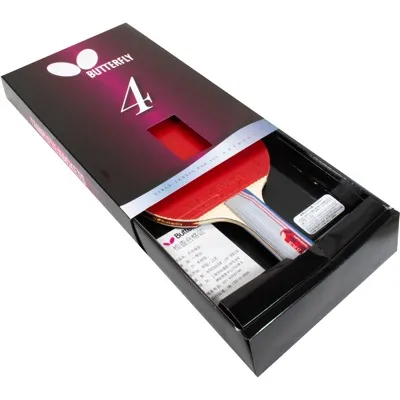
Butterfly Fan Zhendong ALC Pro-Line
$370
Butterfly Harimoto Innerforce ALC Pro-Line
$370
Butterfly Lin Yun-Ju 3000
$30
Butterfly Nakama S-1
$145
Butterfly Nakama S-3
$115
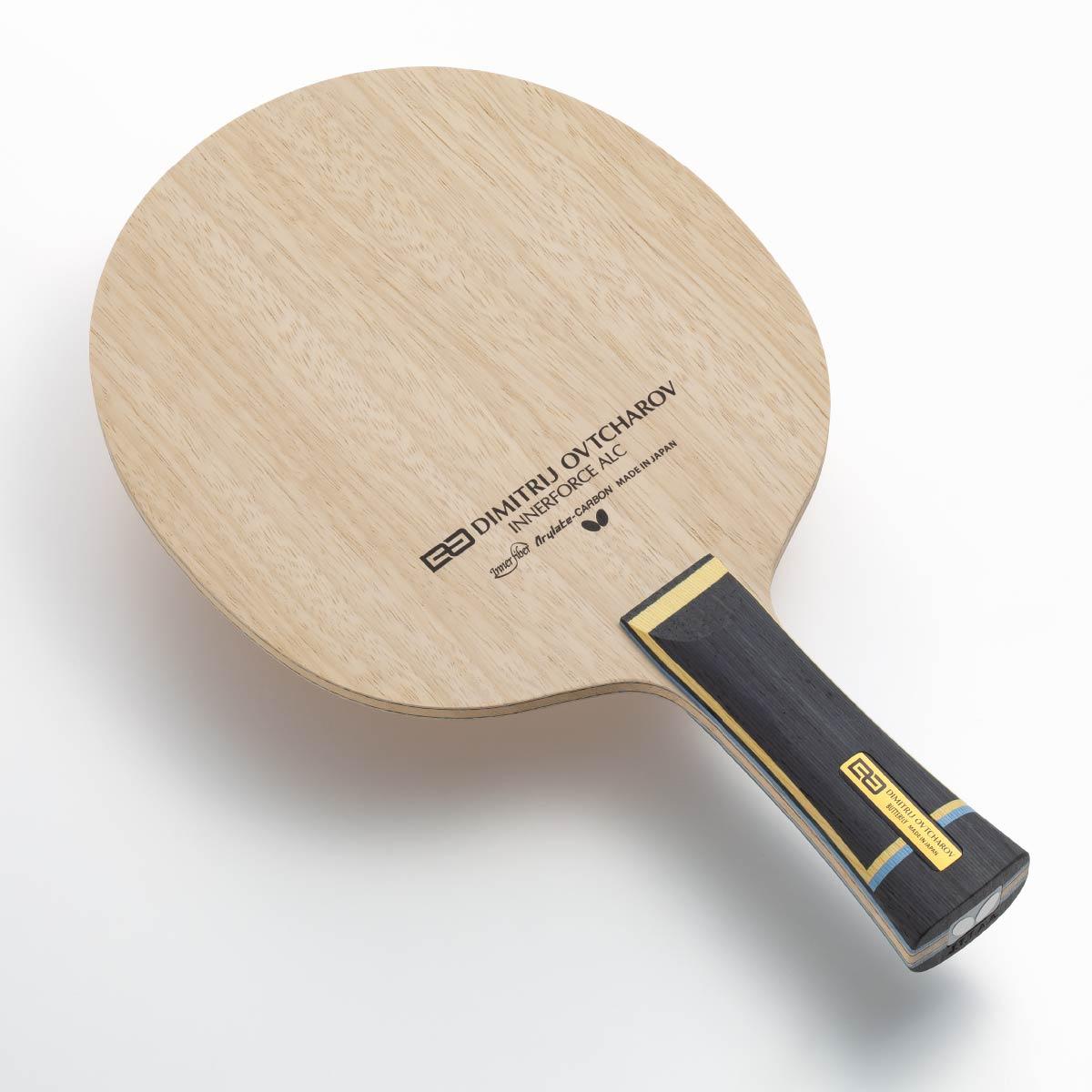
Butterfly Ovtcharov Innerforce ALC Pro-Line
$373
Butterfly RDJ S6
$32
Butterfly Timo Boll 1000
$35–50
Speed: 6.5 Spin: 7 Control: 8.5
Butterfly Timo Boll 3000
$37
Butterfly Timo Boll ALC Pro-Line
$373
Butterfly Viscaria Pro-Line
$373
Butterfly Blades
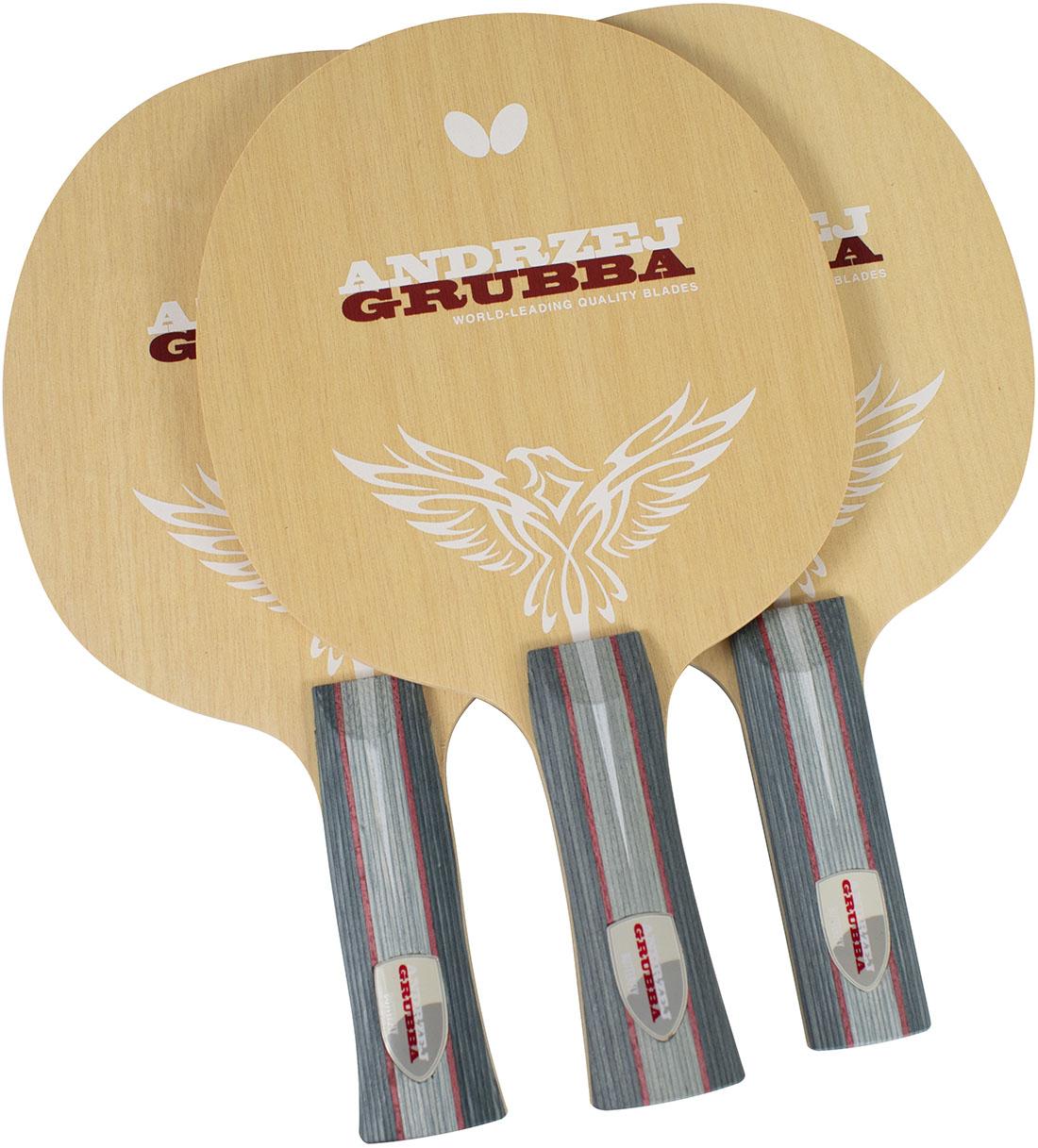
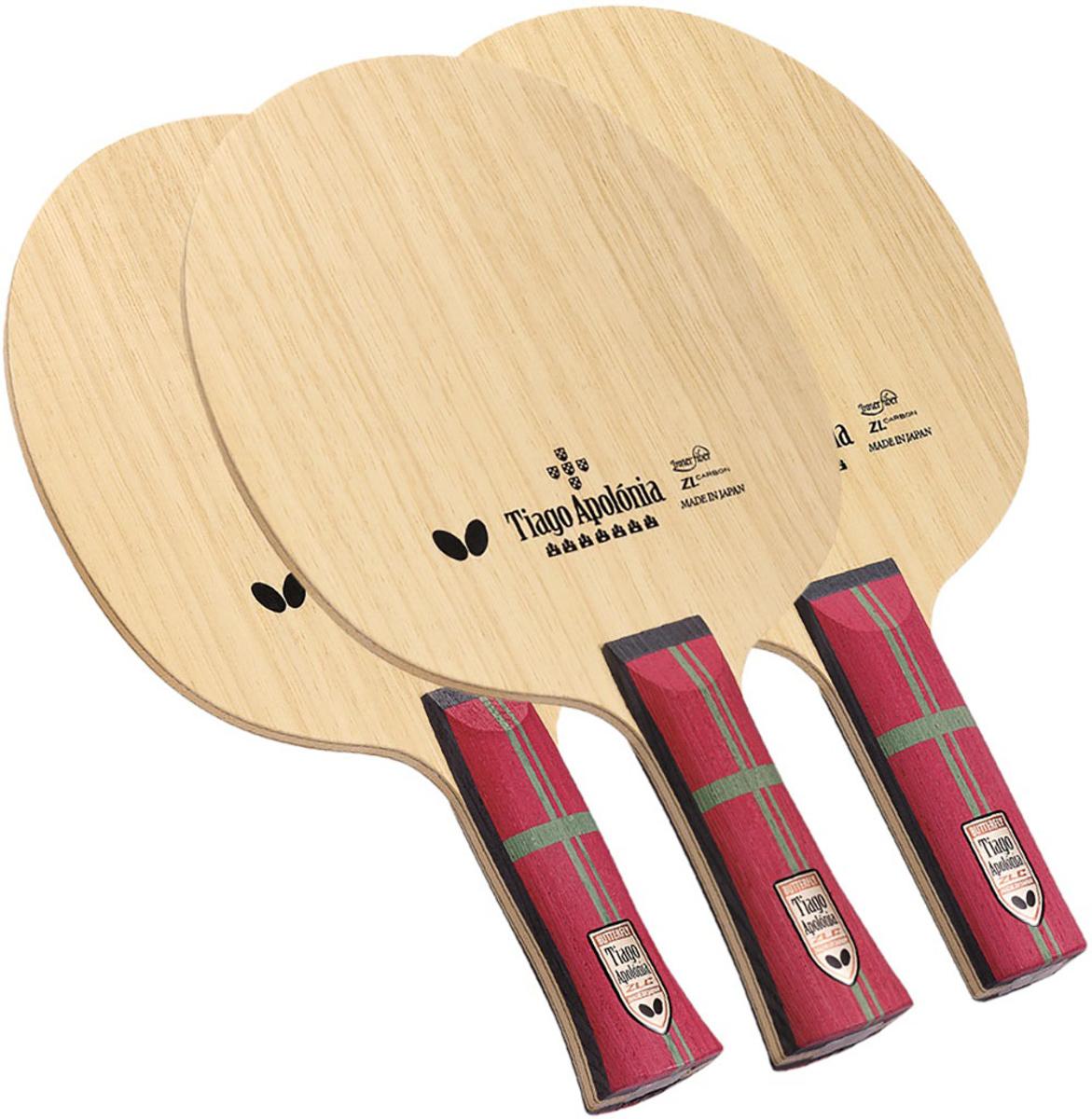
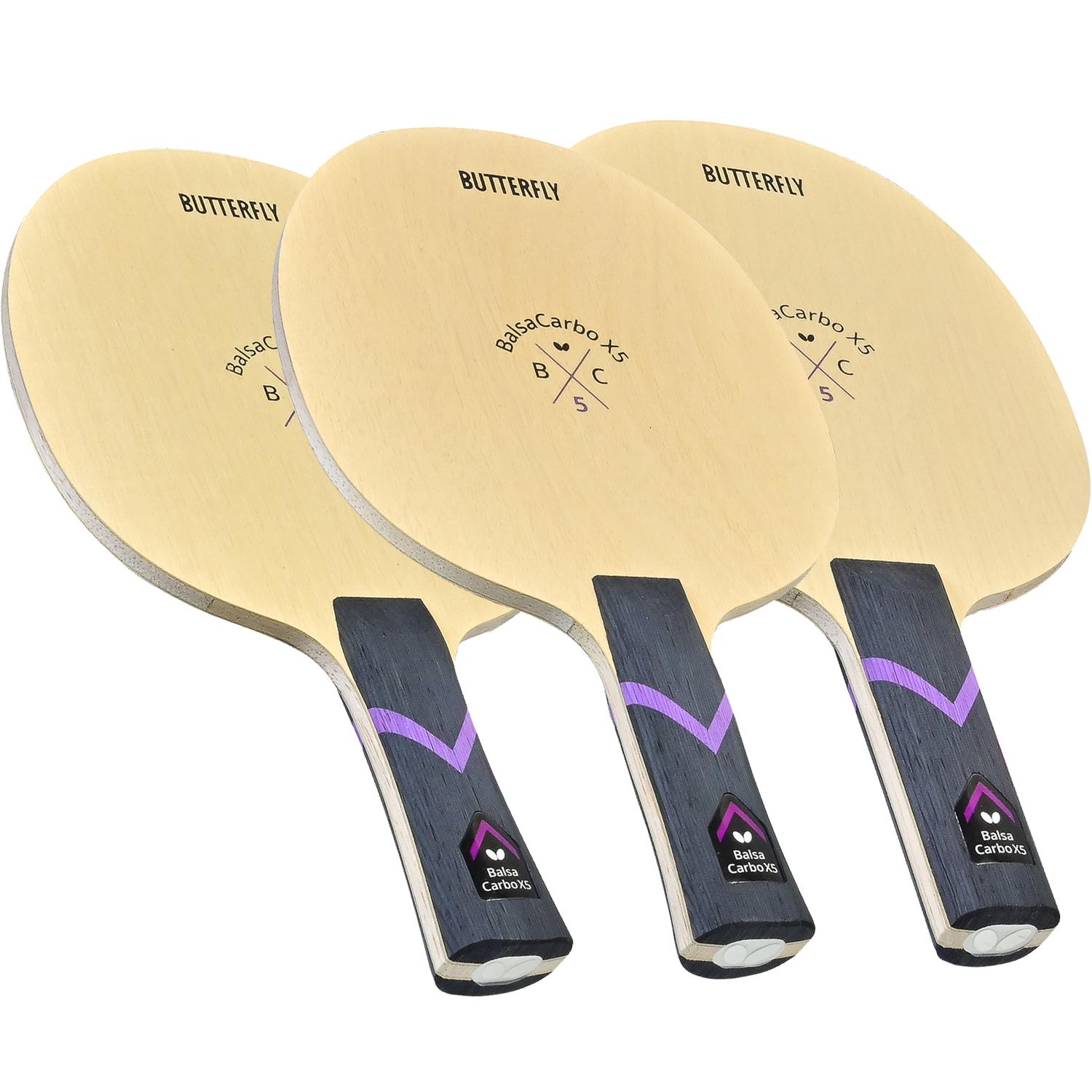
Butterfly BalsaCarbo X5
$90–120
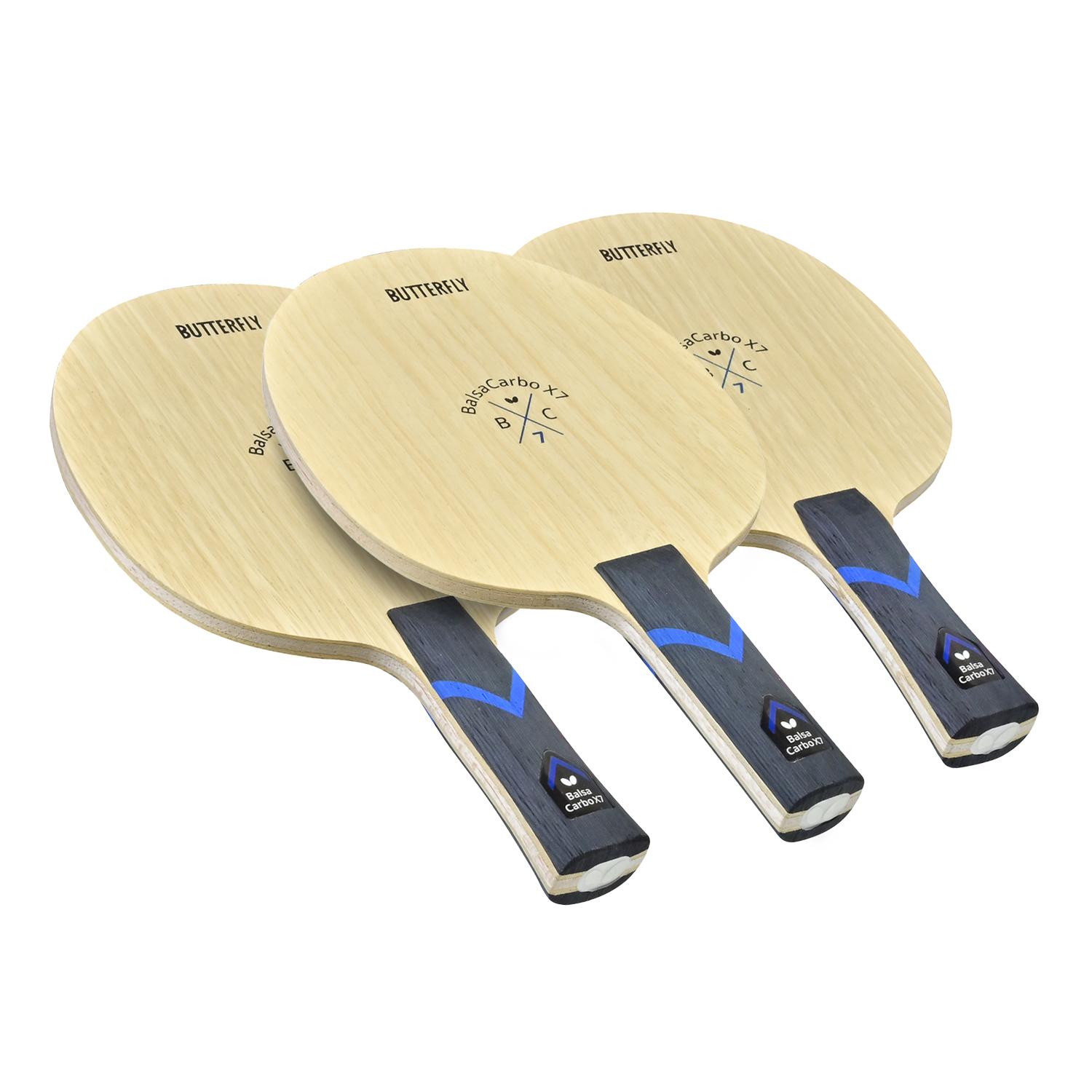
Butterfly BalsaCarbo X7
$90–120
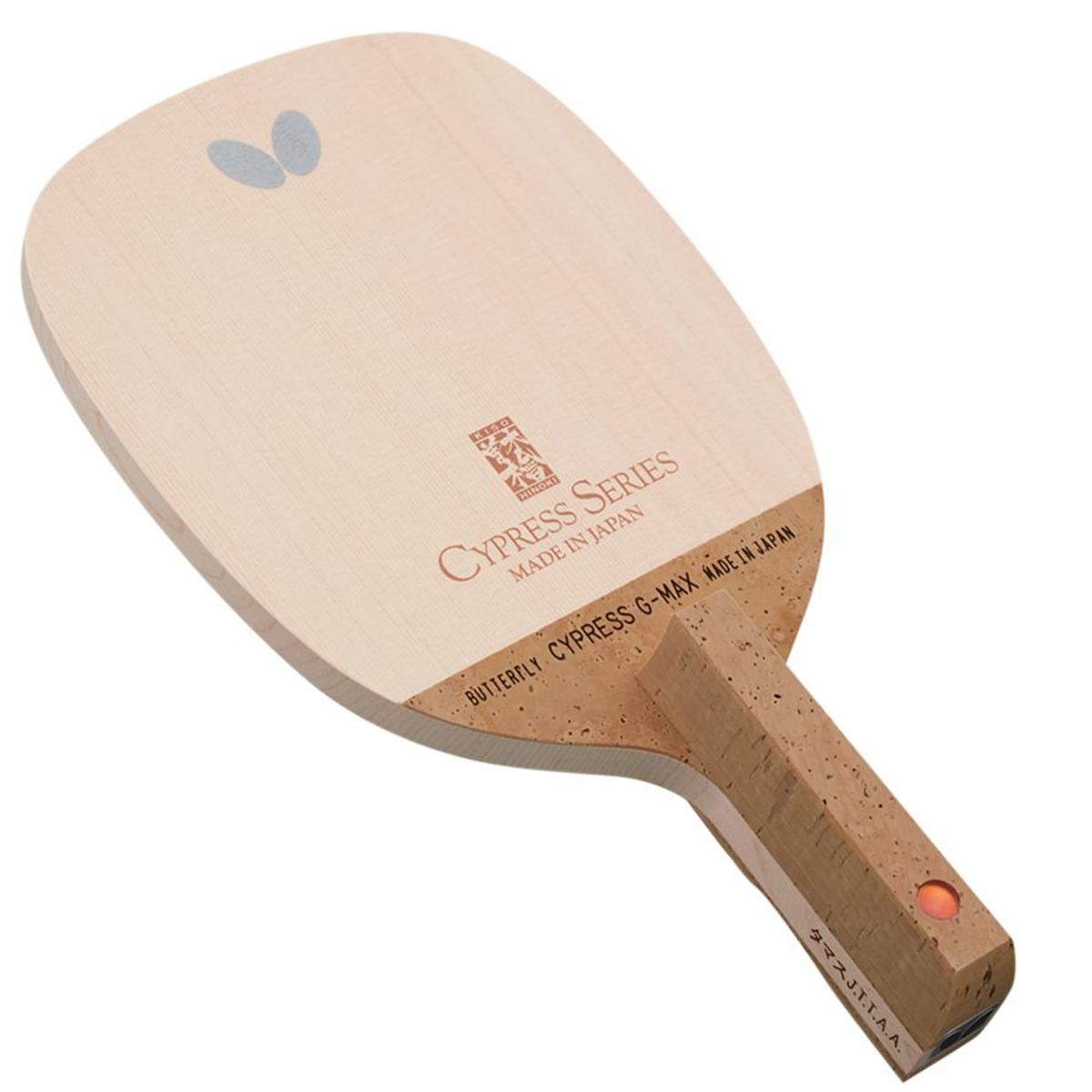
Butterfly Cypress G-Max S
$250–350
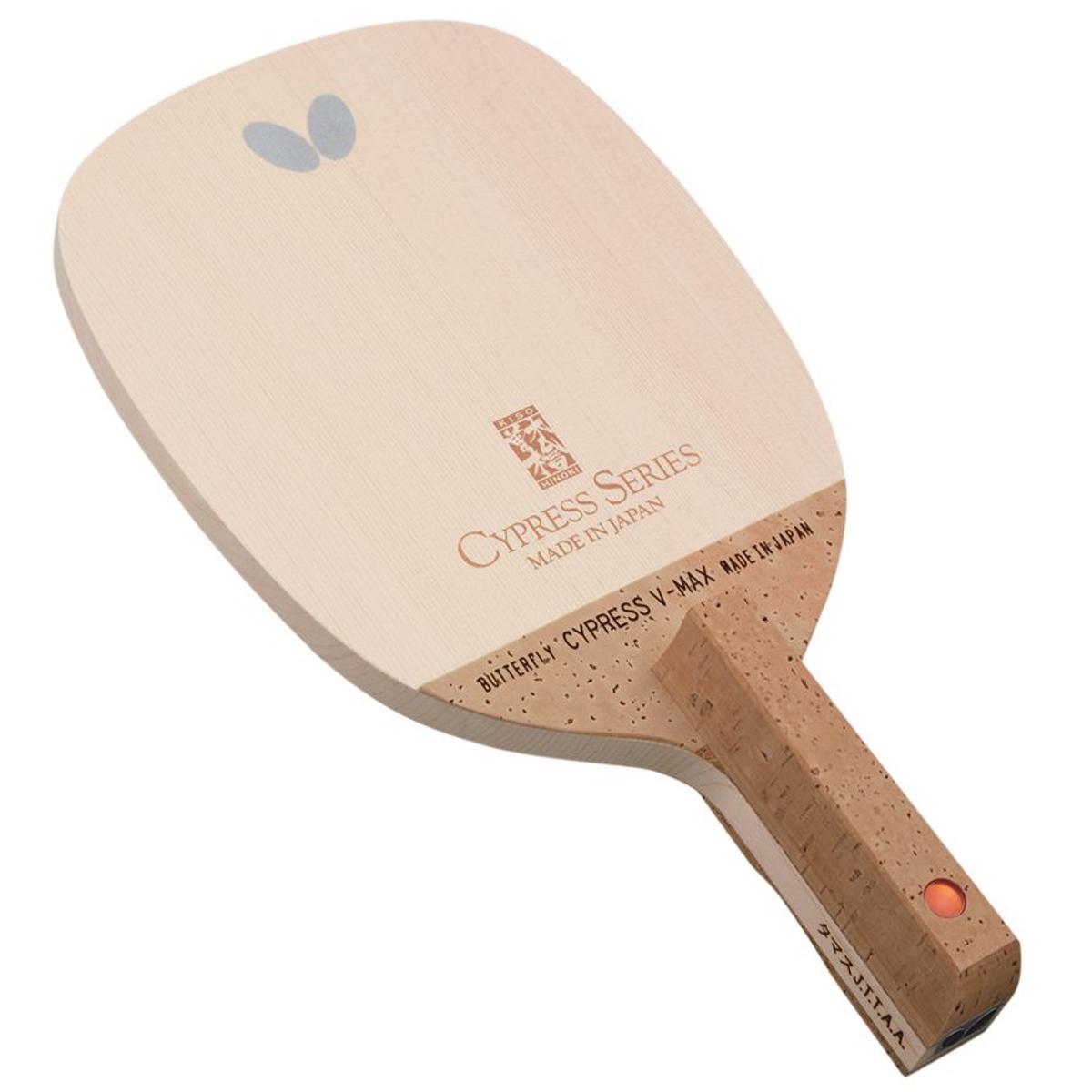
Butterfly Cypress V-Max S
$250–350
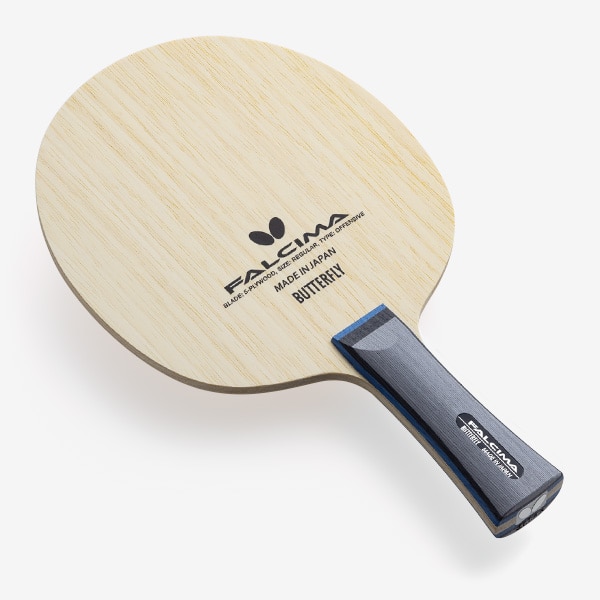
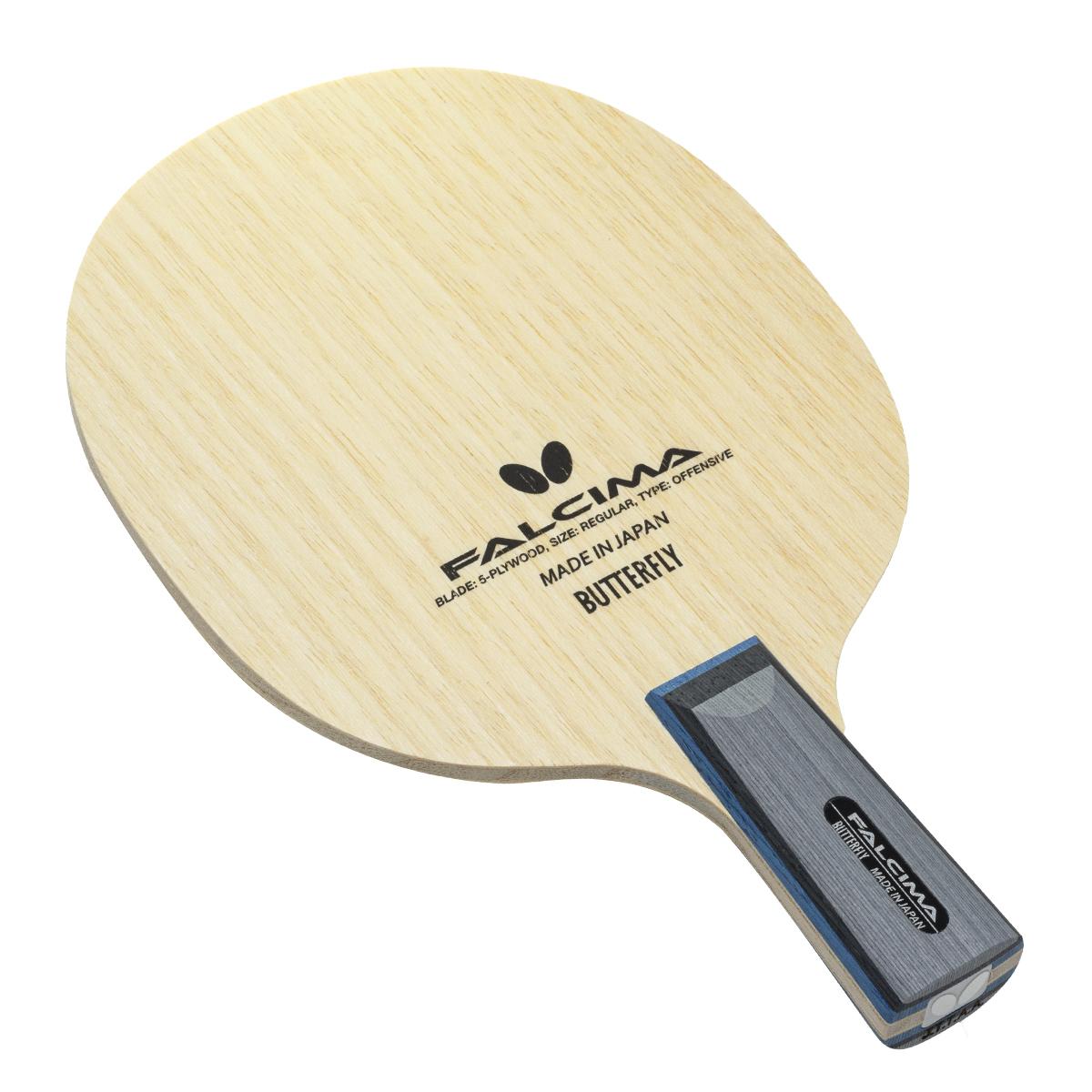
Butterfly Falcima CS
$80–100
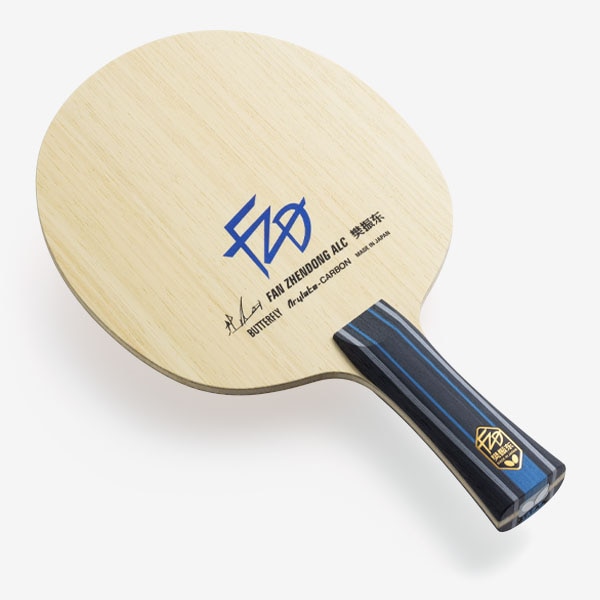
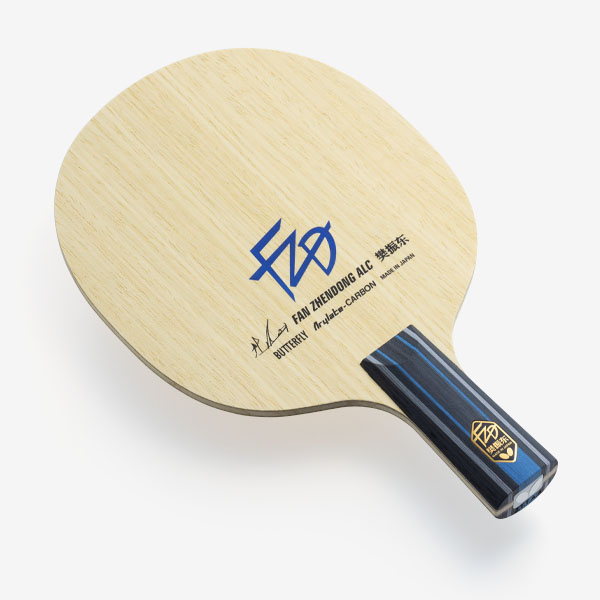
Butterfly Fan Zhendong ALC CS
$120–160
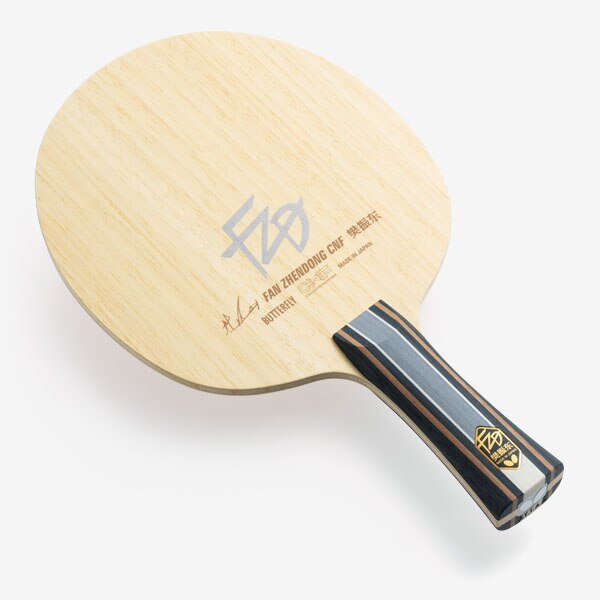
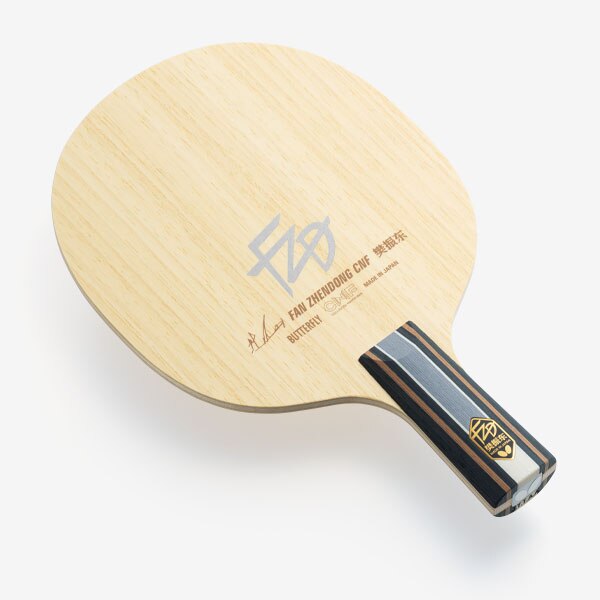
Butterfly Fan Zhendong CNF CS
$140–180
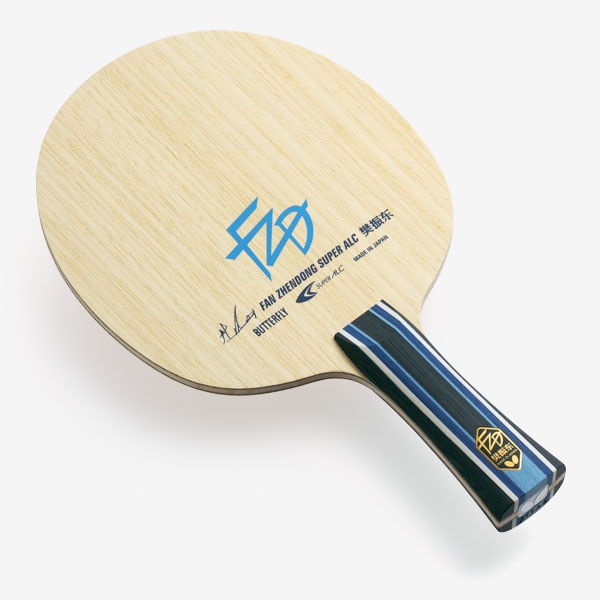
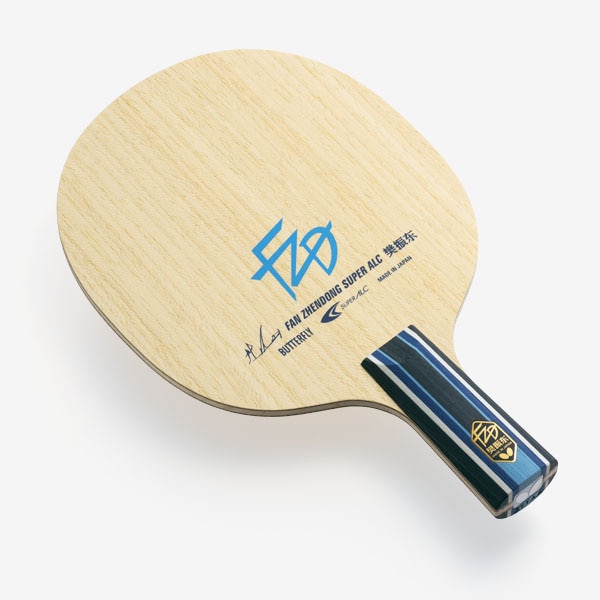
Butterfly Fan Zhendong Super ALC CS
$180–230
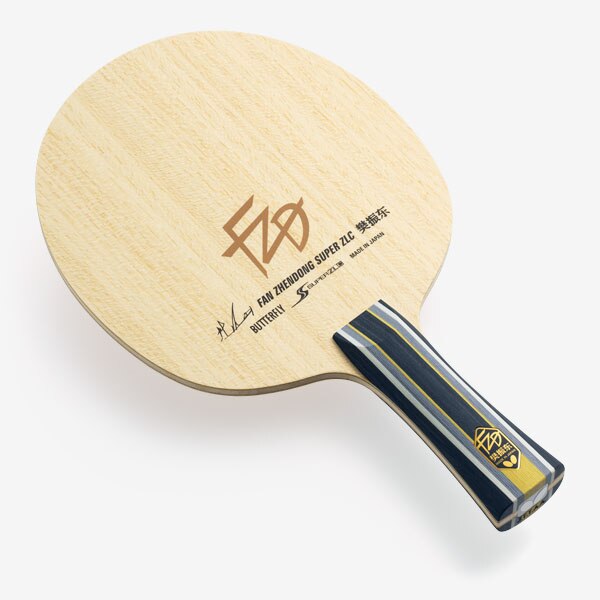
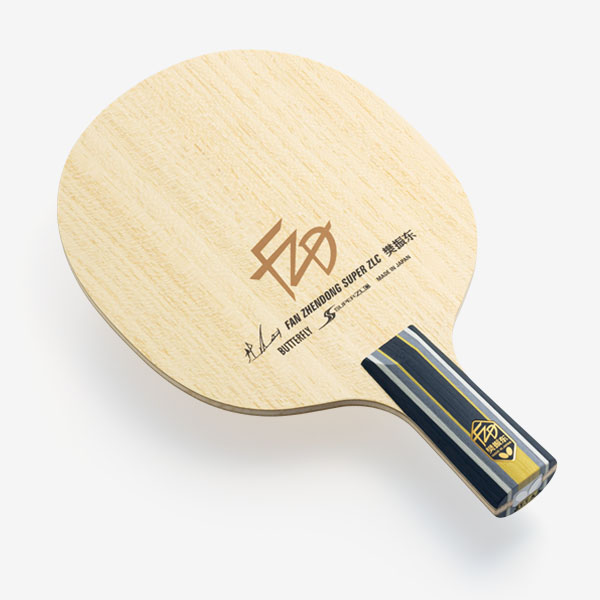
Butterfly Fan Zhendong Super ZLC CS
$220–280
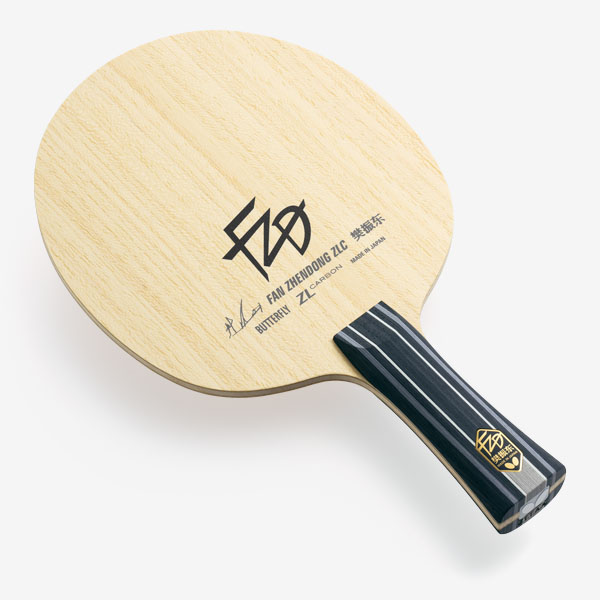
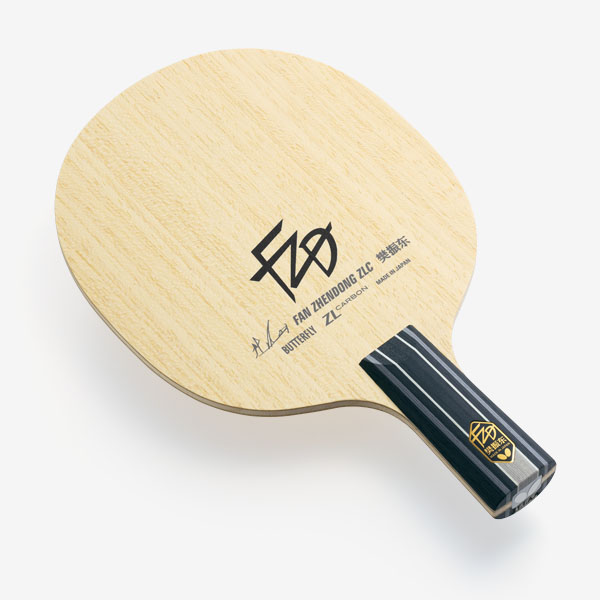
Butterfly Fan Zhendong ZLC CS
$150–200

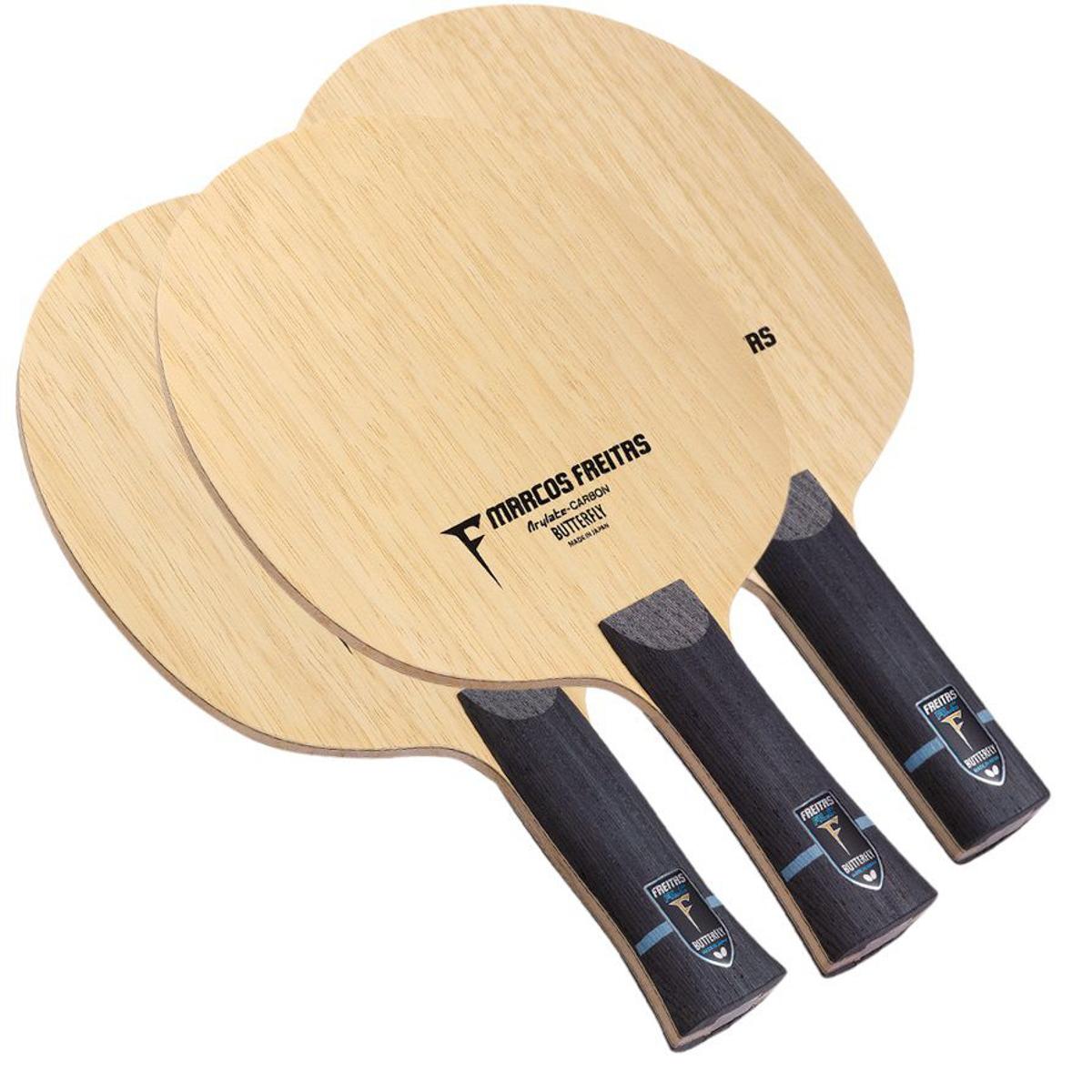
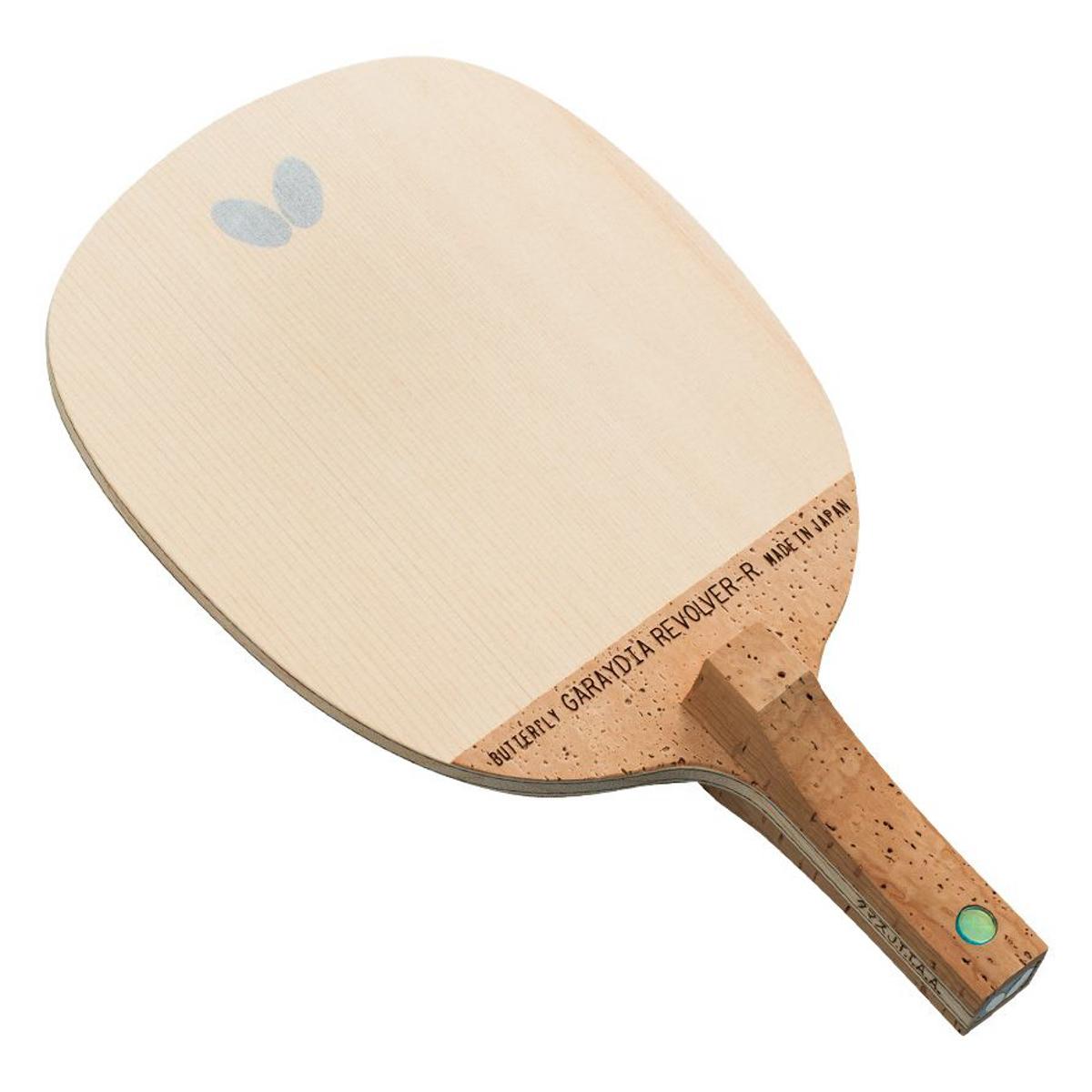
Butterfly Garaydia Revolver-R
$120–160
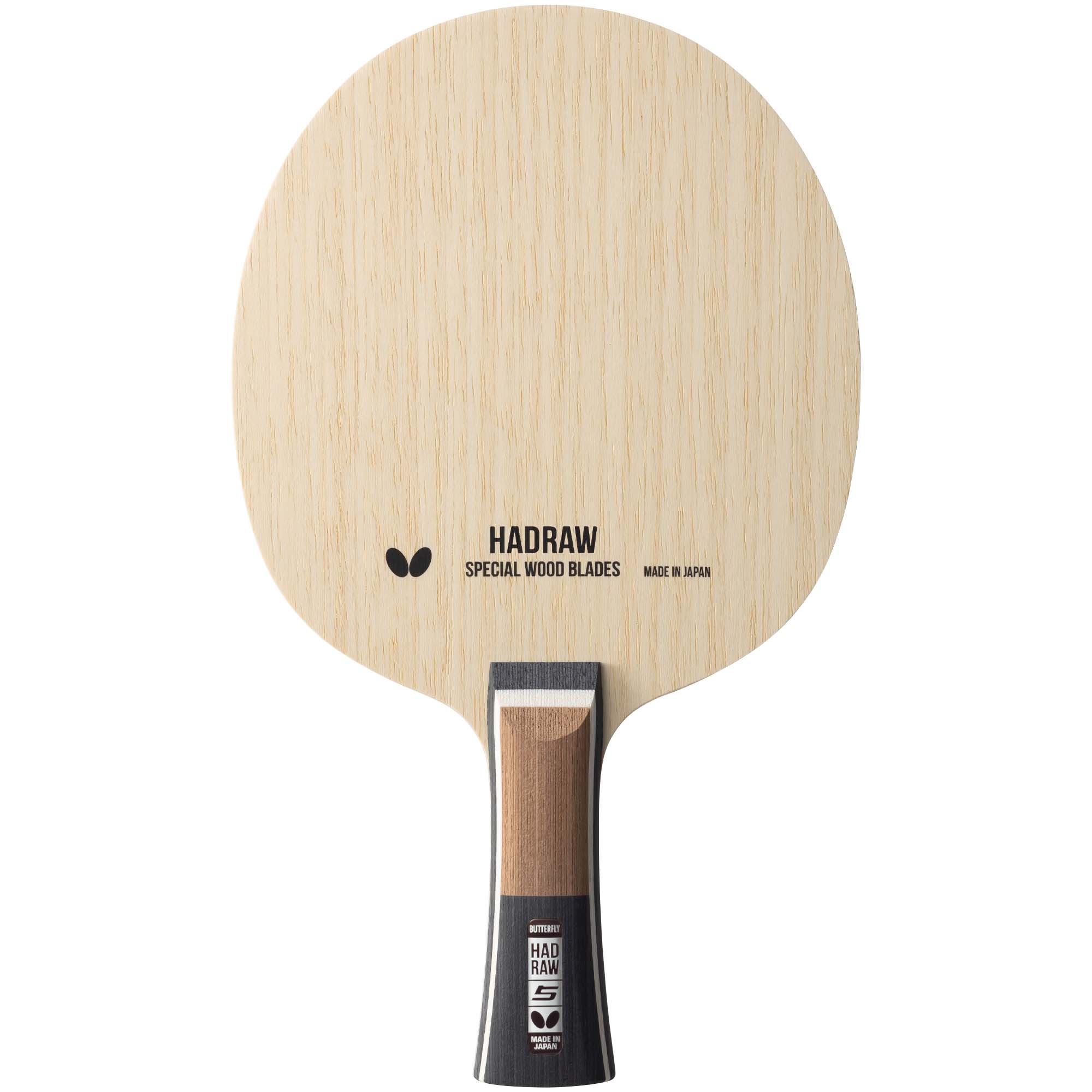
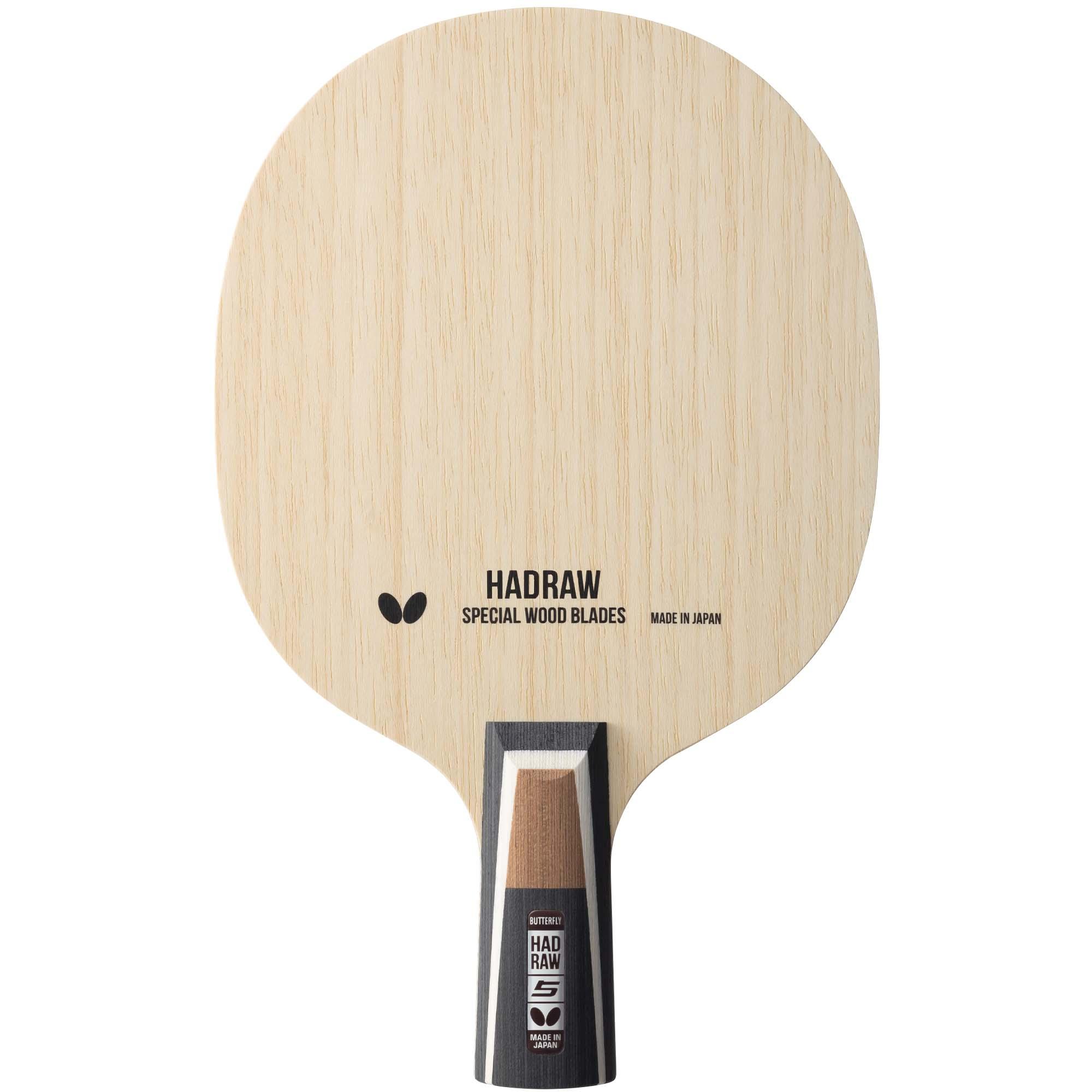
Butterfly Hadraw 5 CS
$80–100
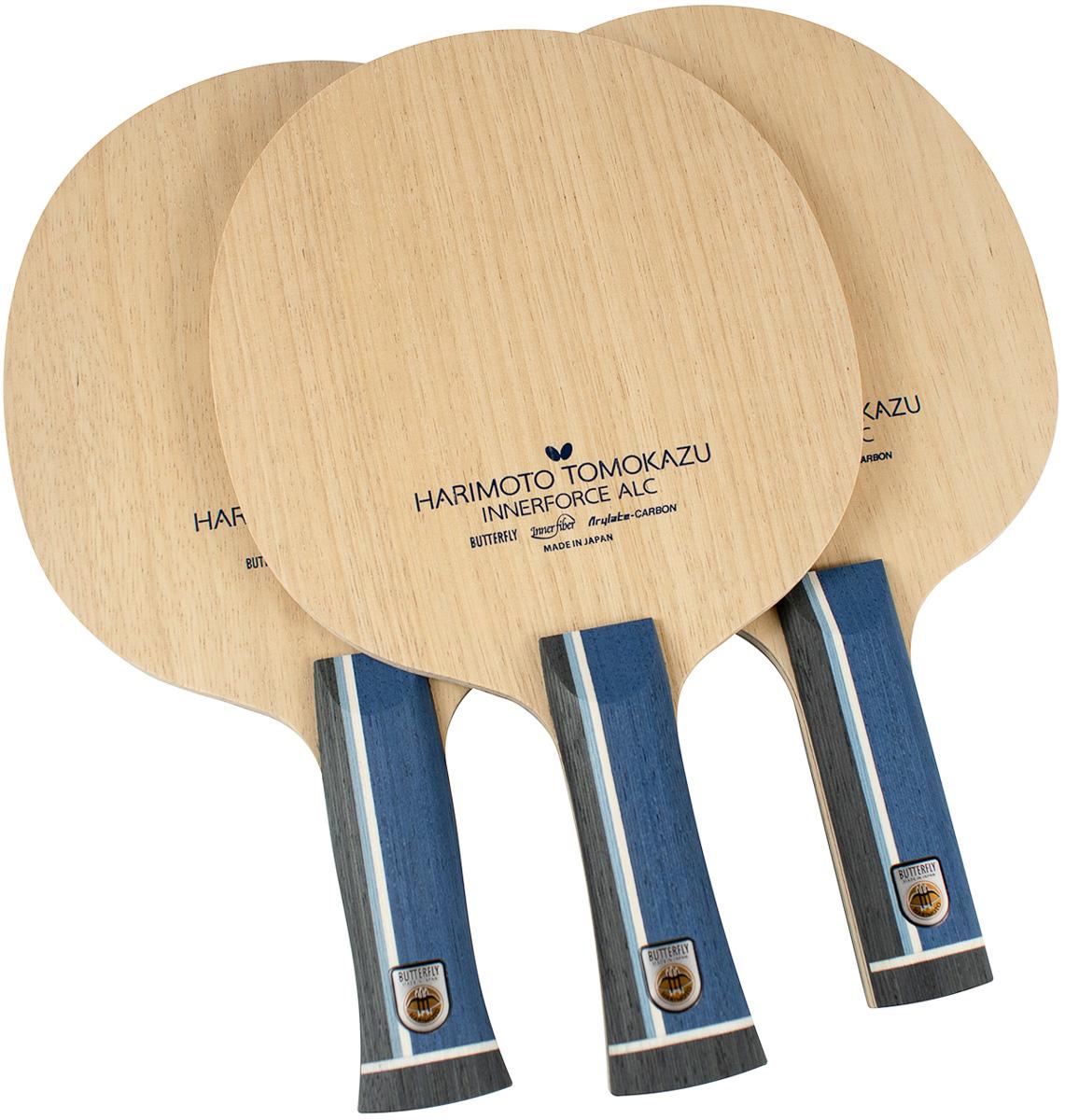
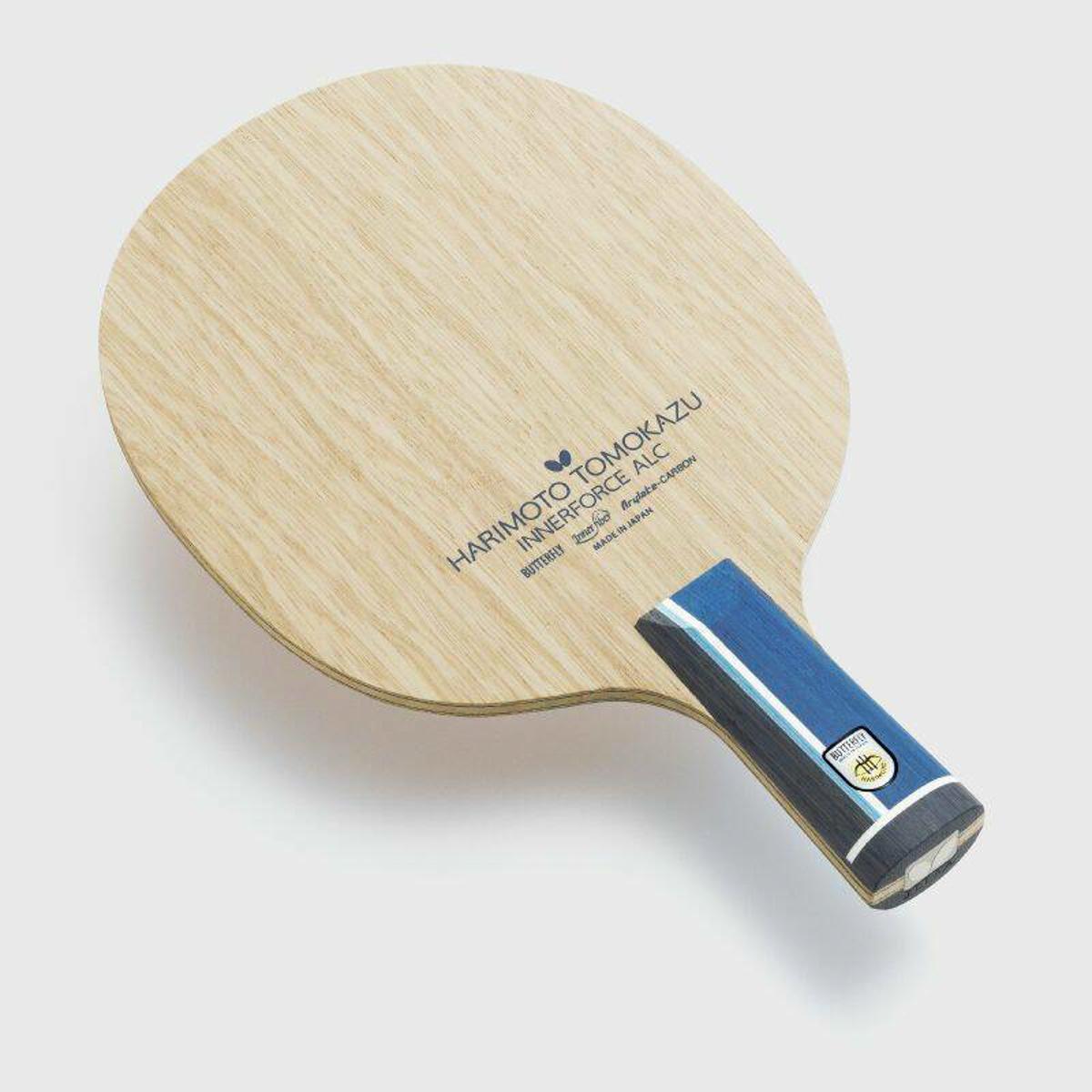
Butterfly Harimoto Innerforce ALC CS
$120–160
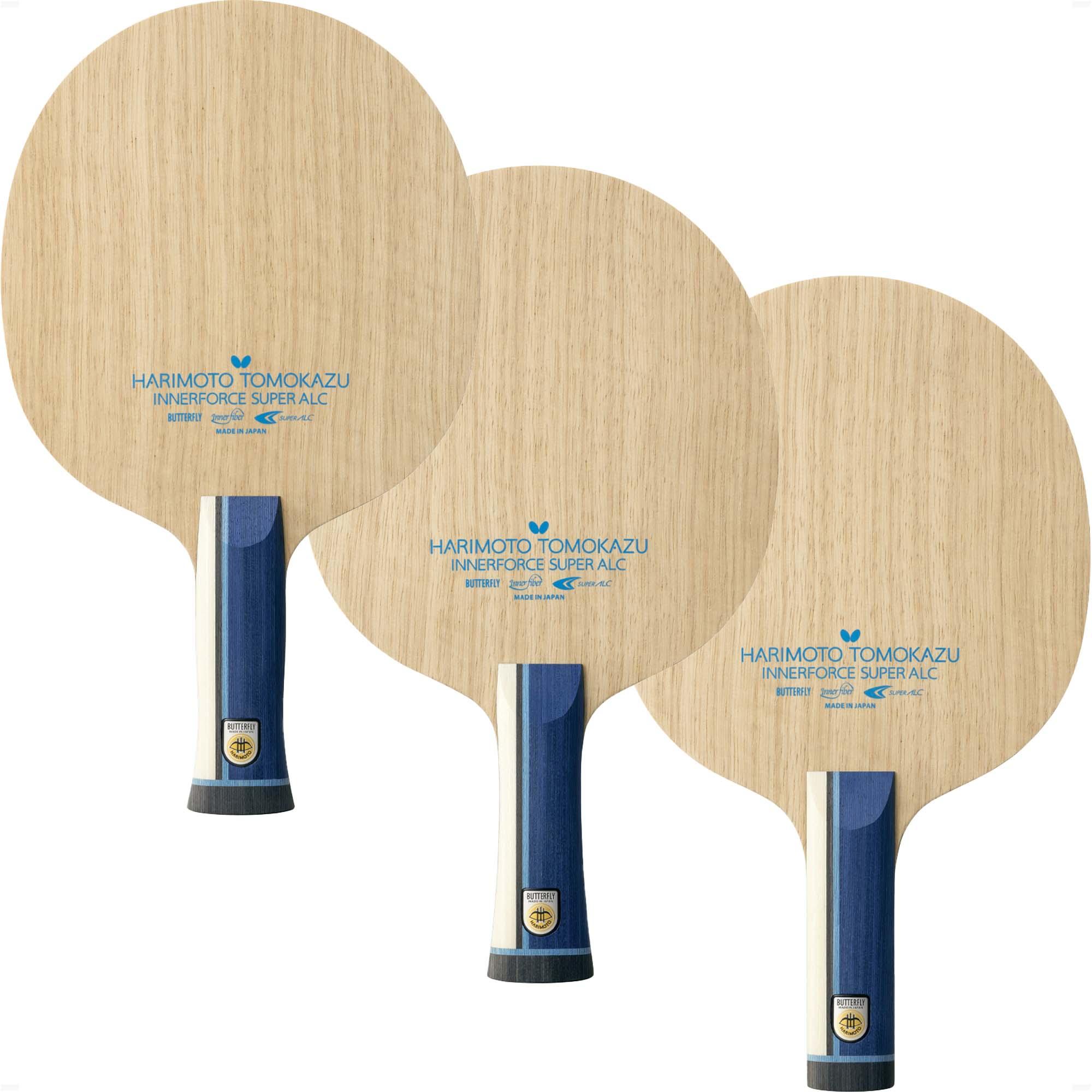
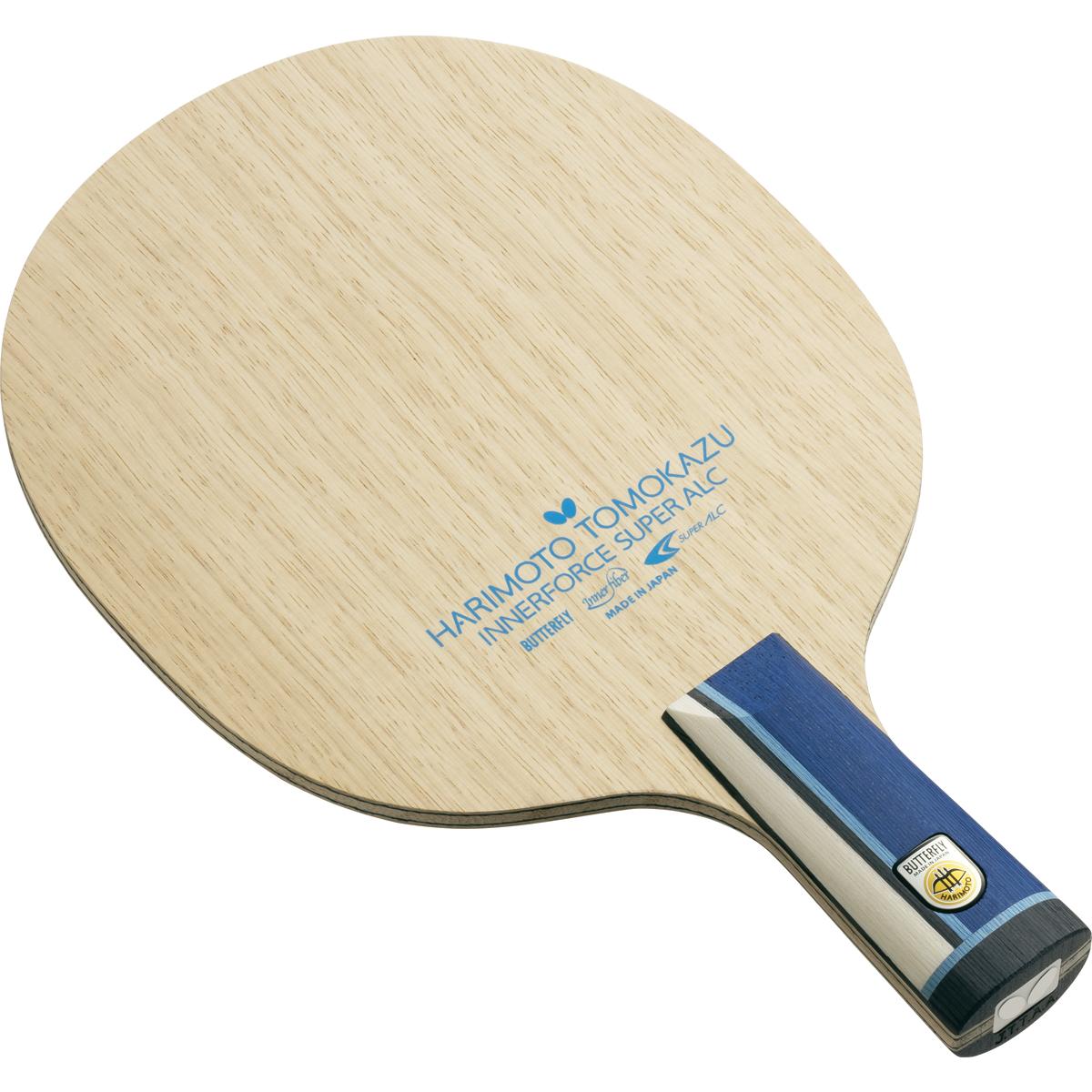
Butterfly Harimoto Innerforce Super ALC CS
$180–230
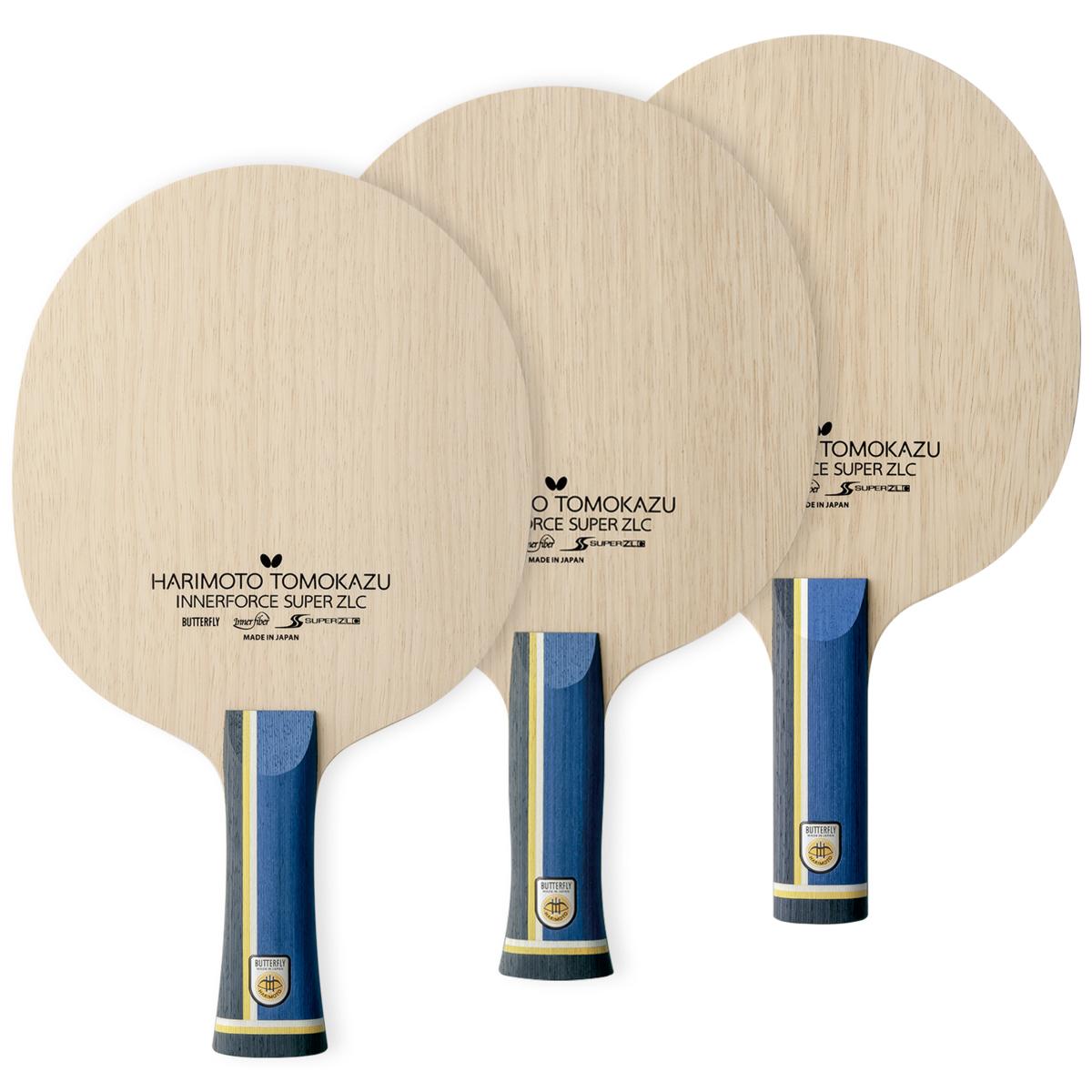
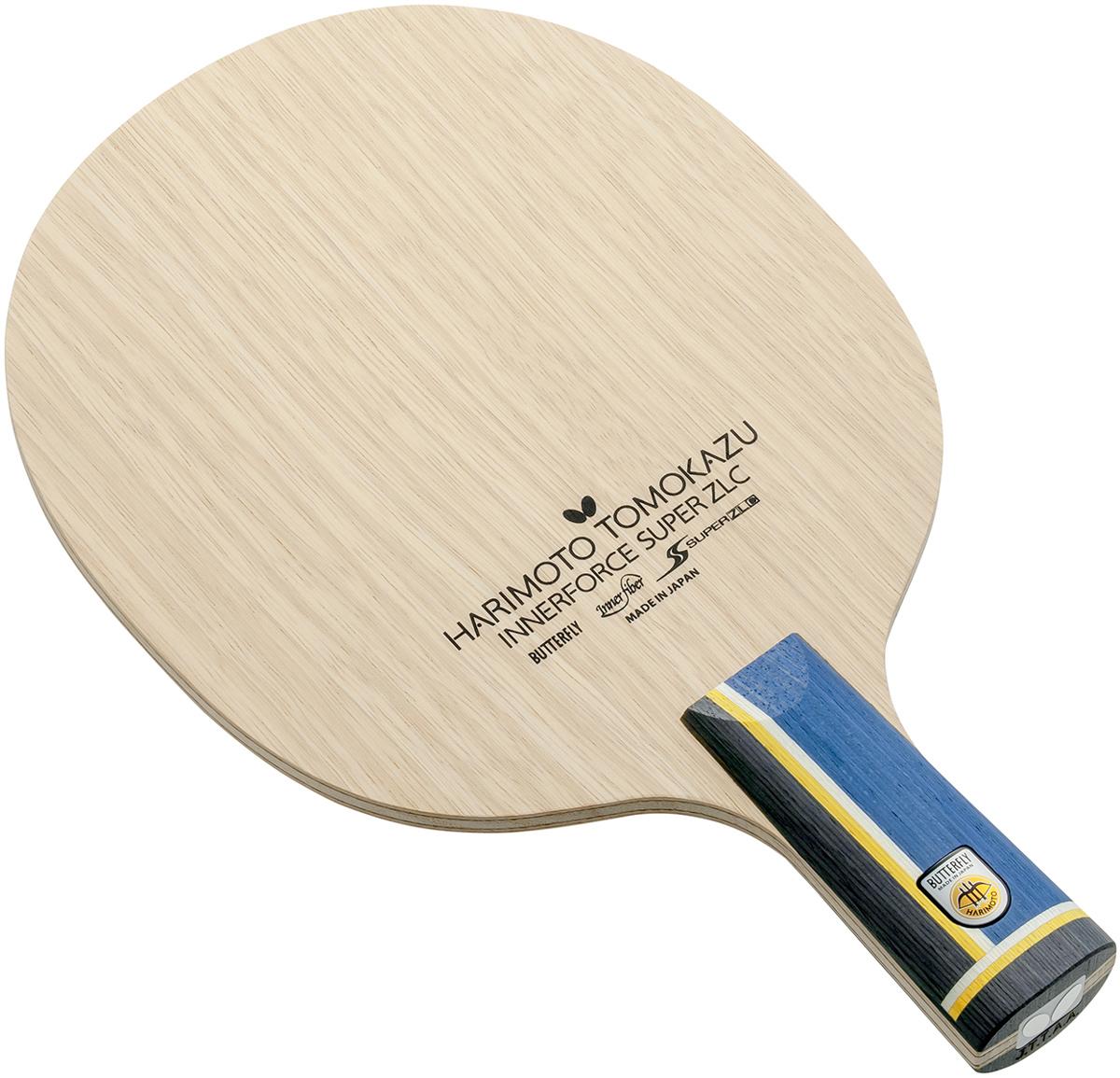
Butterfly Harimoto Innerforce Super ZLC CS
$220–280
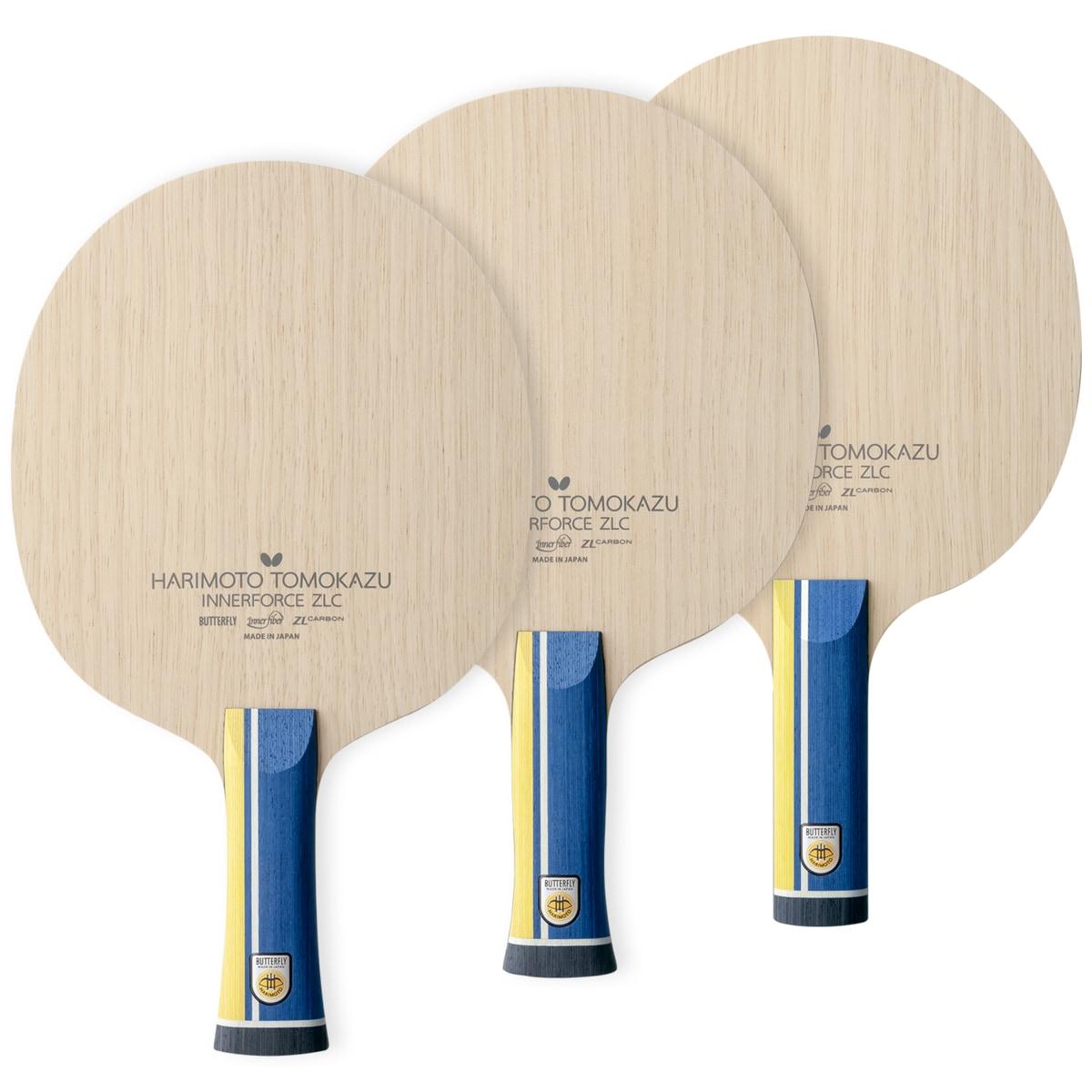
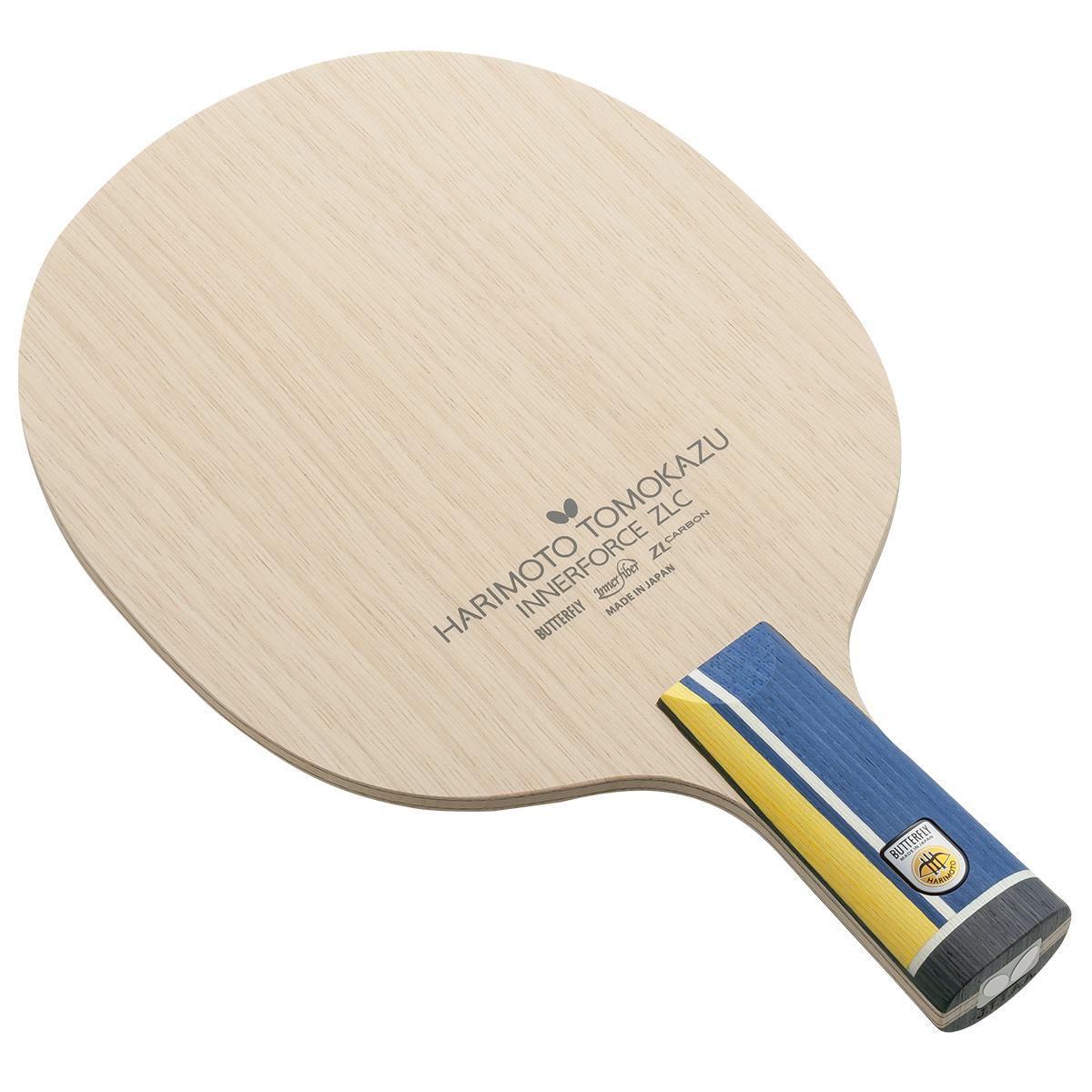
Butterfly Harimoto Innerforce ZLC CS
$150–200
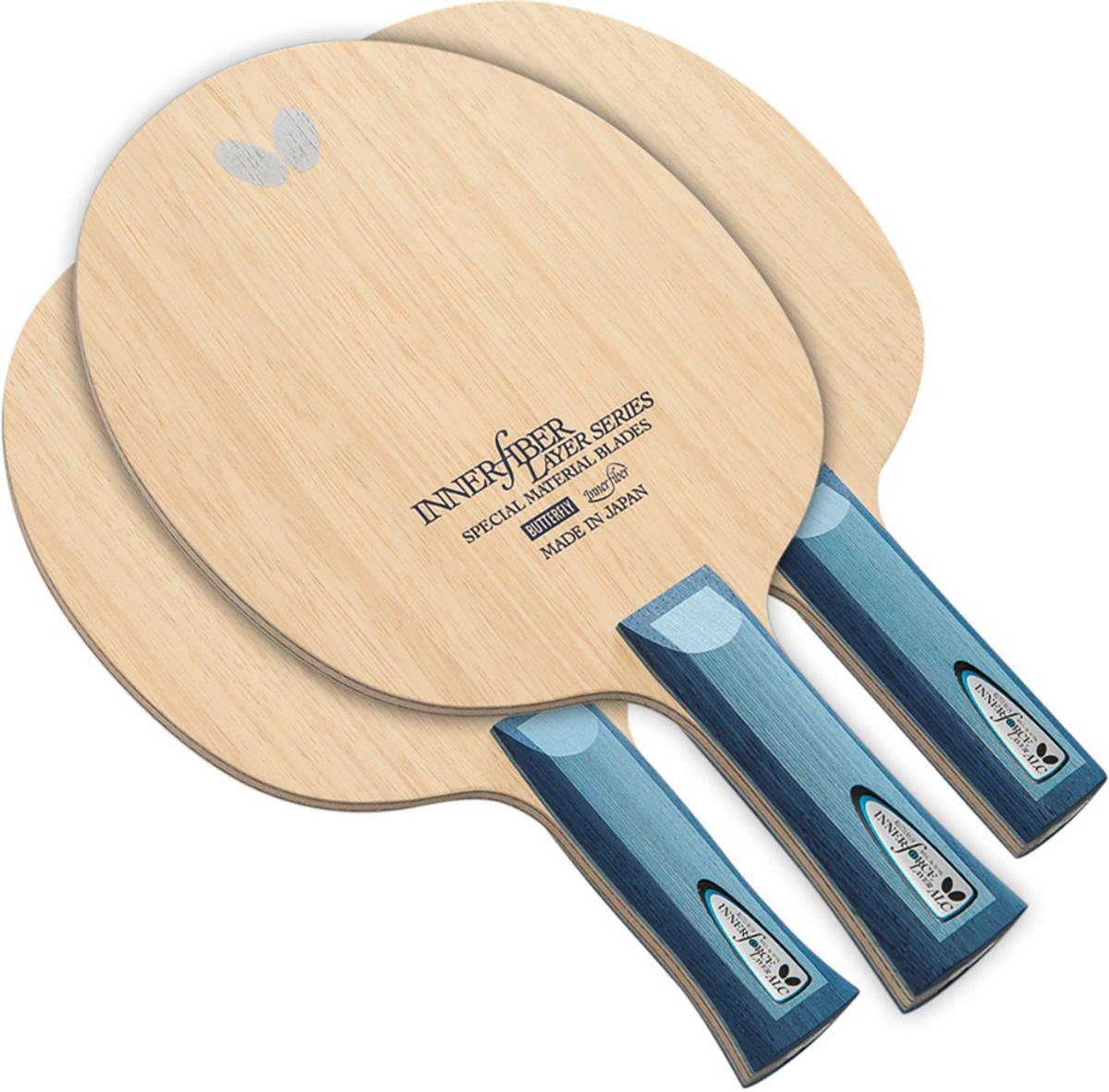
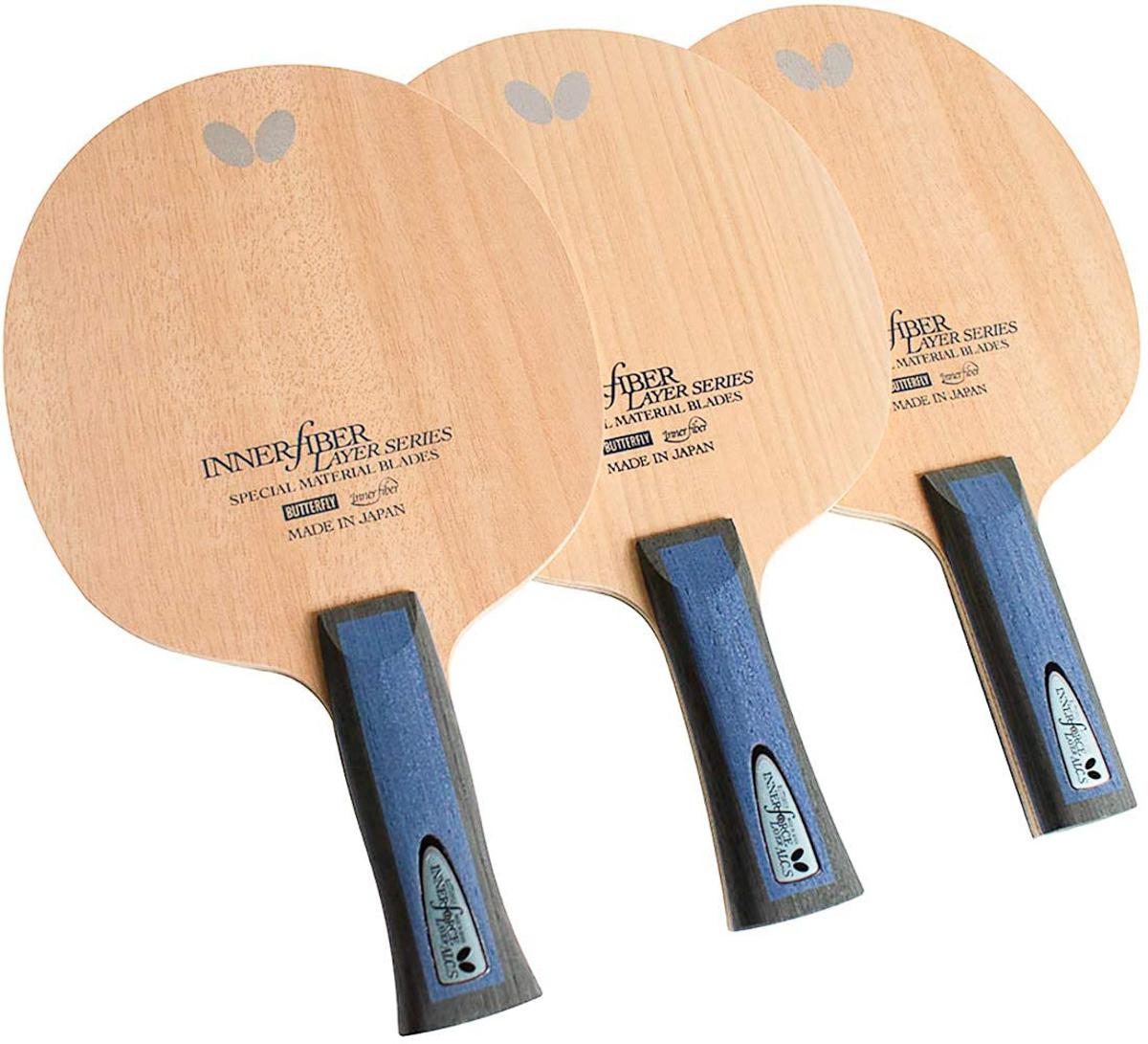
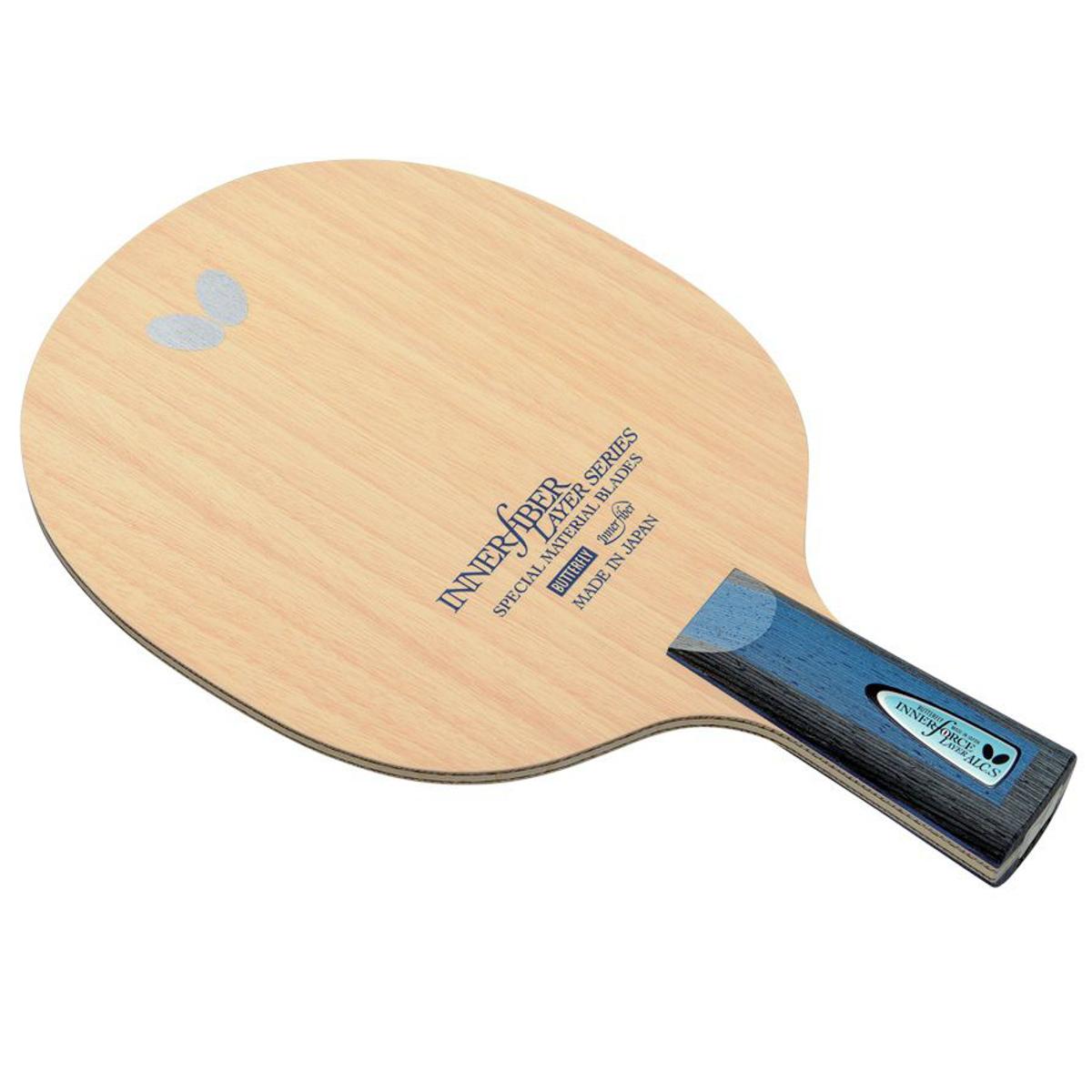
Butterfly Innerforce Layer ALC.S CS
$120–160
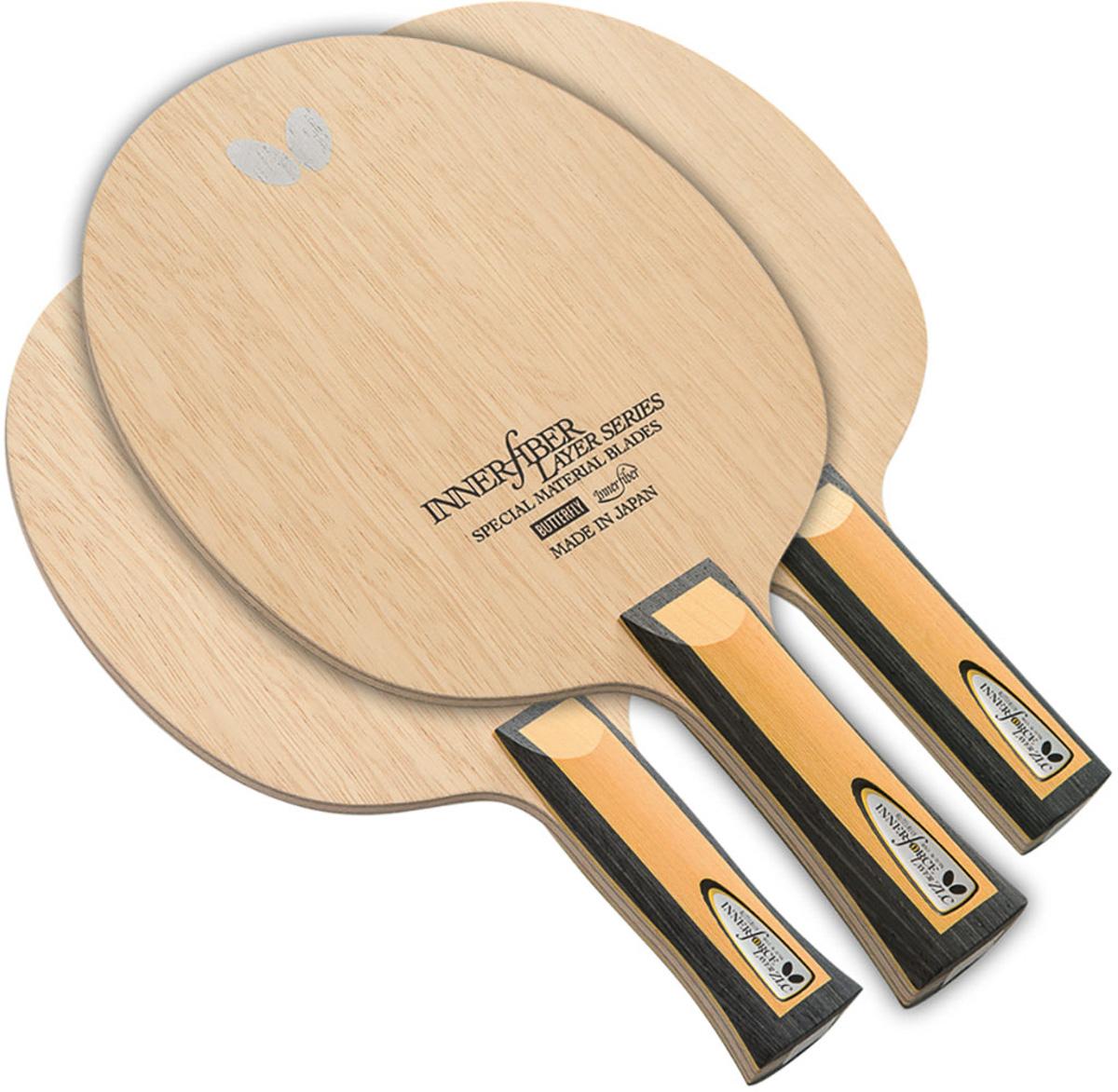
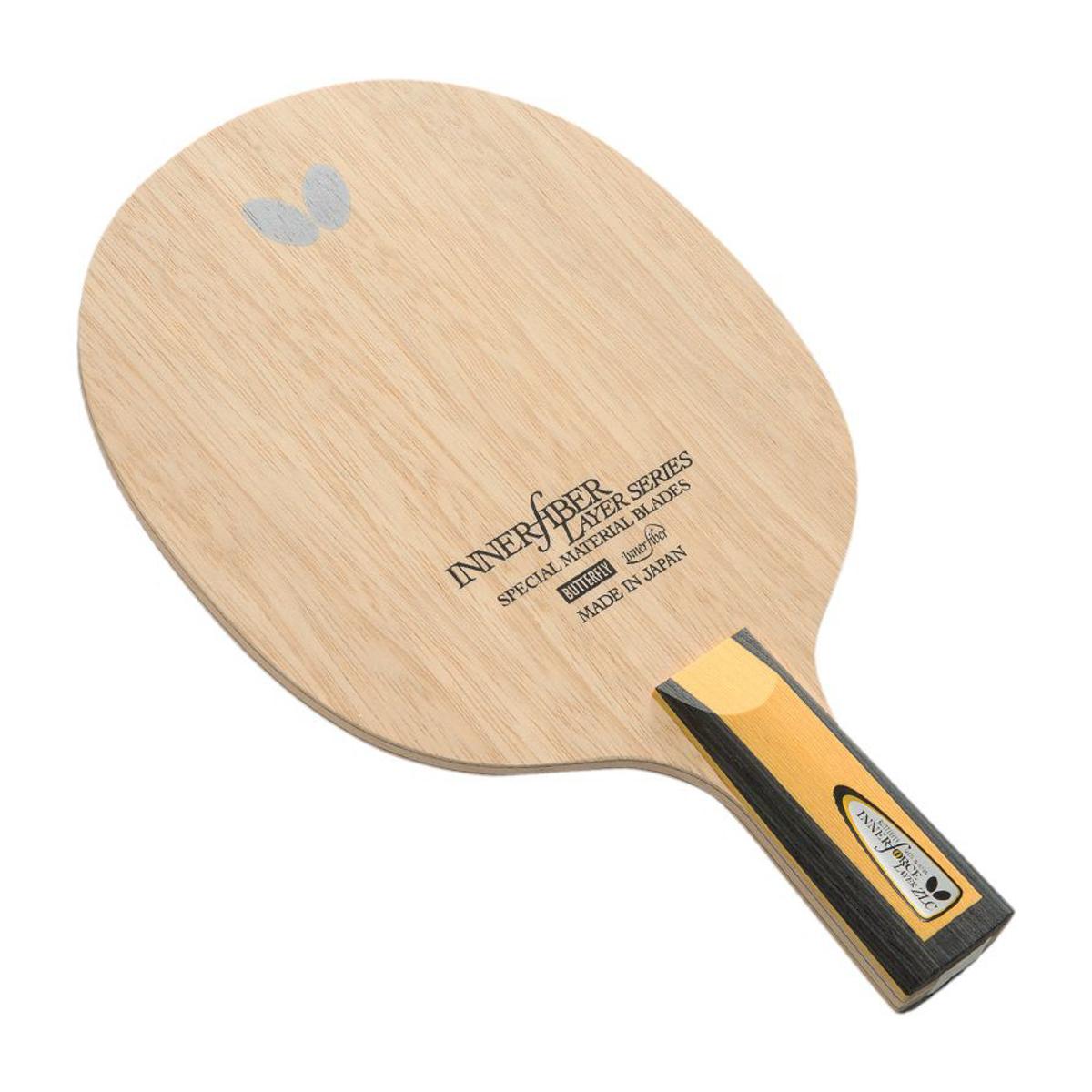
Butterfly Innerforce Layer ZLC CS
$150–200
Butterfly Innerforce Layer ZLF CS
$120–160
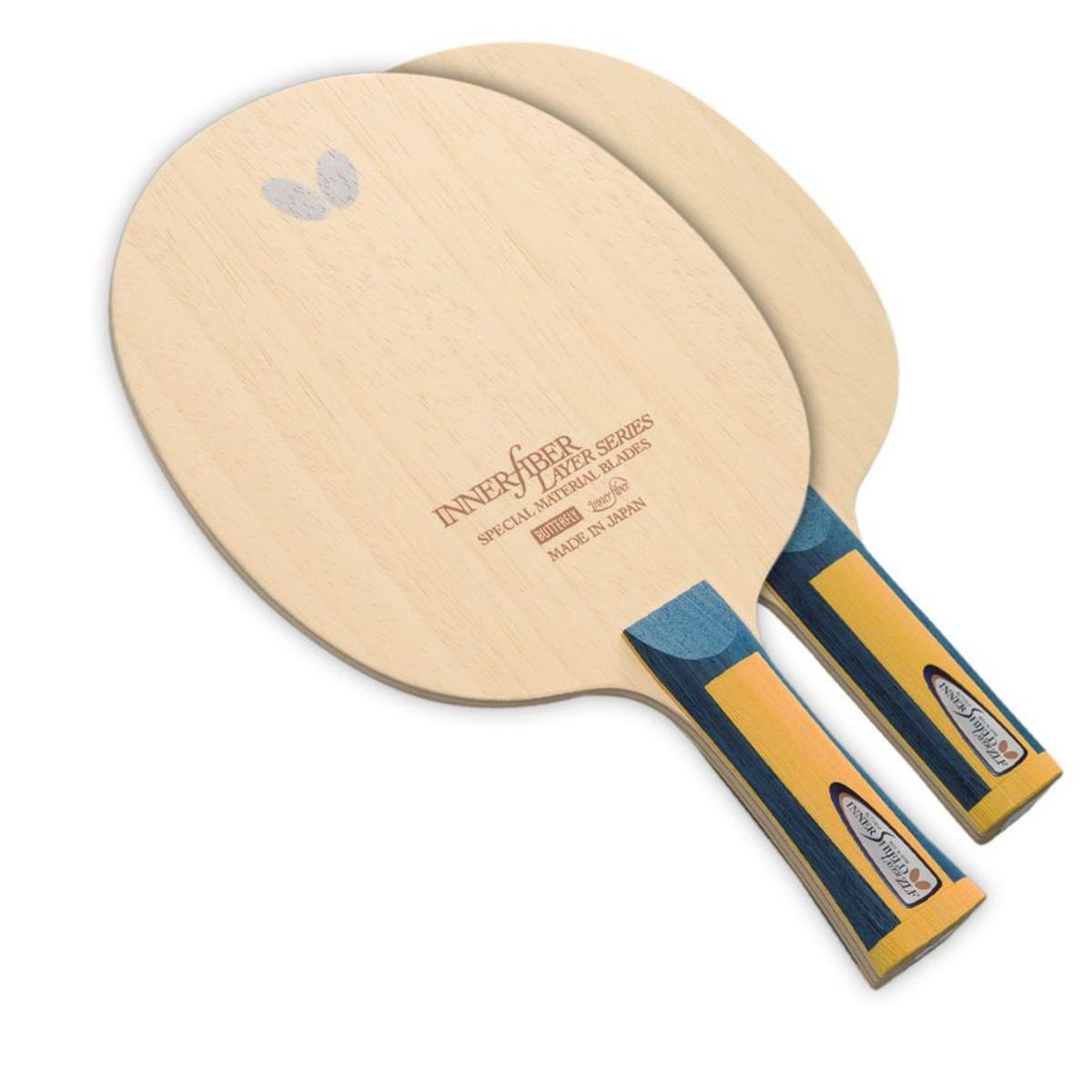
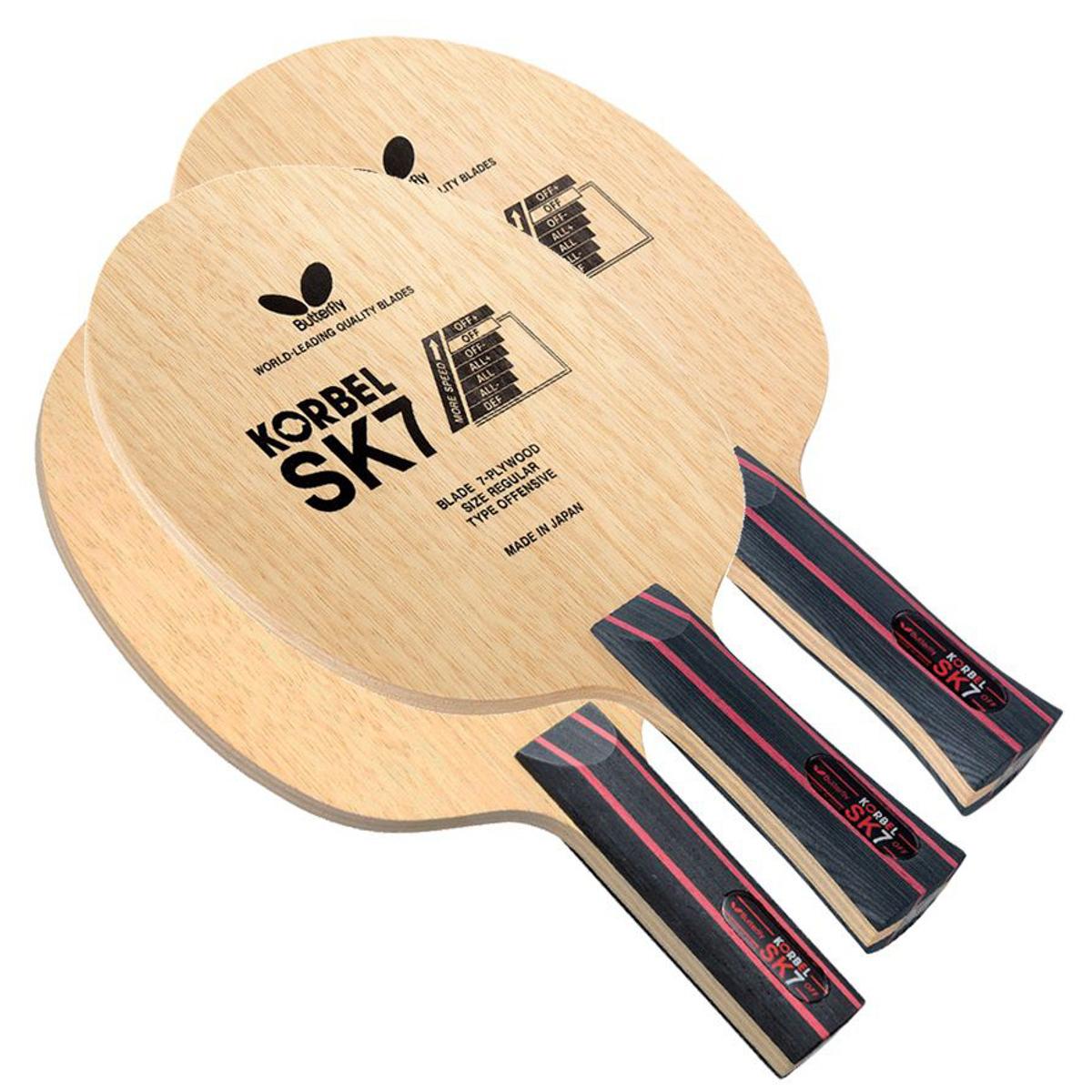
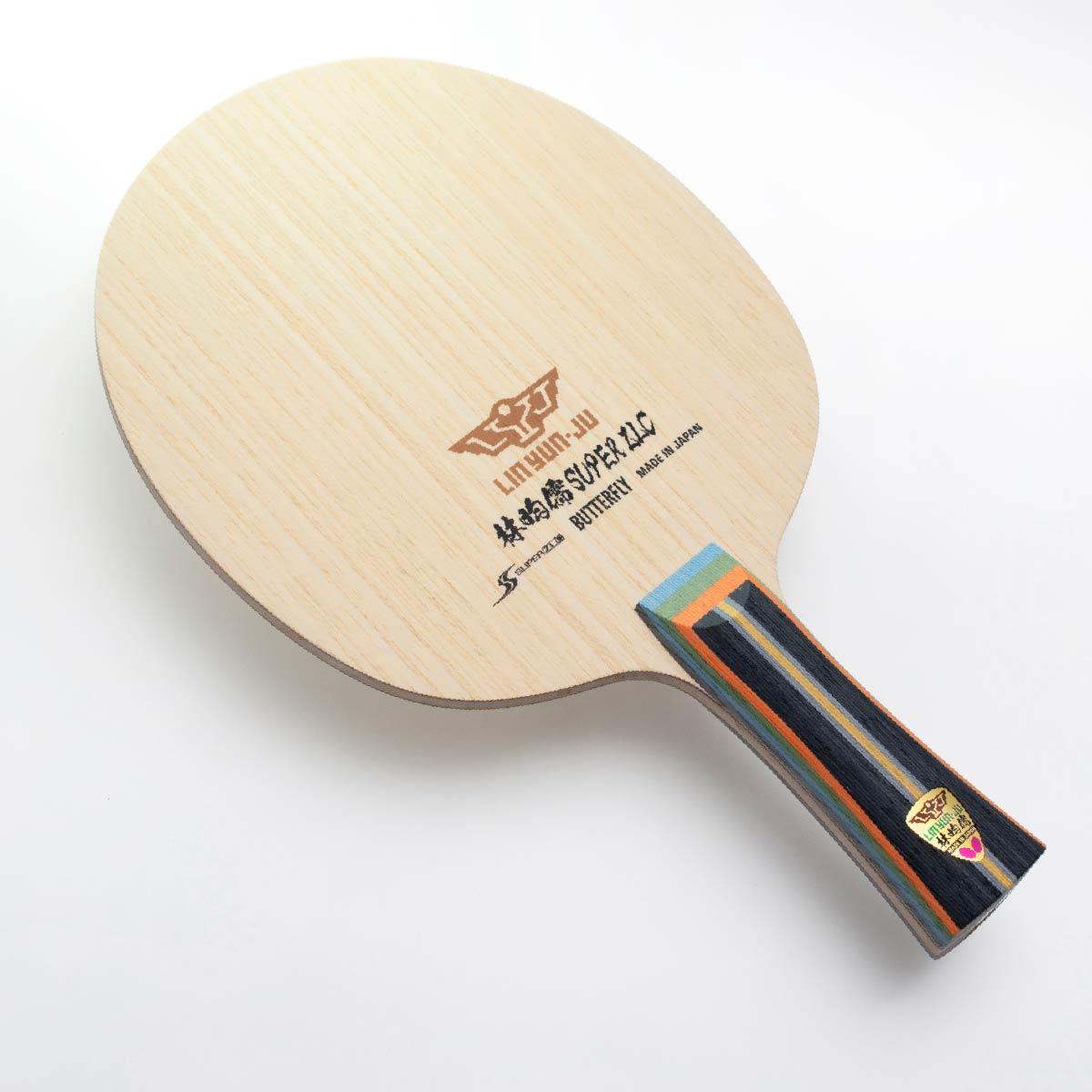

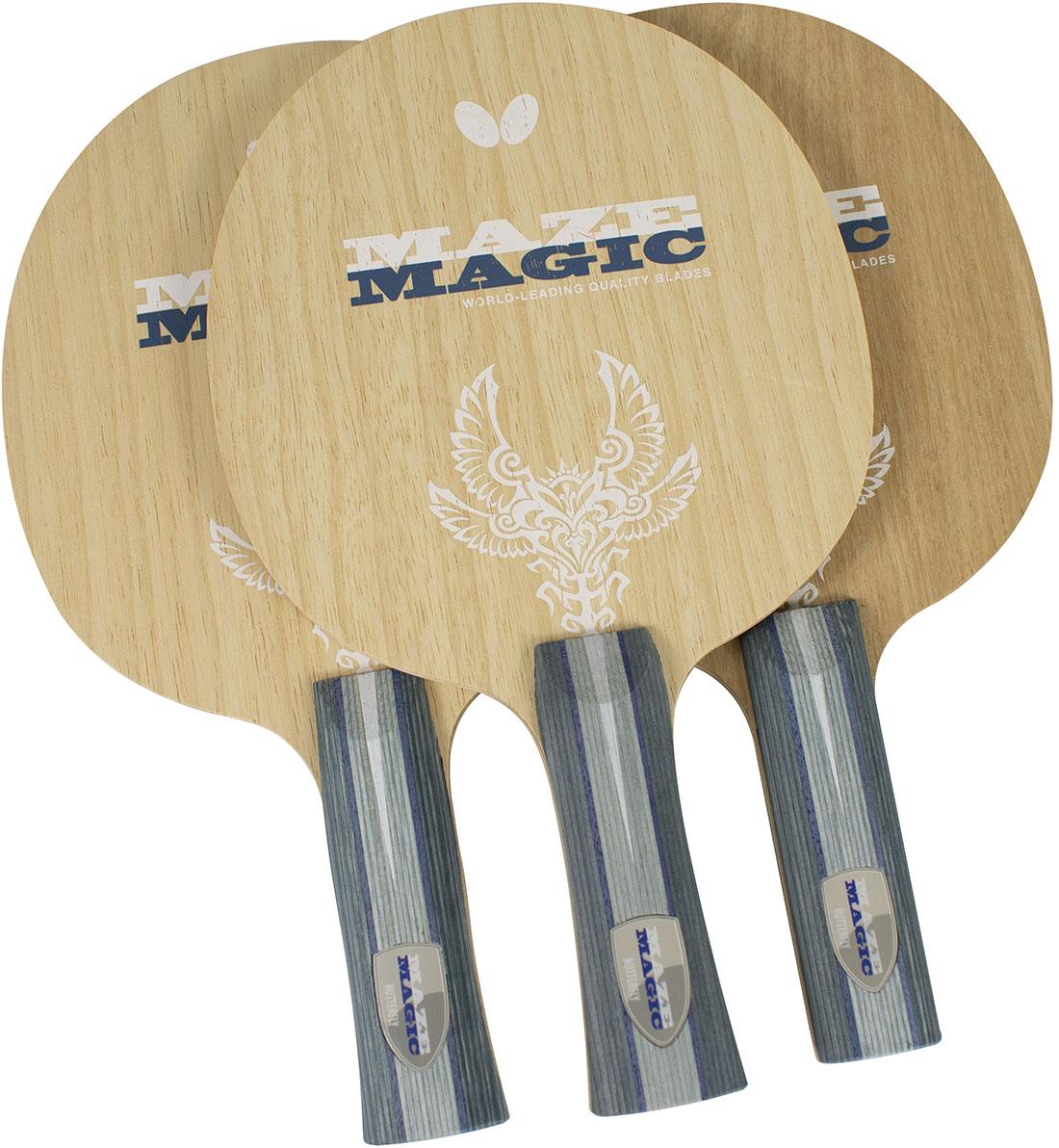
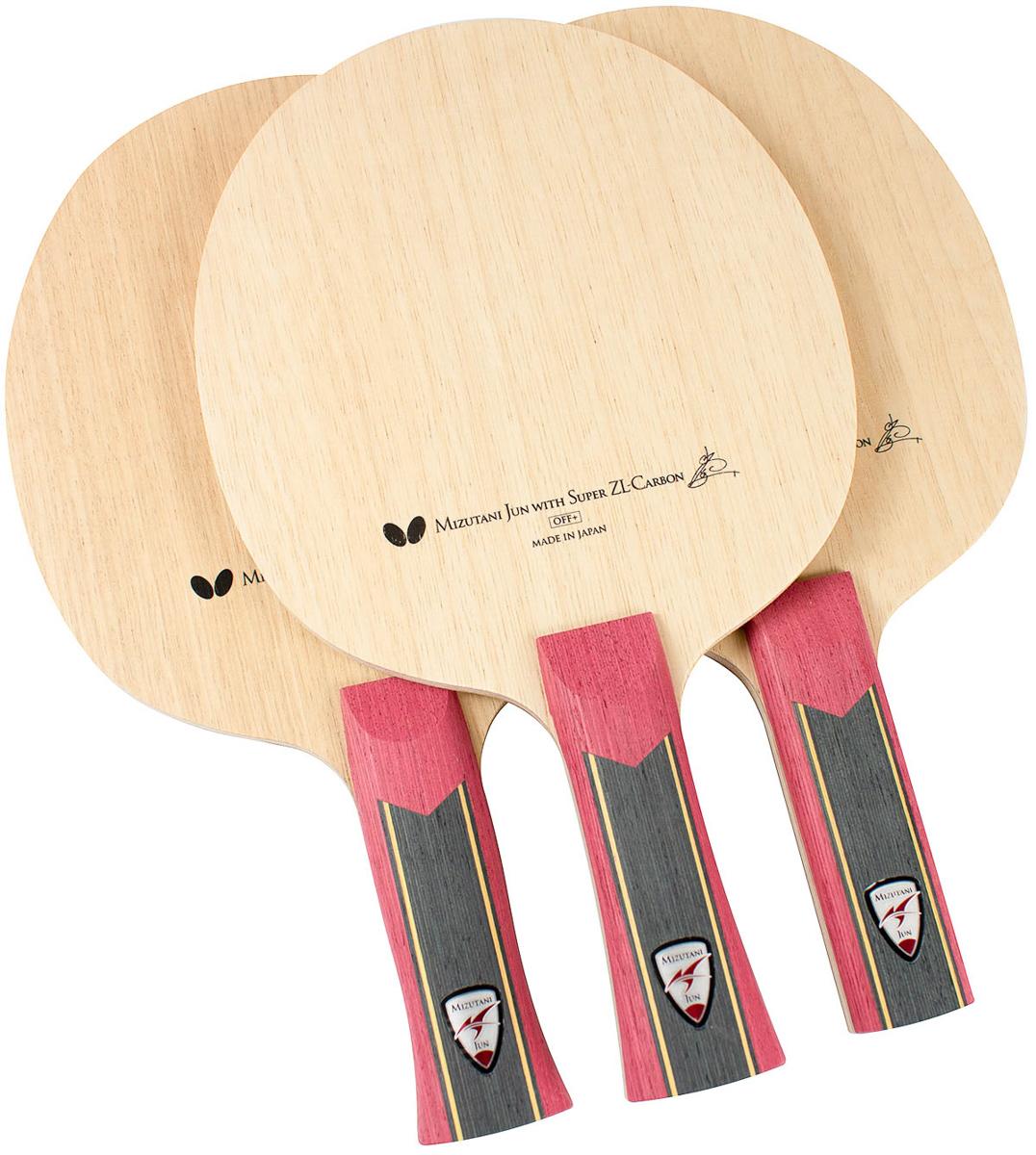
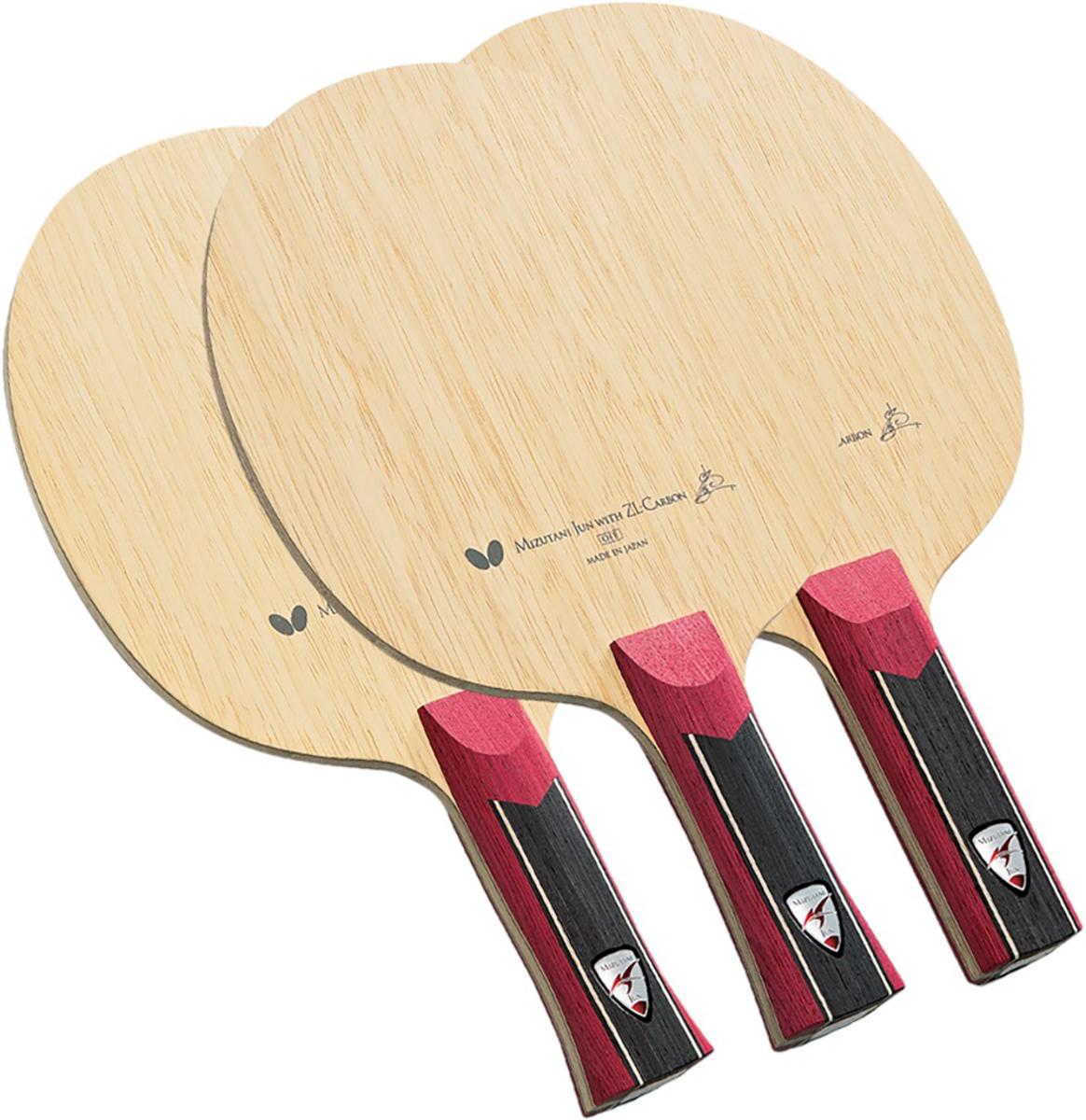
Butterfly Omar Assar Innerforce ZLC
$150–200
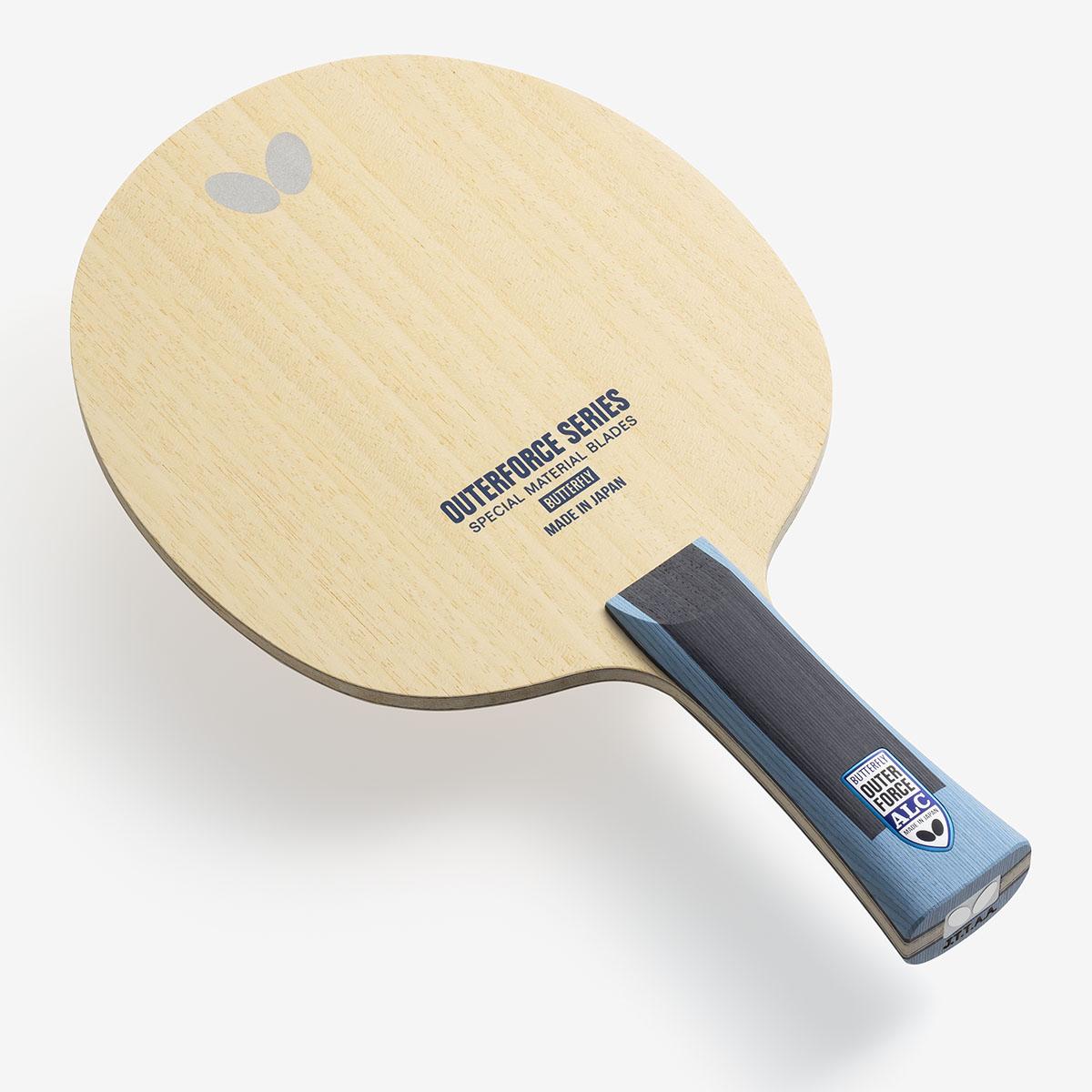
Butterfly Outerforce ALC CS
$120–160
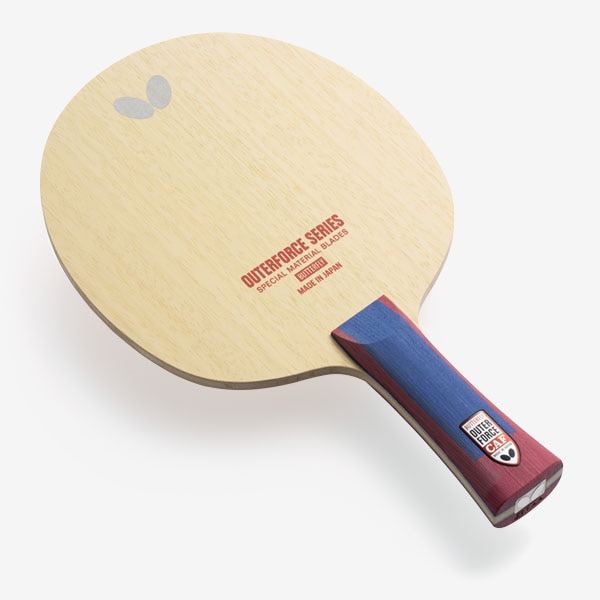
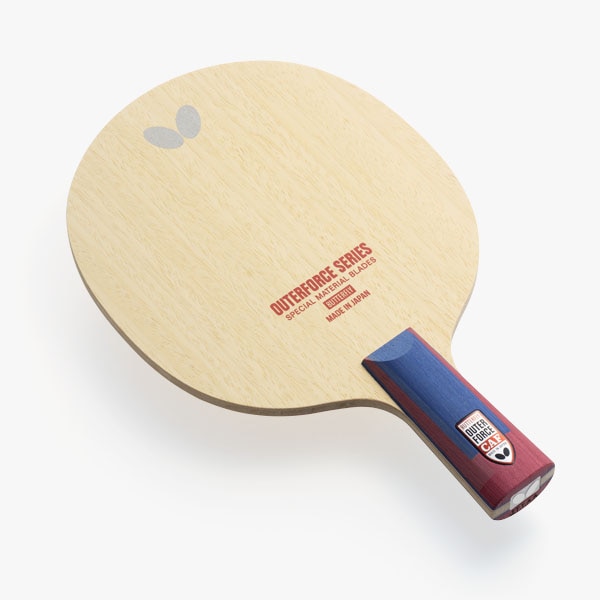
Butterfly Outerforce CAF CS
$120–160
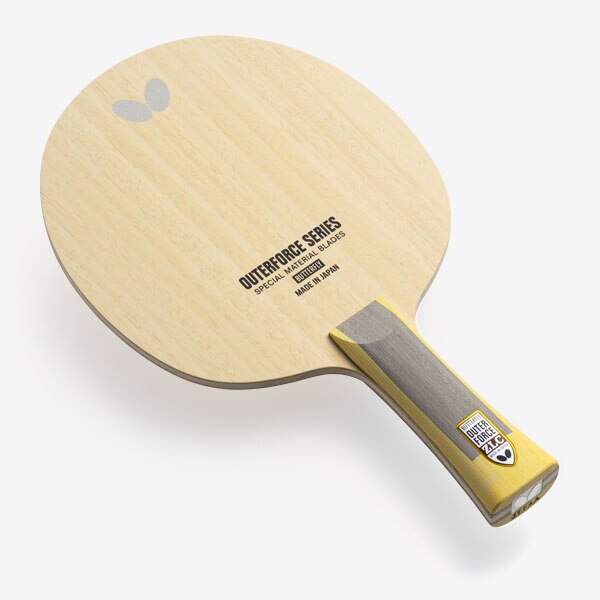
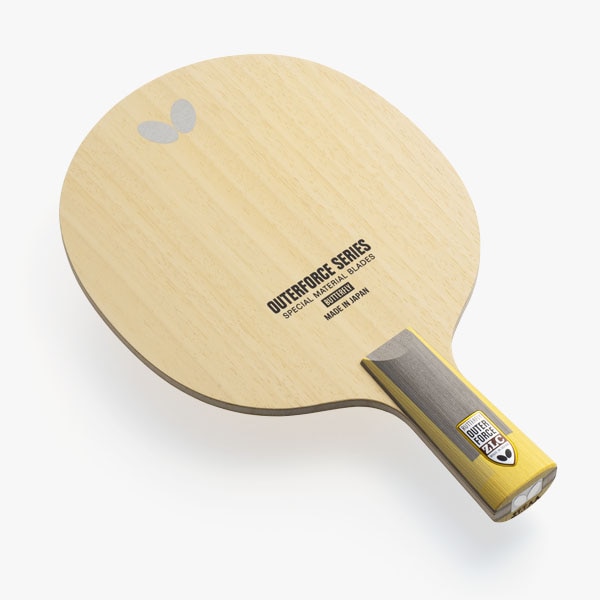
Butterfly Outerforce ZLC CS
$150–200
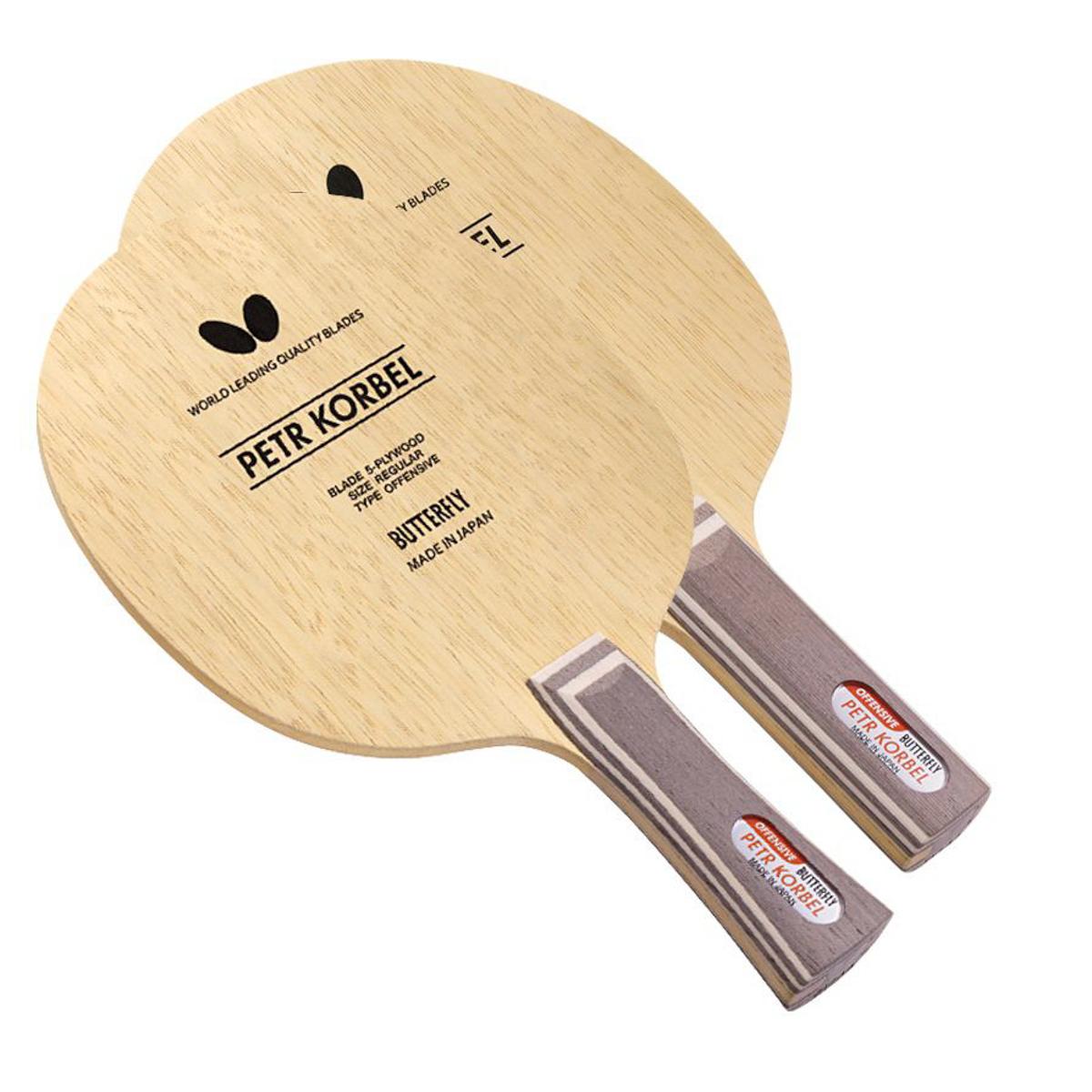
Butterfly Petr Korbel
$80–100
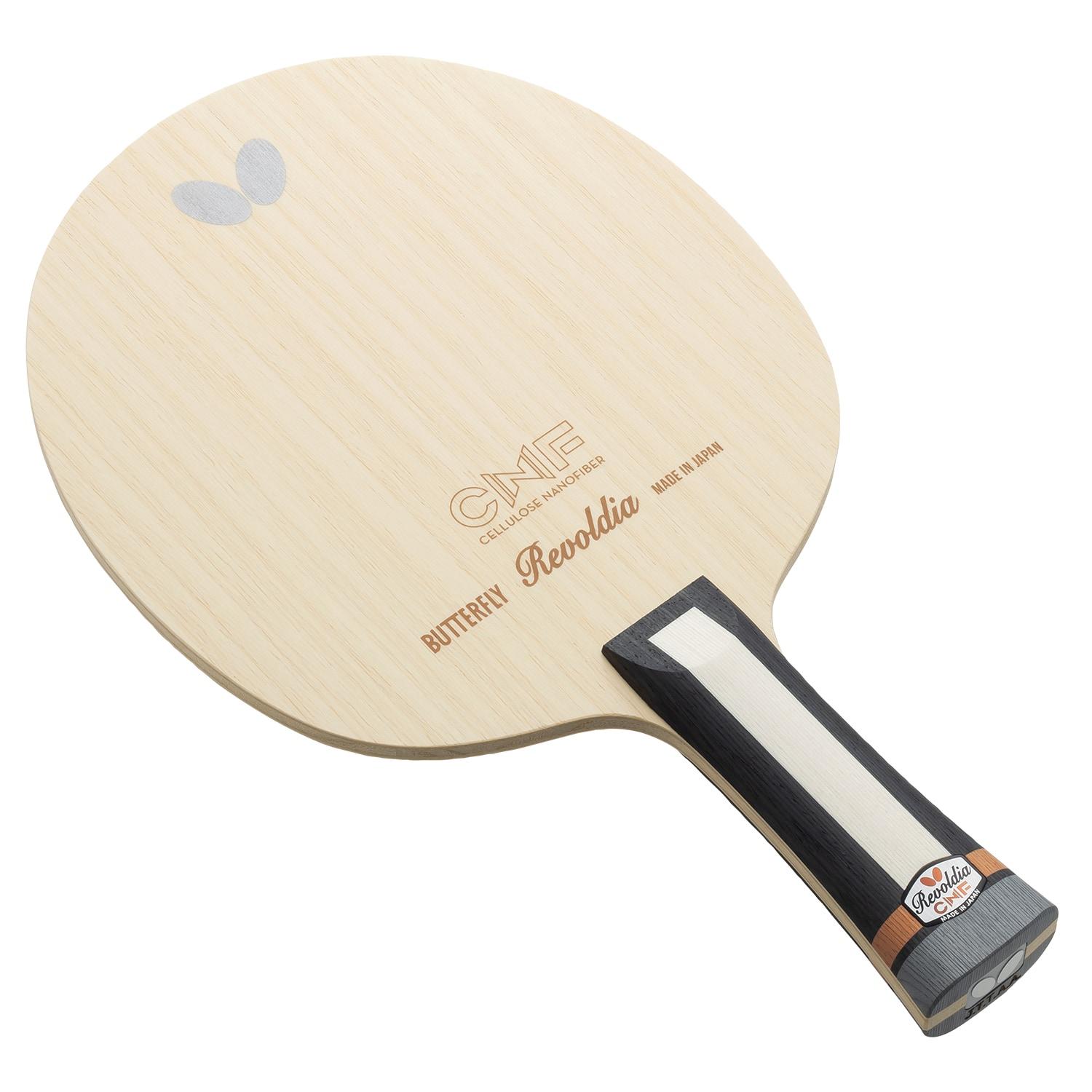
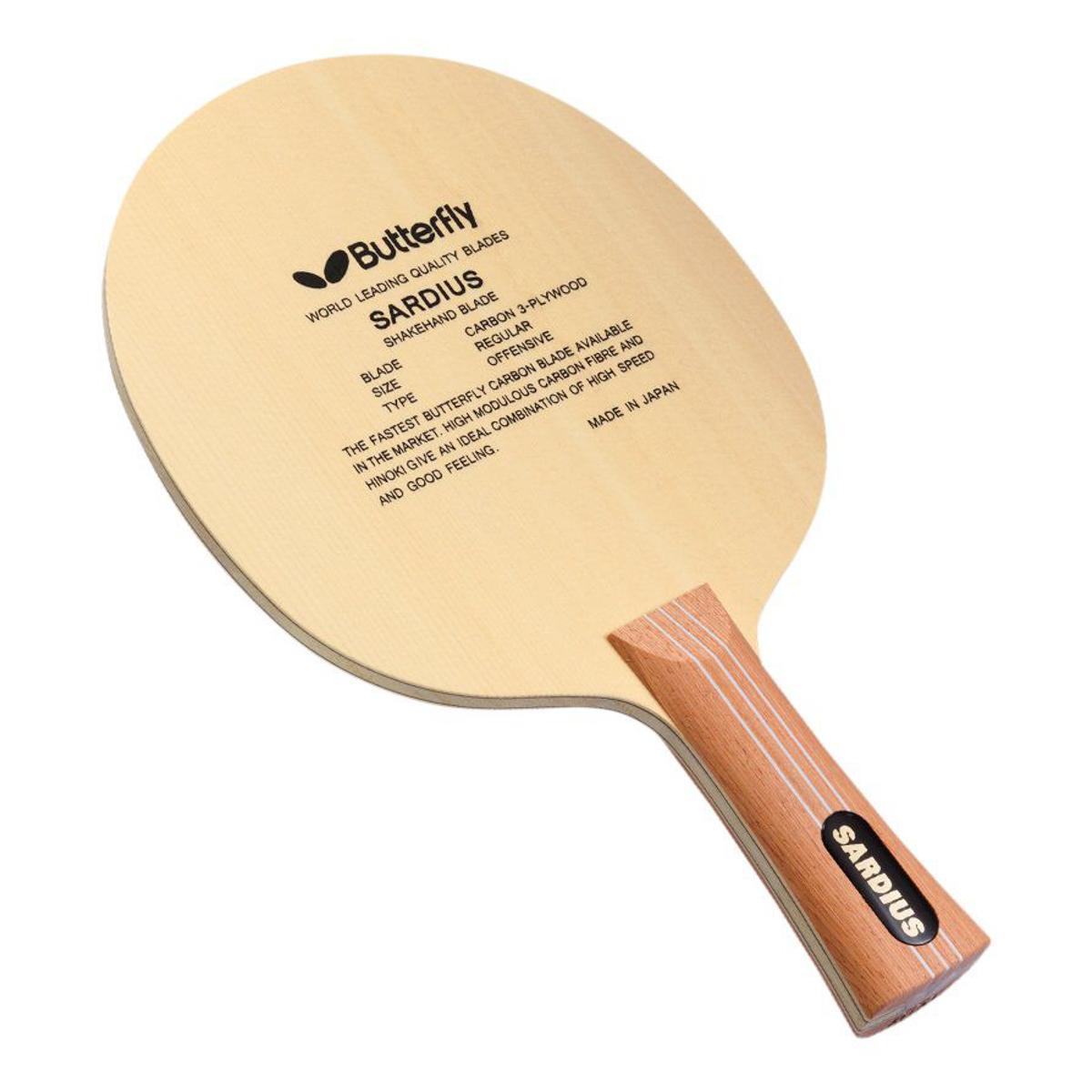
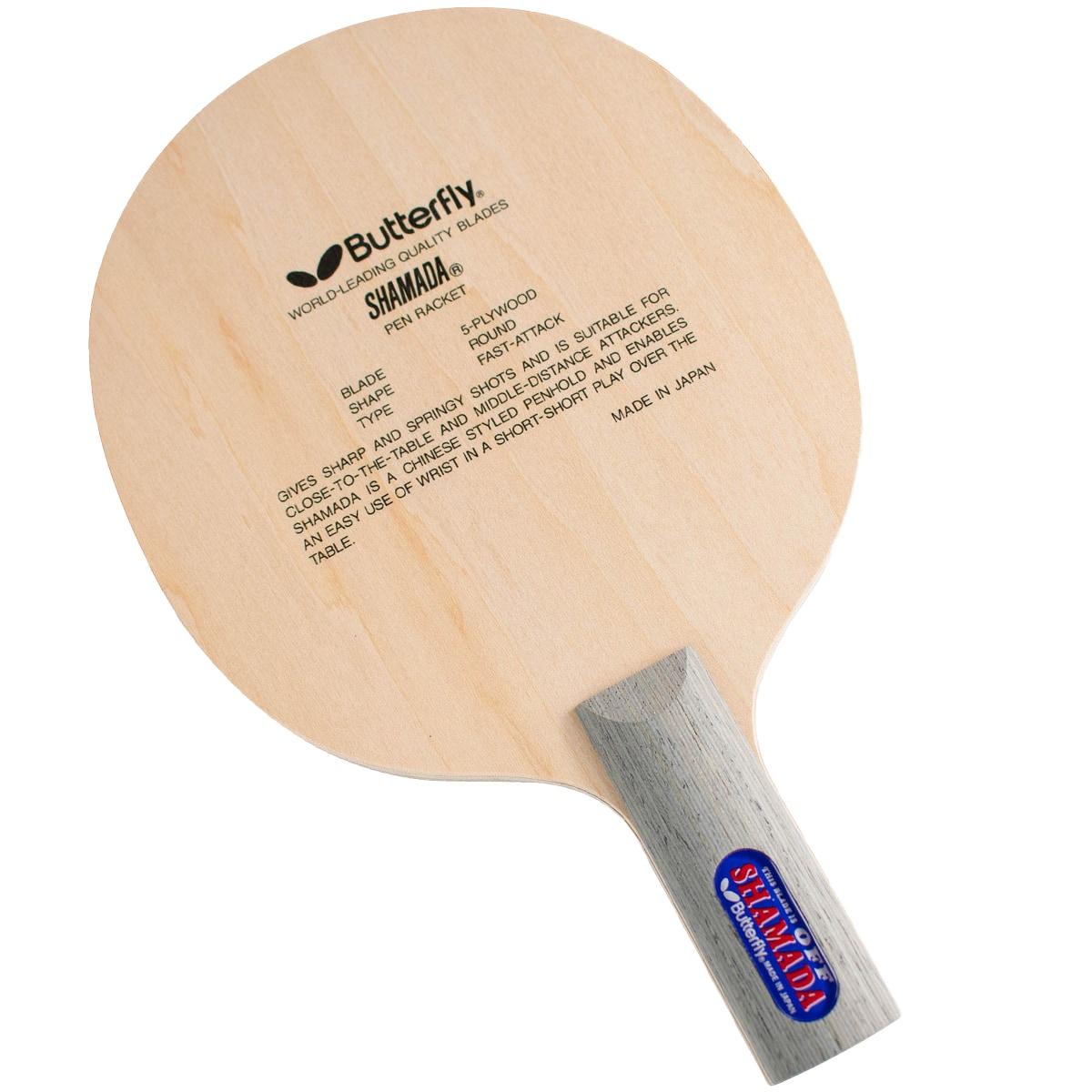
Butterfly Shamada CS
$80–100
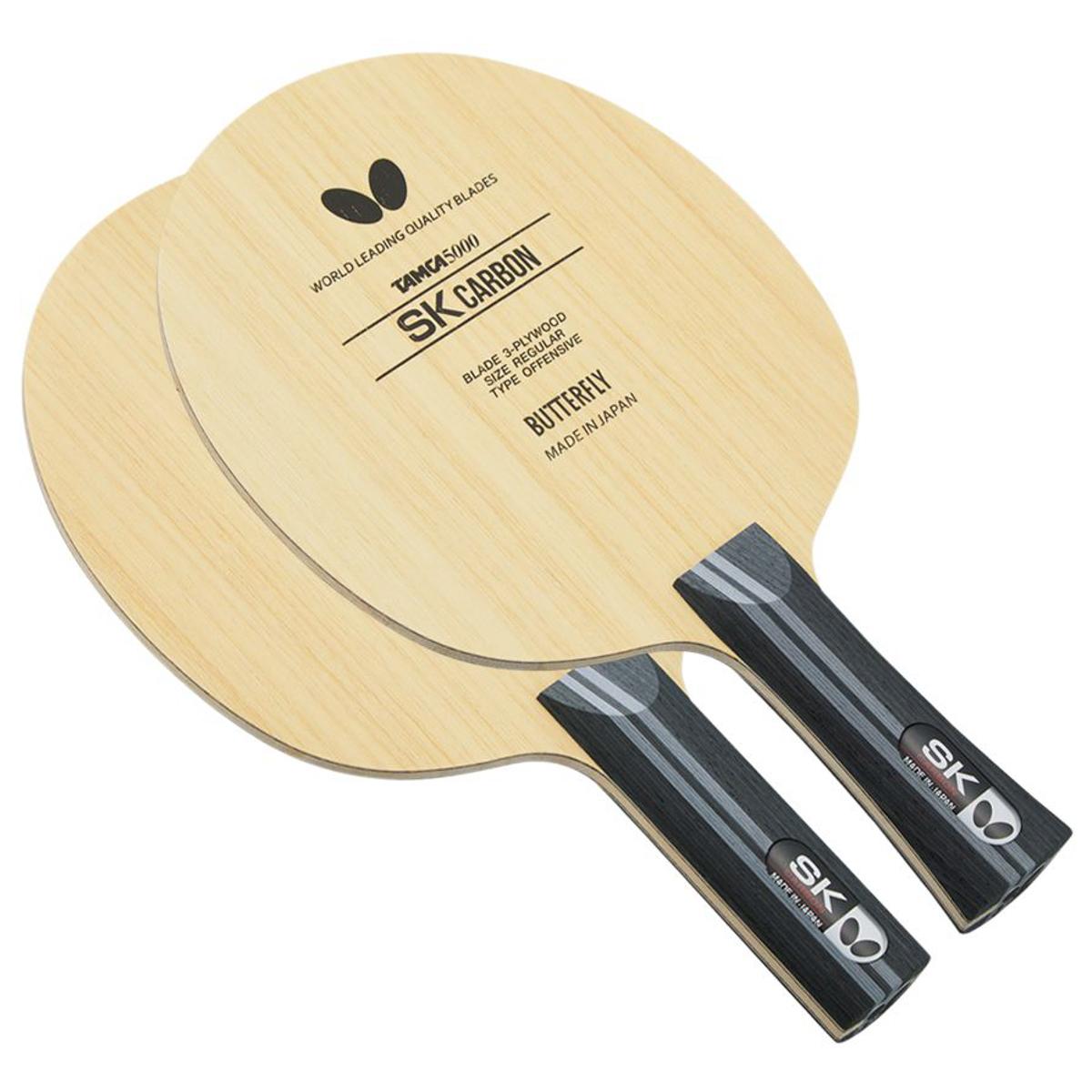
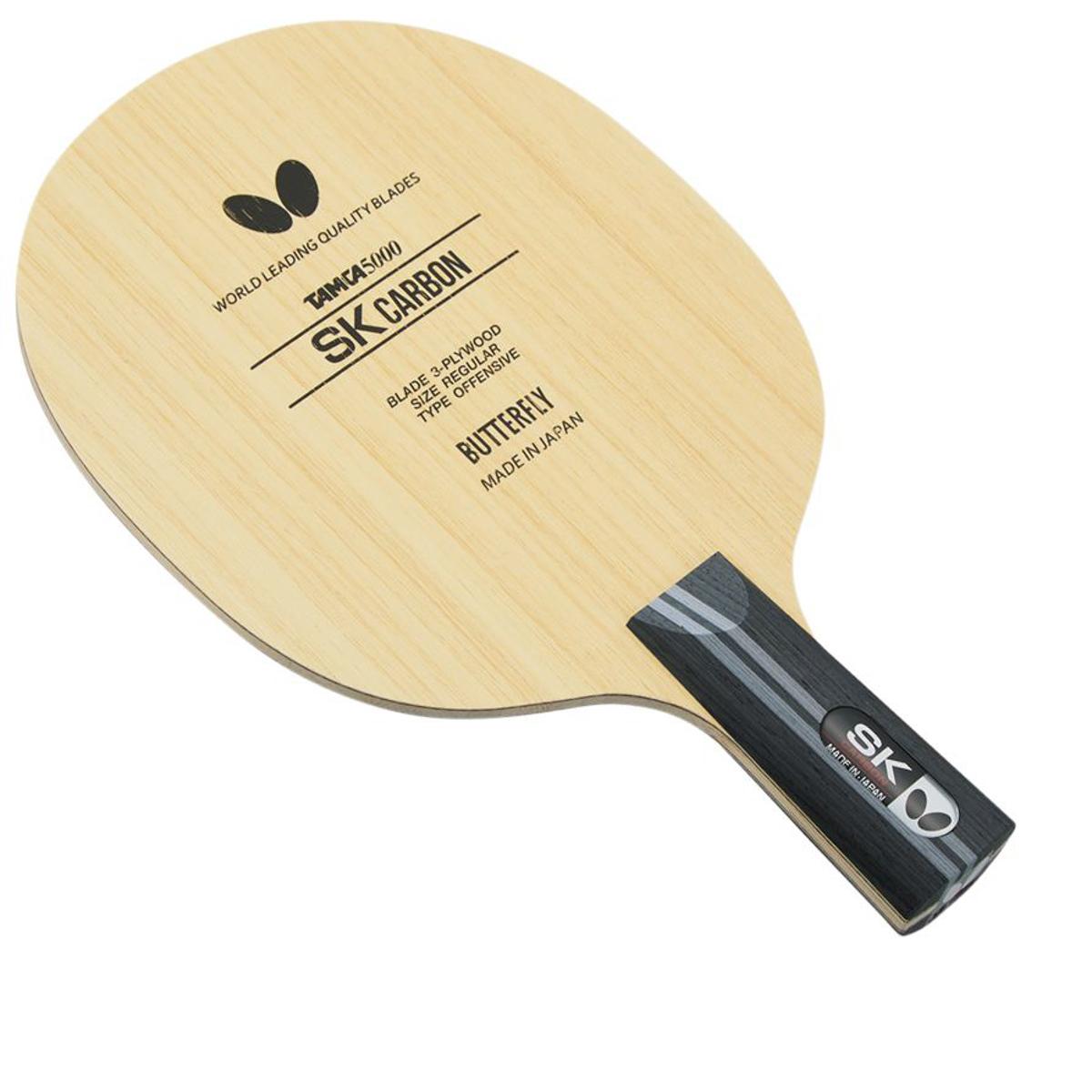
Butterfly SK Carbon CS
$100–140
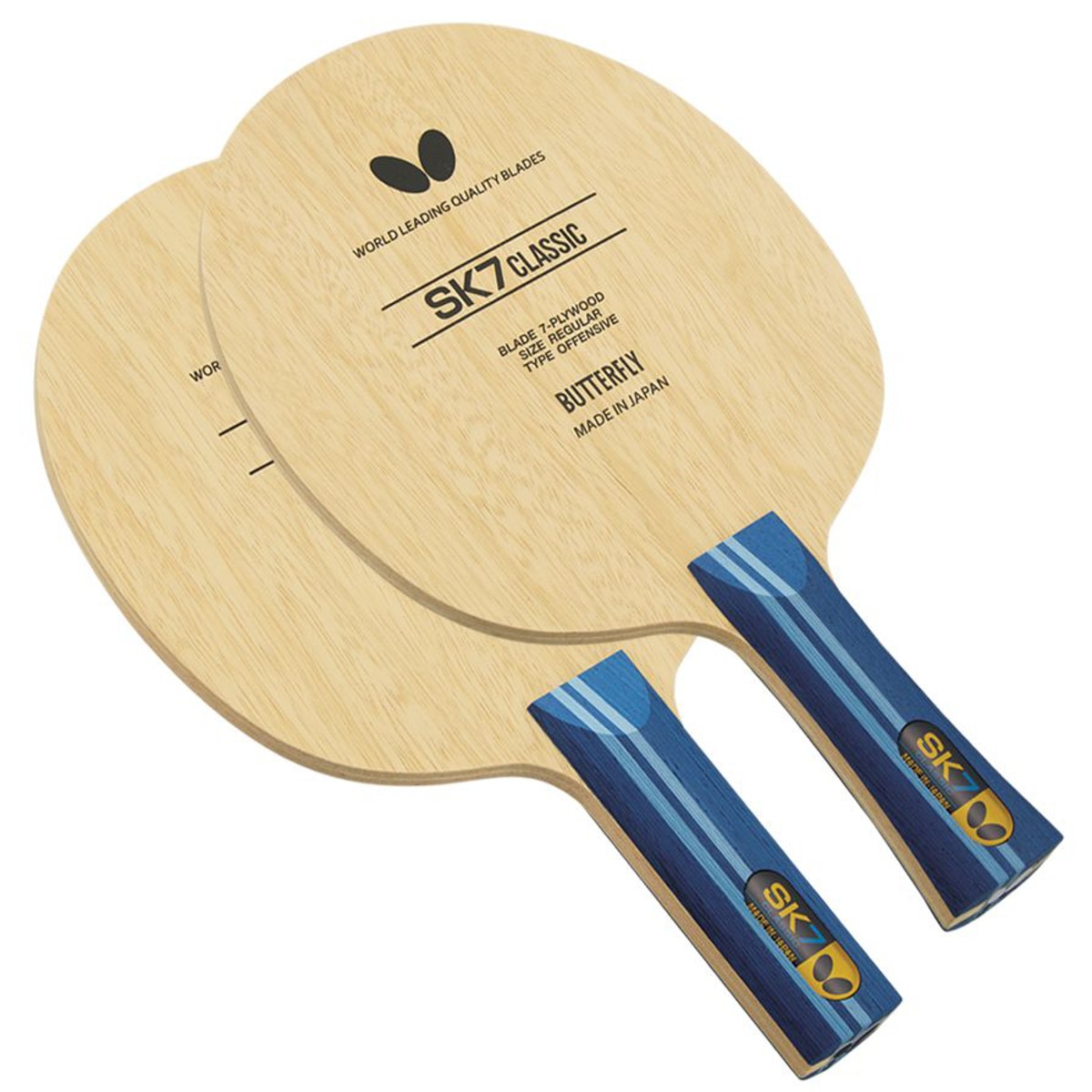
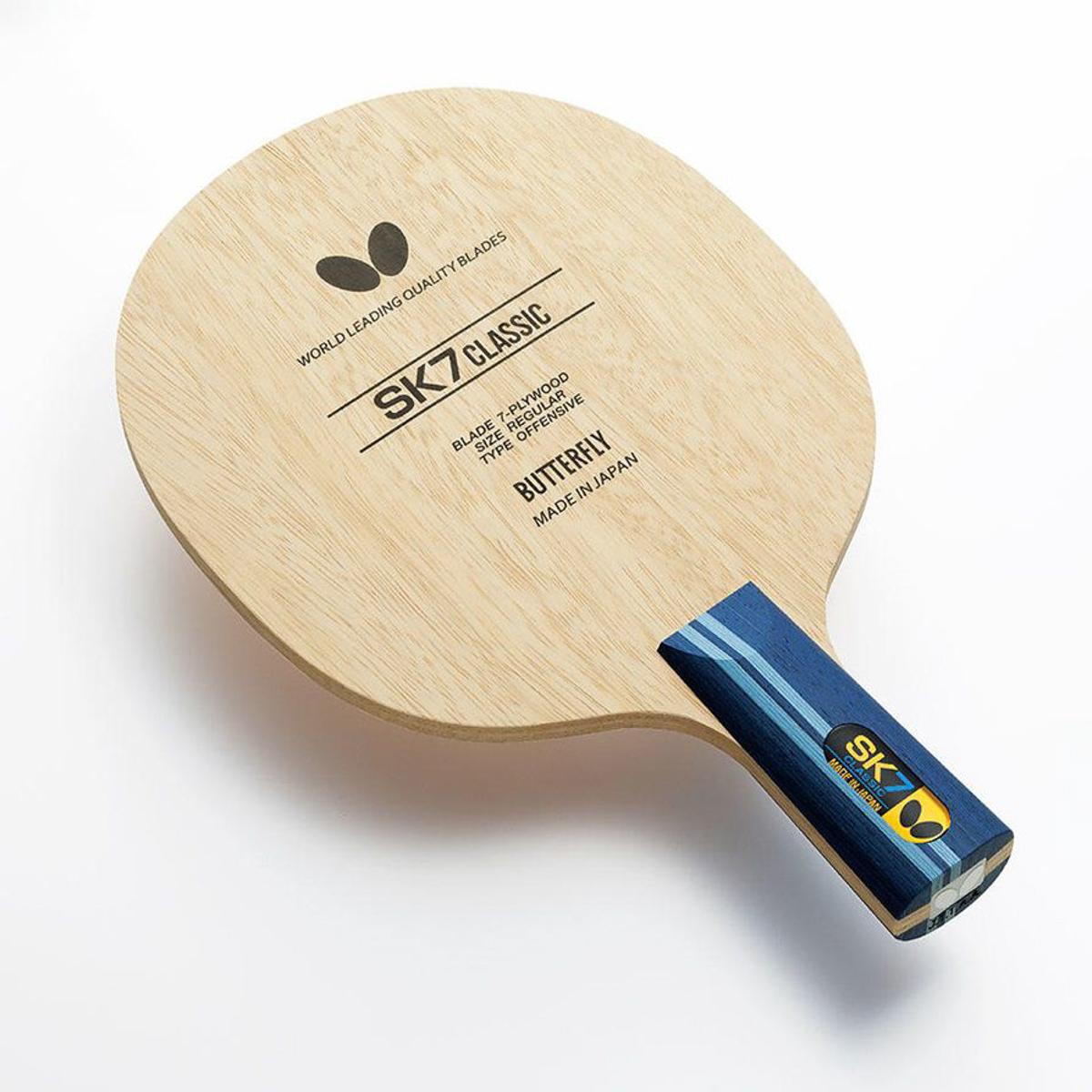
Butterfly SK7 Classic CS
$80–100
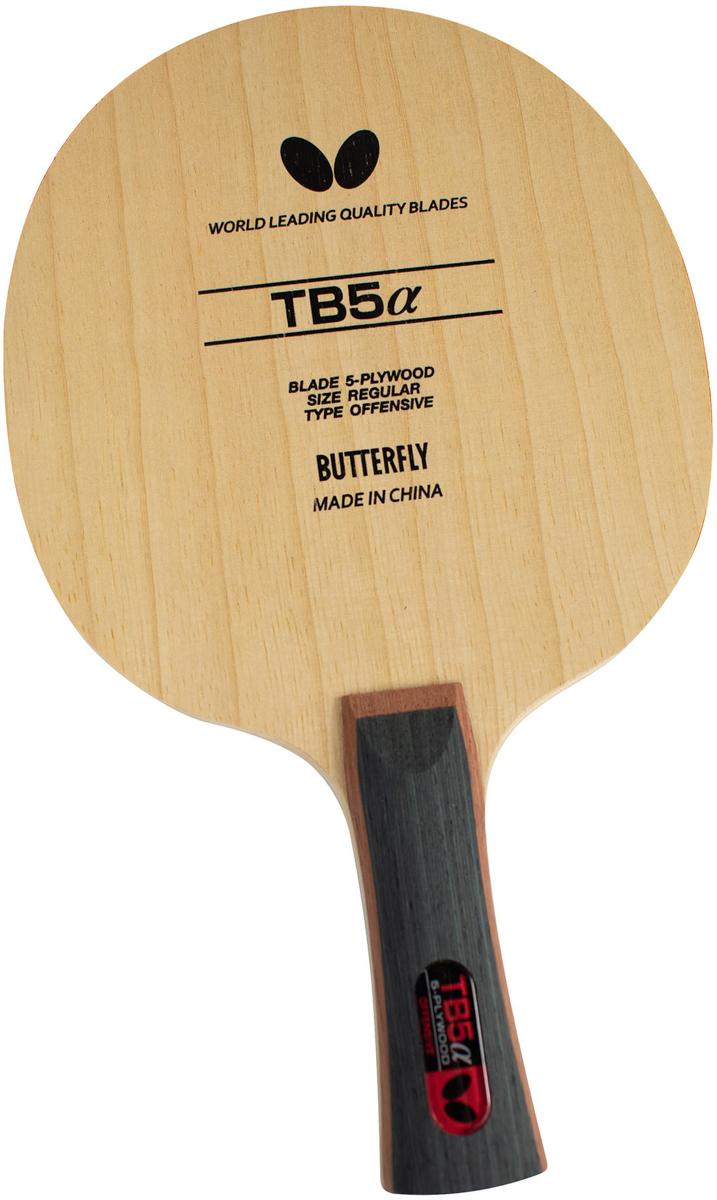
Butterfly TB5 Alpha
$80–100
Butterfly Timo Boll 30th Anniversary
$180–220
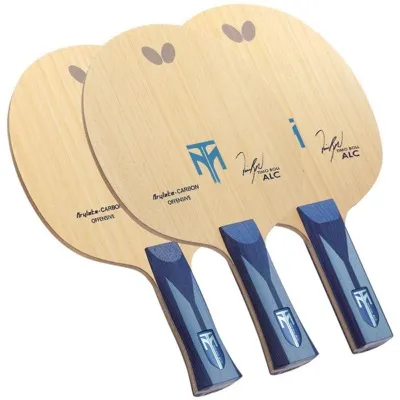
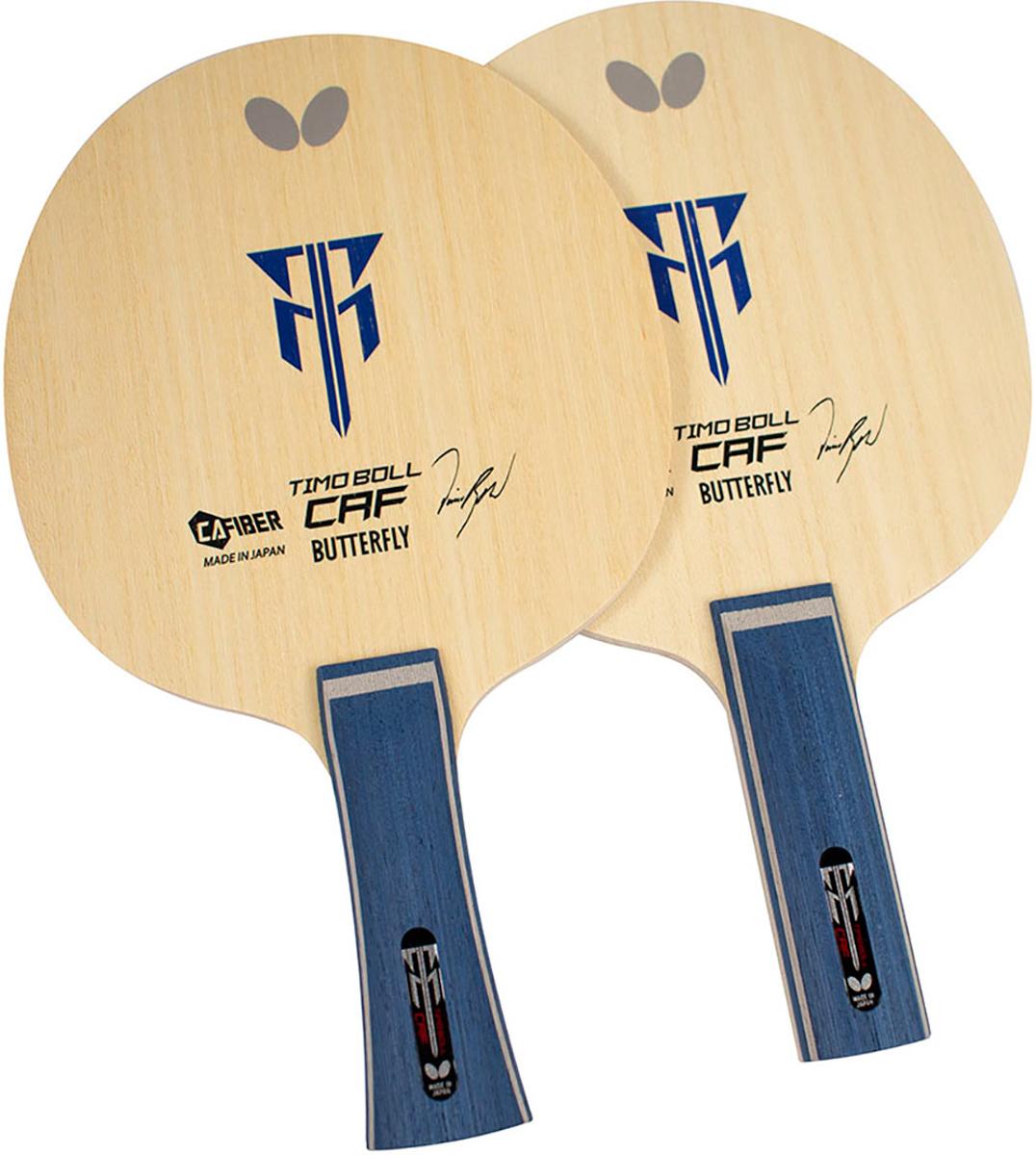
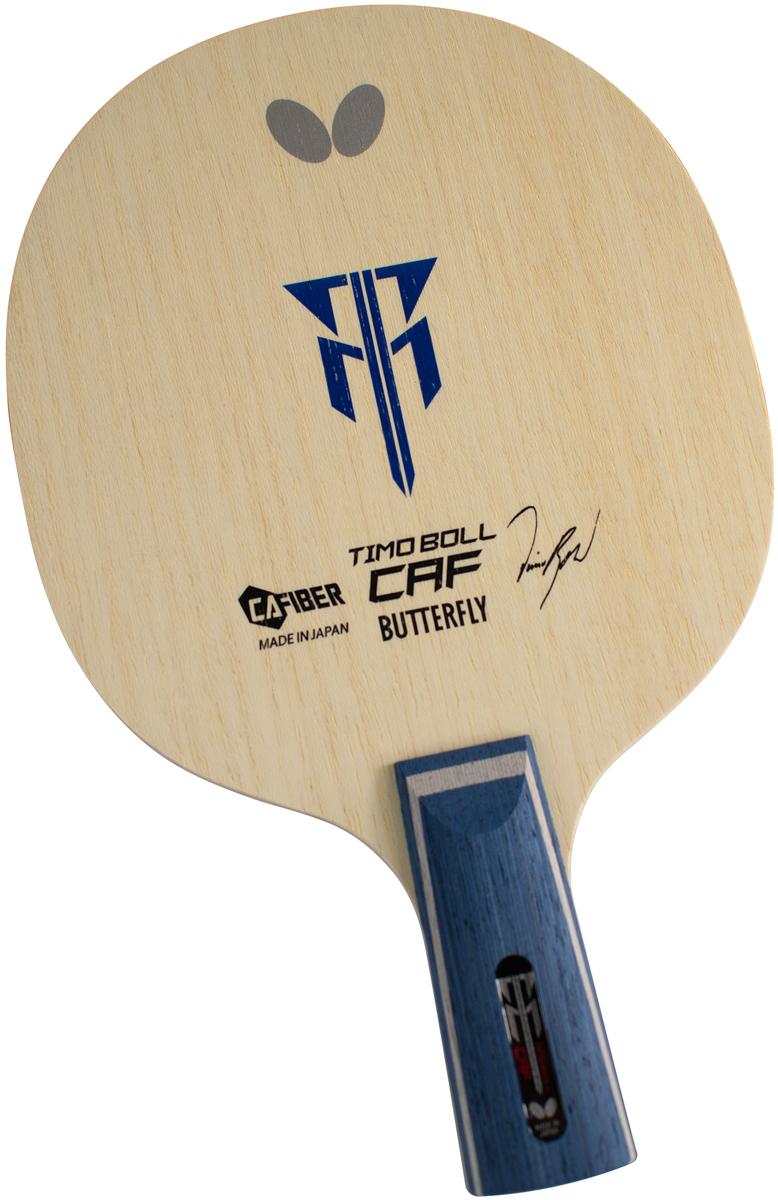
Butterfly Timo Boll CAF CS
$120–160
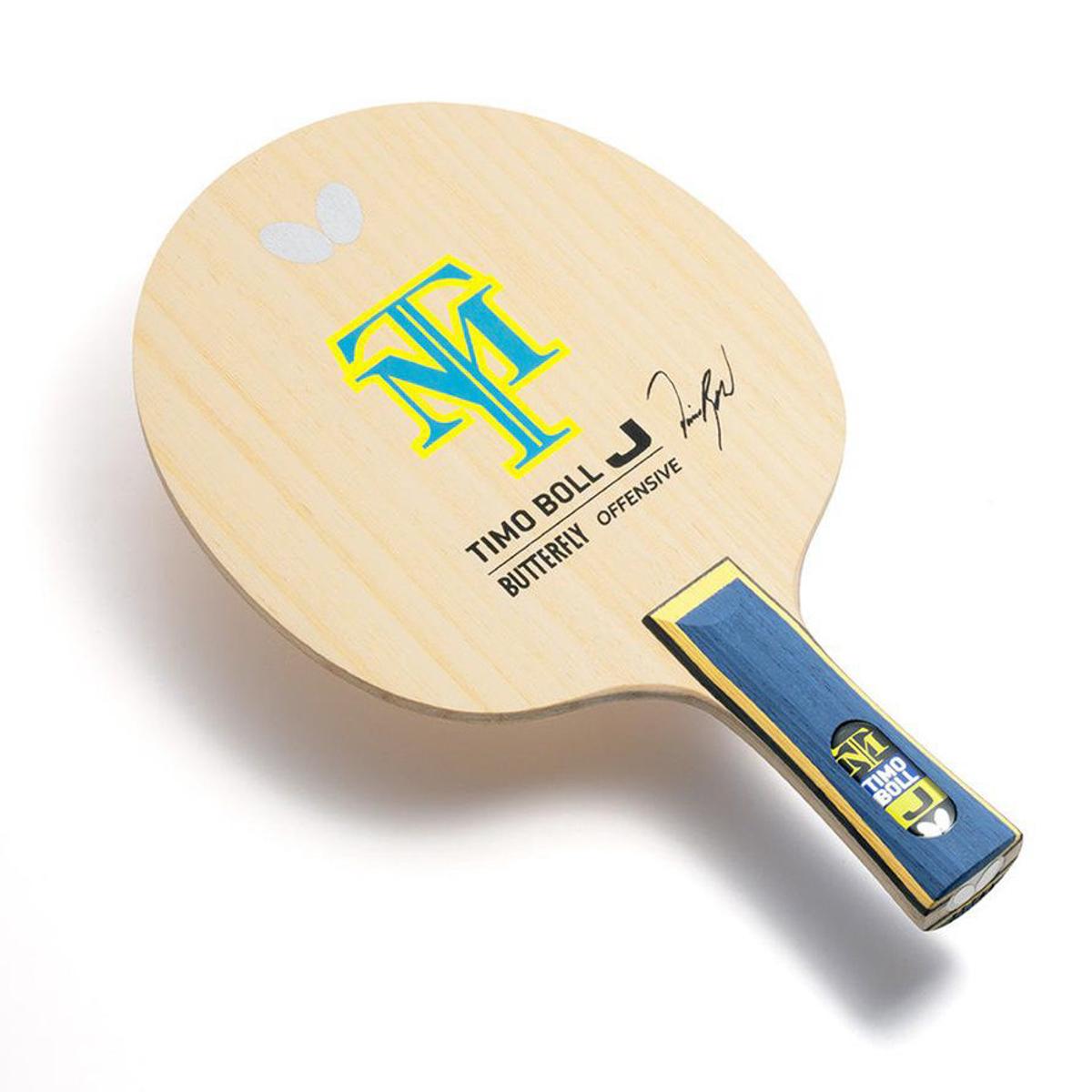
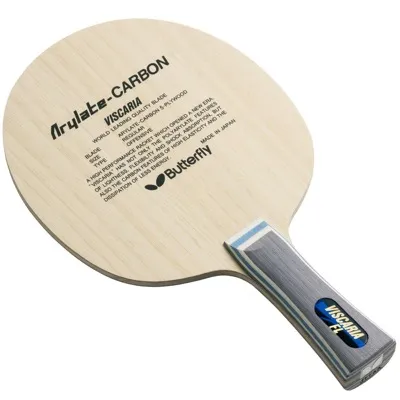
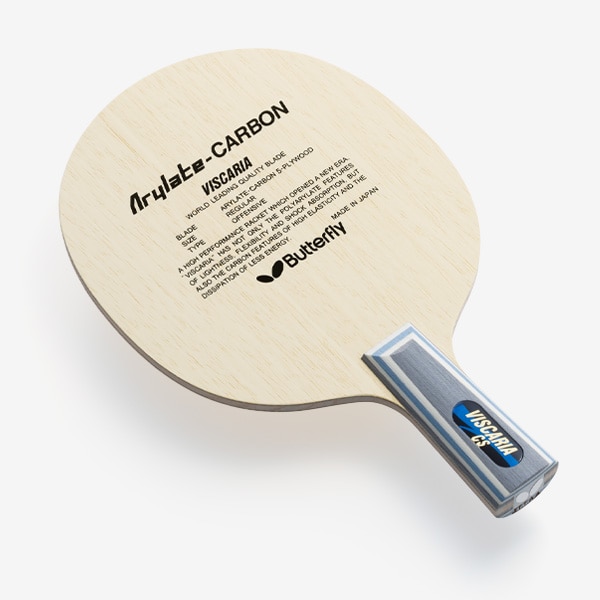
Butterfly Viscaria CS
$120–160
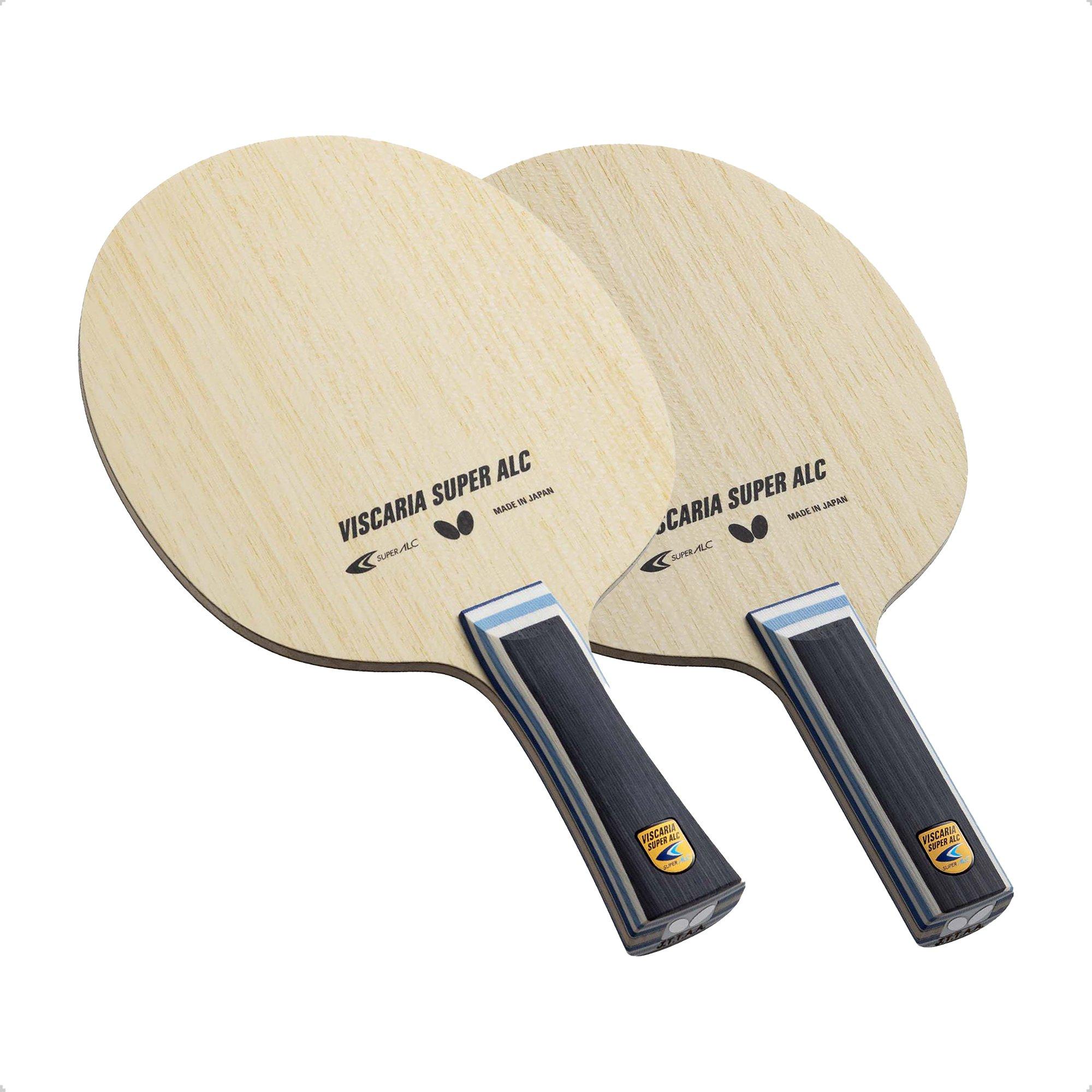
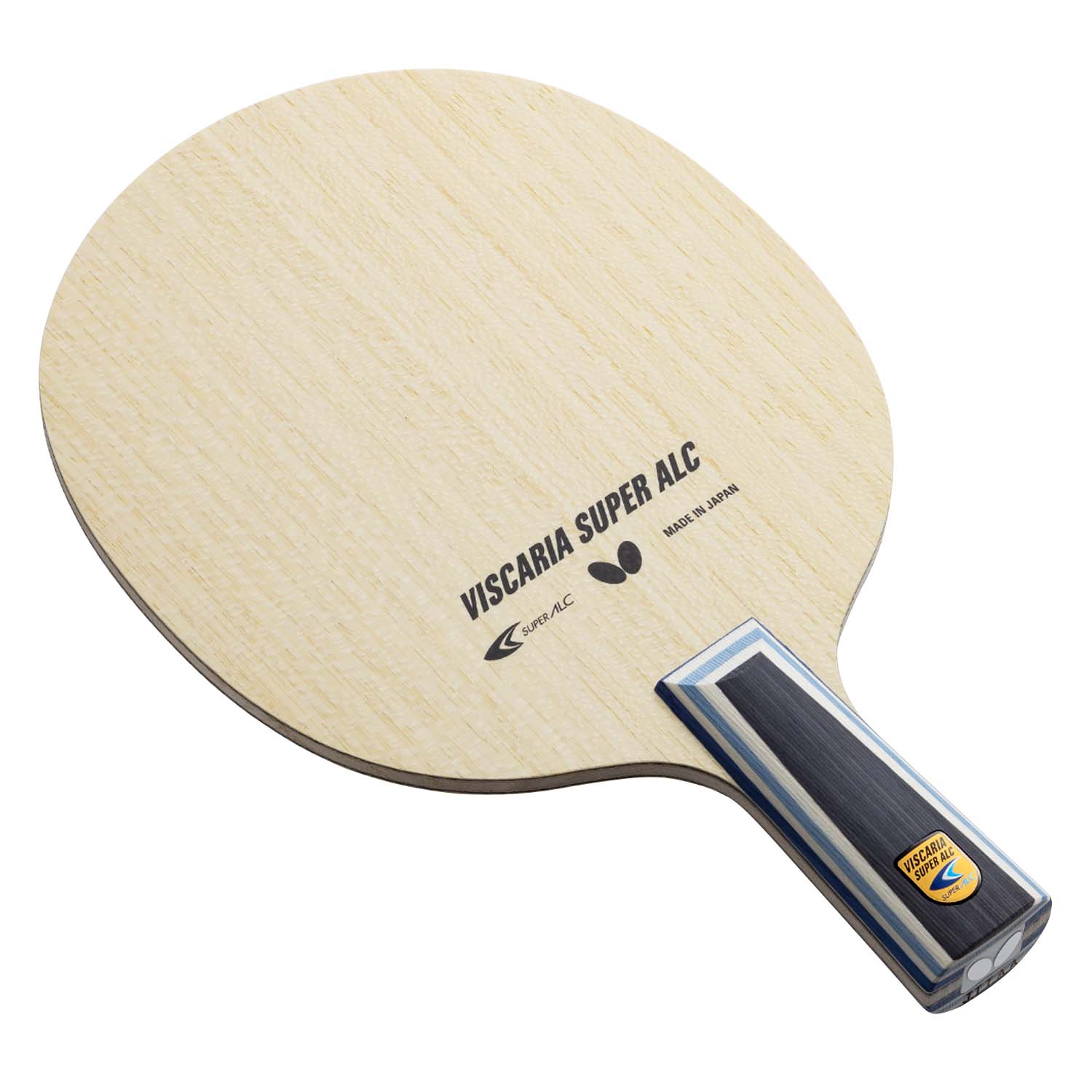
Butterfly Viscaria Super ALC CS
$180–230
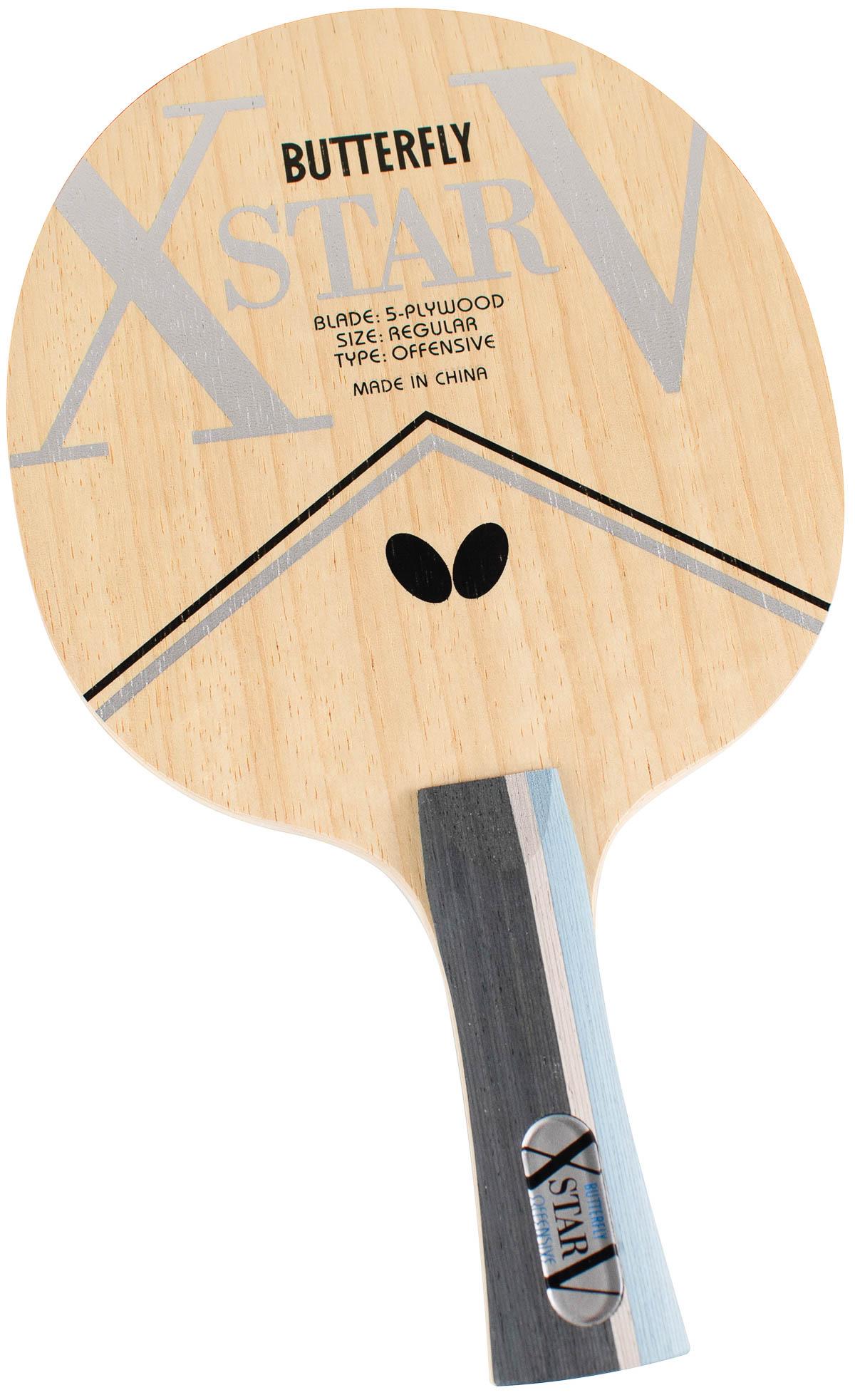
No products match these filters.
Butterfly Rubbers

Butterfly Aibiss
$25–32
Speed: 10.5 Spin: 11
Butterfly Bryce High Speed
$45–55
Speed: 92 Spin: 54
Butterfly Buggler
$40–50
Speed: 53 Spin: 36
Butterfly Challenger Attack
$20–28
Speed: 36 Spin: 43
Butterfly Dignics 64
$75–85
Speed: 90 Spin: 79
Butterfly Dignics 80
$75–85
Speed: 88 Spin: 82
Butterfly Feint AG
$25–35
Butterfly Feint Long 3
$22–28
Speed: 5 Spin: 5 Control: 8.5
Butterfly Feint Long II
$25–35
Butterfly Feint Long III
$25–35
Butterfly Feint OX
$25–35
Butterfly Feint Soft
$25–35
Butterfly Flextra
$18–22
Speed: 29 Spin: 10
Butterfly Glayzer
$55–65
Speed: 81 Spin: 73
Butterfly Glayzer 09C
$55–65
Speed: 75 Spin: 87
Butterfly Ilius B
$30–40
Butterfly Ilius S
$30–40

Butterfly Impartial XB
$35–45
Speed: 58 Spin: 47

Butterfly Impartial XS
$35–45
Speed: 70 Spin: 70
Butterfly Orthodox
$15–20
Butterfly Roundell
$35–45
Speed: 77 Spin: 43
Butterfly Roundell Soft
$35–45
Speed: 76 Spin: 37
Butterfly Spectol
$25–30
Speed: 8 Spin: 6.5 Control: 8
Butterfly Speedy P.O.
$20–28
Speed: 47 Spin: 38
Butterfly Sriver
$25–32
Speed: 38 Spin: 23
Butterfly Sriver EL
$25–32
Speed: 38 Spin: 19
Butterfly Sriver FX
$25–30
Speed: 7 Spin: 7 Control: 9
Butterfly Sriver G3
$28–32
Speed: 7.5 Spin: 7.5 Control: 8.5
Butterfly Super Anti
$25–32
Butterfly Tackiness Chop
$25–35
Speed: 16 Spin: 16
Butterfly Tackiness Chop II
$25–35
Speed: 16 Spin: 30
Butterfly Tackiness Drive
$25–35
Speed: 33 Spin: 15


Butterfly Tenergy 05 Hard
$65–75
Speed: 82 Spin: 96
Butterfly Tenergy 19
$65–75
Speed: 84 Spin: 75
Butterfly Tenergy 25
$65–75
Speed: 64 Spin: 76
Butterfly Tenergy 25 FX
$65–75
Speed: 62 Spin: 64
Butterfly Tenergy 64
$65–75
Speed: 87 Spin: 70
Butterfly Tenergy 64 FX
$65–75
Speed: 85 Spin: 58
Butterfly Tenergy 80 FX
$65–75
Speed: 83 Spin: 61
Butterfly Zyre 03
$110–120
Speed: 88 Spin: 100
No products match these filters.
Butterfly Tables
Butterfly Active 19
$845
Butterfly Active 4000 Outdoor
$964
Butterfly Active 5000 Outdoor
$1118
Butterfly Active 6000 Outdoor
$1197
Butterfly Active 7000 Outdoor
$1289
Butterfly Aspire 19
$1288
Butterfly Aspire 22
$1147
Butterfly Aspire 25
$1852
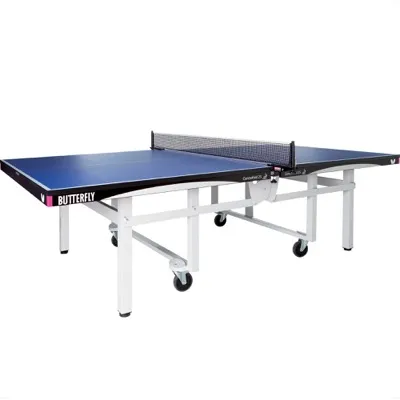
Butterfly Easifold DX 22
$1600
Butterfly Easyplay 22
$1800
Butterfly Europa 25
$1600–1840
Butterfly Garden Rollaway 6000
$1767
Butterfly Garden Rollaway 7000
$1833
Butterfly National League 25
$1840
Butterfly Octet 25
$1976
Butterfly Park Outdoor
$2000
Butterfly Playback Outdoor
$1106–1400
Butterfly Space Saver 22
$1840
Butterfly Timo Boll Crossline Outdoor
$1512
Butterfly Timo Boll Repulse
$870
Butterfly Balls
Butterfly BTB Training Ball 40+ (144-pack)
$115
Butterfly BTB Training Ball 40+ (6-pack)
$7
Butterfly MK 1-Star Ball (6-pack)
$4
Butterfly MK 2-Star Ball (6-pack)
$5
Butterfly MK 3-Star Ball (12-pack)
$15
Butterfly R40+ 3-Star Ball (12-pack)
$32
Butterfly R40+ 3-Star Ball (3-pack)
$10
Butterfly Robots
Butterfly Amicus Expert
$2200
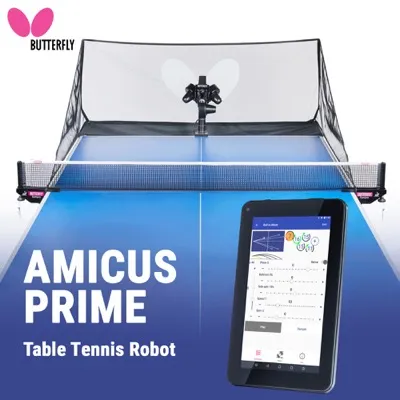
Butterfly Practice Partner 20
$500
Butterfly Accessories
Butterfly Lezoline Gigu
$130
Butterfly Lezoline Levalis
$170
Butterfly Lezoline Mach
$150
Butterfly Lezoline Nine
$150
Butterfly Lezoline Reiss
$85
Butterfly Lezoline Rifones
$160
Butterfly Lezoline Unizes
$75
Butterfly Lezoline Unizes II
$85
Butterfly Lezoline Vilata
$100
Butterfly Lezoline Vilight
$100
Butterfly Lezoline Vilight II
$115
Butterfly Products Featured In Our Guides
- Complete Guide to Table Tennis Equipment: Paddles, Rubbers, Tables, and Gear
- Complete Beginner Table Tennis Setup Guide: Paddle, Table, Balls, and Accessories
- Best Table Tennis Paddles: Complete Buyer's Guide
- 5 Best Premade Table Tennis Paddles in 2026
- Best Table Tennis Paddles for Beginners
- 5 Best Table Tennis Paddles Under $50 in 2026
- Best Table Tennis Paddles for Advanced and Professional Players
- 7 Best Table Tennis Balls for Training and Competition in 2026
- Three-Star Table Tennis Ball Comparison: Brands and Bounce
- Best Table Tennis Tables for Home and Club Play
- Best Indoor Table Tennis Tables
- Best Table Tennis Conversion Tops: Turn Any Table into a Ping Pong Table
- Best Table Tennis Tables Under $500
- Best Table Tennis Rubbers for Every Playing Style
- Best Inverted Table Tennis Rubbers
- 7 Best Table Tennis Robots for Practice & Training (2026)
- 7 Best Table Tennis Blades for Attack, All-Round, and Defensive Play in 2026
- Best Table Tennis Paddles for Intermediate Players
- Best Table Tennis Accessories and Training Aids in 2026
Is Butterfly a good table tennis brand?
Butterfly (Tamasu Co., Ltd.) is the most-used brand in professional table tennis. At the 2021 World Championships, 46.9% of players used Butterfly rubbers and 54.8% used Butterfly blades, the highest market share of any manufacturer.
Is Butterfly a Japanese brand?
Butterfly was founded in 1950 by Hikosuke Tamasu in Yanai, Japan. Tamasu Co., Ltd. is headquartered in Sumida, Tokyo, and manufactures rubbers and blades in Japanese factories.
Why is Butterfly table tennis equipment expensive?
Butterfly rubber sheets cost $55-95 per sheet compared to $15-40 for DHS and STIGA equivalents. The premium reflects Japanese manufacturing, proprietary Spring Sponge technology introduced in 2008, and tighter quality tolerances across production batches than competitors who outsource manufacturing.