Butterfly Timo Boll ZLF Blade Review
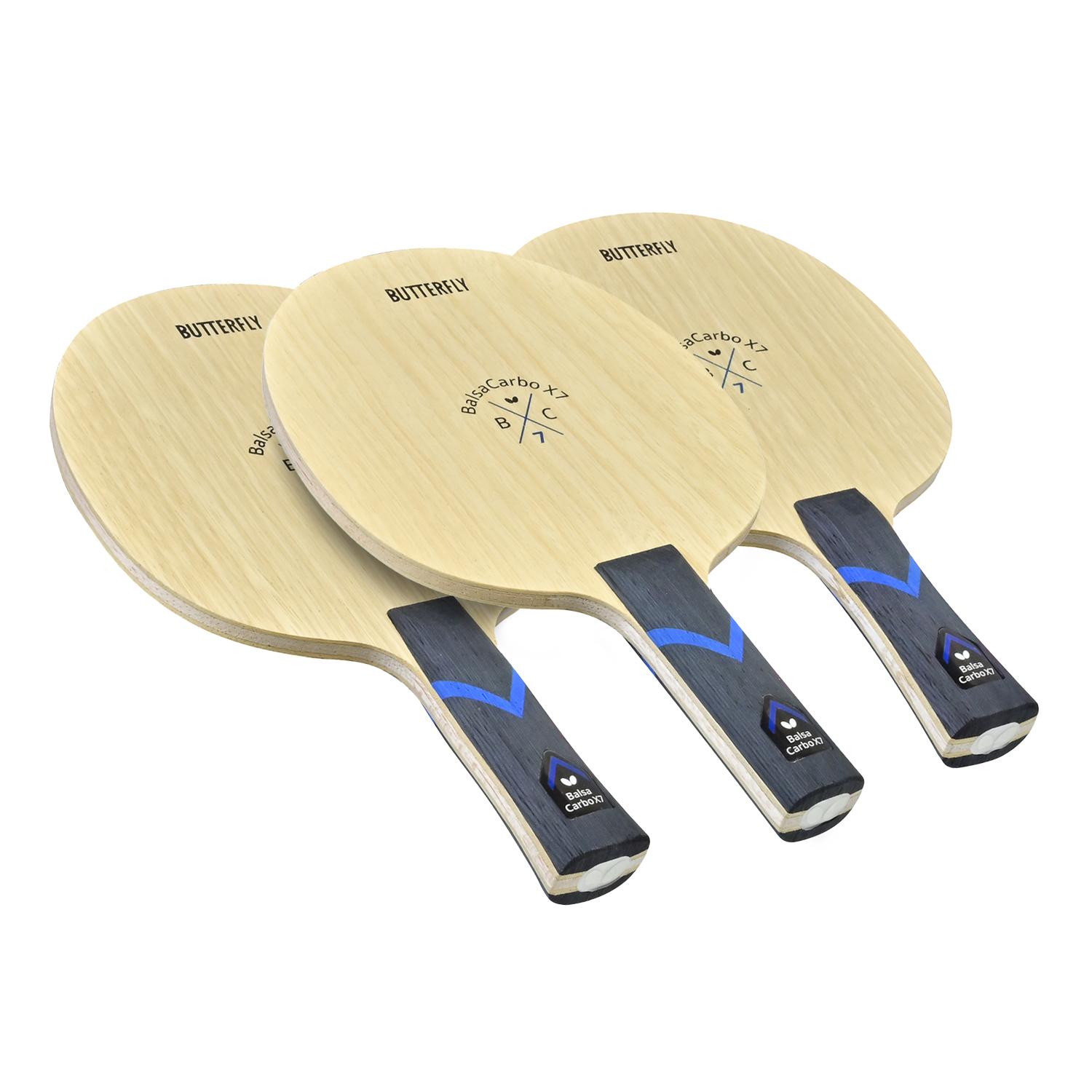
The Timo Boll ZLF is Butterfly's 7-ply ZL Fiber blade at 83g, rated 8.0/10 speed and 8.0/10 control for $215.
· Updated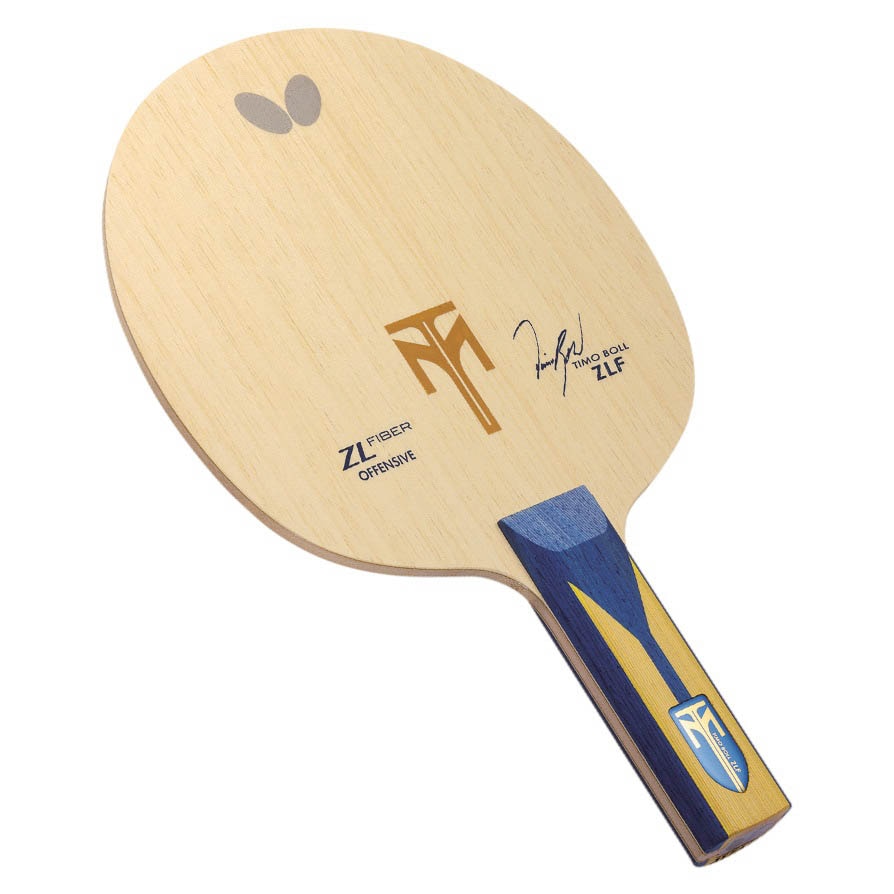
Specifications
| Composition | 5W + 2 ZL Fiber |
| Plies | 7 |
| Weight | 83g |
| handleType | FL |
| bladeThickness | 6.2mm |
| speedClass | ALL+ |
| reaction | 10.5 |
| vibration | 9.4 |
| Top Thickness | 5.4mm |
| headSize | 157x150mm |
How Does Removing Carbon Affect the Timo Boll Blade?
The Timo Boll ZLF replaces ZL-Carbon with pure ZL Fiber, eliminating the stiffness and catapult effect that carbon introduces. At 83g, this is the lightest blade in the Timo Boll signature line, 2g under the ALC and 2g under the ZLC. The reduced weight and softer fiber combine to create a blade that feels closer to all-wood than any other composite in Butterfly’s catalog, apart from the Innerforce Layer ZLF.
Balanced ratings of 8.0/10 for both speed and control place this blade squarely in all-round territory. Loops carry moderate pace with good arc, and blocks absorb incoming speed rather than reflecting it back unpredictably. Players rated 1400-2000 USATT who train 2-3 times per week benefit from this balance because it rewards developing technique without punishing inconsistency.
At $215, the Timo Boll ZLF sits between the ALC ($185) and ZLC ($270). The price reflects Butterfly’s ZL Fiber material cost, which uses Zylon from Toyobo Corporation. Players upgrading from all-wood blades find $215 reasonable for a composite that preserves the feel they already know while adding speed.
Who Benefits Most from the Balanced Speed-Control Profile?
All-round attackers who mix topspin loops with flat drives and occasional chops gain the most from this blade’s versatility. The 8.0/10 speed generates enough pace to win points on forehand loops from close-to-mid distance, while the matching 8.0/10 control keeps pushes and flicks accurate during serve reception.
Club players competing in league matches face opponents with varied styles. Against defensive choppers, the ZLF provides enough speed to loop through backspin. Against aggressive attackers, the control rating helps redirect fast drives with consistent placement. The Viscaria at 9.0/10 speed handles the offensive side better but struggles with the defensive transitions that the ZLF manages smoothly. Players who know they want maximum attack power skip the ZLF for the Timo Boll ZLC, accepting the $55 premium and the control trade-off.
Related Blades
What is the difference between ZLF and ZLC in Butterfly blades?
ZLF uses Zylon fibers without carbon, producing a softer, more flexible blade. The Timo Boll ZLF rates 8.0/10 speed versus the ZLC's 9.5/10, with 8.0/10 control versus 7.0/10. ZLF costs $55 less.
Is the Timo Boll ZLF good for all-round play?
Its balanced 8.0/10 speed and 8.0/10 control suit all-round attackers rated 1400-2000 USATT. The blade handles both topspin loops and controlled pushes without forcing players to choose offense over defense.