Butterfly Primorac Blade Review
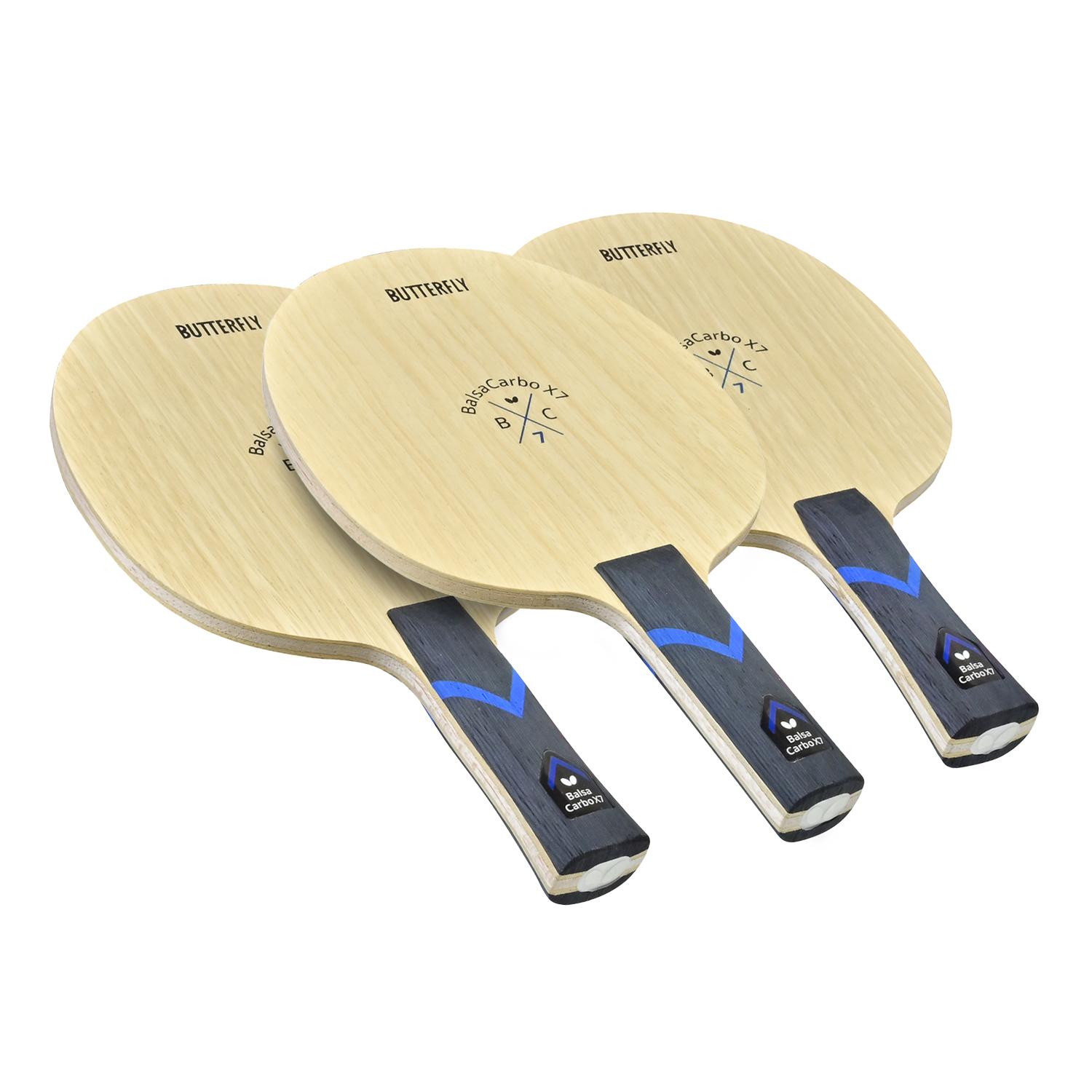
The Primorac is a 5-ply all-wood blade at 83g, rated 7.5/10 speed and 8.0/10 control for $77, for intermediate players building loop technique.
· Updated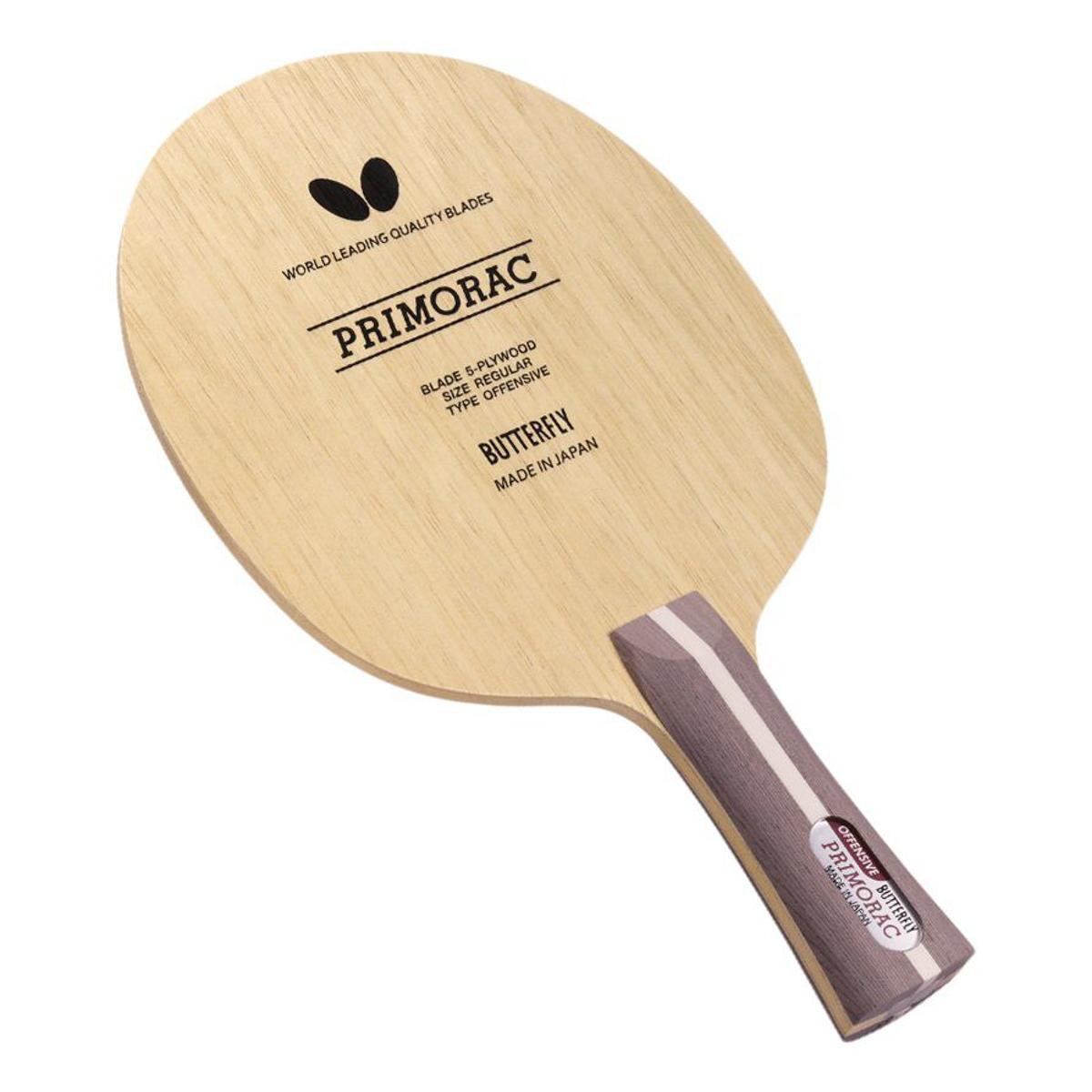
Specifications
| Composition | 5W all-wood |
| Plies | 5 |
| Weight | 83g |
| handleType | FL |
| bladeThickness | 5.8mm |
| speedClass | ALL+ |
| reaction | 9.7 |
| vibration | 7.6 |
| Top Thickness | 5.5mm |
| headSize | 157x150mm |
The Balanced Intermediate Blade
The Primorac delivers 7.5/10 speed and 8.0/10 control at 83g, sitting precisely between beginner blades and fast offensive options in Butterfly’s lineup. Named after the Croatian player Zoran Primorac, this blade has been a staple of club-level table tennis for over two decades. Its forgiving sweet spot and predictable ball response make it the safest choice for intermediate players who need a blade that helps them improve rather than one that exposes every technical flaw.
At $77, the Primorac costs $8 more than the Maze Advance ($66) but trades half a point of speed for half a point of control. That tradeoff defines the Primorac’s purpose: consistency over aggression. Players who win through rallying, spin variation, and strategic placement gain more from 8.0/10 control than from the Maze Advance’s extra pace. Players who rely on third-ball kills need the Maze Advance or the Petr Korbel ($69) instead.
The Primorac’s 83g weight keeps it 10g lighter than the Korbel, reducing arm fatigue during multi-hour practice sessions. Combined with its medium flex, the blade produces a comfortable, woody contact feel with enough dwell time to generate spin on brushing strokes without requiring extreme racket speed.
Competitive Performance and Upgrade Timing
For players rated 1100 to 1500 USATT, the Primorac handles every competitive situation they encounter. Loops carry sufficient spin and pace to win points. Blocks stay controlled. Service returns land consistently. The blade does not impose limitations at this level.
Above 1500 USATT, the Primorac’s 7.5/10 speed begins to limit attacking options against defenders who can absorb topspin loops. At this point, players typically move to the Korbel SK7 ($99) for all-wood speed or the Viscaria ($150-190) for composite power. The Yasaka Sweden Extra ($60) offers a budget lateral option with slightly different wood characteristics at lower cost.
Why Coaches Recommend the Primorac
Table tennis coaches consistently recommend the Primorac for developing players because it does not mask technical errors. A poorly executed loop produces noticeably less spin on the Primorac than on a carbon blade, giving the player accurate feedback on stroke quality. Carbon composites can compensate for timing errors with raw speed, which builds bad habits. The Primorac forces clean technique.
The Xstar V at $40 serves a similar coaching purpose at lower cost but lacks the Primorac’s refinement in feel and sweet spot consistency. Players who can afford $77 start with the Primorac. Players on tighter budgets start with the Xstar V and upgrade later.
Featured In
Related Blades
Is the Primorac better than the Petr Korbel?
The Primorac (83g, 7.5/10 speed, 8.0/10 control, $77) prioritizes consistency. The Korbel (93g, 8.0/10 speed, 7.5/10 control, $69) prioritizes power. Choose the Primorac for controlled looping, the Korbel for aggressive hitting.
What rubbers work best with the Primorac?
Butterfly Rozena on both sides creates a balanced setup under $150. Tenergy 05 on the forehand with Rozena on the backhand adds attacking spin. Avoid pairing two Tenergy sheets, as the combined speed exceeds what the 7.5/10 blade optimally supports.