Butterfly Omar Assar Blade Review
The Omar Assar is Butterfly's 7-ply Arylate-Carbon blade at 85g, rated 8.5/10 speed and 7.5/10 control for $165.
· UpdatedSpecifications
| Composition | 5W + 2 Arylate-Carbon |
| Plies | 7 |
| Weight | 85g |
| handleType | FL |
| bladeThickness | 5.7mm |
| speedClass | OFF |
What Makes the Omar Assar the Value Pick Among Butterfly ALC Blades?
The Omar Assar blade costs $165, making it the least expensive Arylate-Carbon blade in Butterfly’s current signature lineup. The Timo Boll ALC and Freitas ALC both cost $185, while the Viscaria ranges from $150-190. At 85g with 8.5/10 speed and 7.5/10 control, the Omar Assar delivers the classic ALC feel at a lower entry point.
Omar Assar, the Egyptian national team star, plays an aggressive looping game built on consistent placement rather than maximum power. The blade reflects this: 8.5/10 speed sits 0.5 points below the Timo Boll ALC and Freitas ALC but the 7.5/10 control matches both. Players who prioritize placing their loops to specific spots on the table, rather than blasting through opponents with raw speed, find this 0.5-point speed reduction irrelevant in practice.
The 85g weight positions the Omar Assar between the Timo Boll ALC (88g) and the lighter ZLF models. This weight allows fast swing speeds without the fatiguing heaviness of 90g+ blades during long matches. Advanced players who compete in multi-round tournaments appreciate the reduced strain across consecutive matches.
How Does the Omar Assar Handle Different Rubber Pairings?
Tenergy 05 on both sides creates a setup with roughly 9.0 combined speed and strong spin generation. The blade’s balanced profile lets Tenergy 05 perform without the harshness that stiffer blades introduce. Players who use Dignics 09C on the forehand find the blade’s moderate stiffness complements the rubber’s harder sponge, producing controlled but spin-heavy loops.
Budget-conscious players pairing the Omar Assar with mid-range rubbers like Rozena ($40-50) create a complete setup under $250, compared to $300+ for a Viscaria with Tenergy 05. The blade’s 7.5/10 control ensures that less expensive rubbers still perform consistently, without the blade amplifying their limitations the way faster models do.
The Innerforce Layer ZLC at $245 offers the same speed and control ratings with inner ZL-Carbon instead of Arylate-Carbon. Players choosing between the two pay $80 more for the ZLC’s additional dwell time and spin potential on loops, a worthwhile upgrade for spin-dominant players but unnecessary for flat hitters.
Related Blades
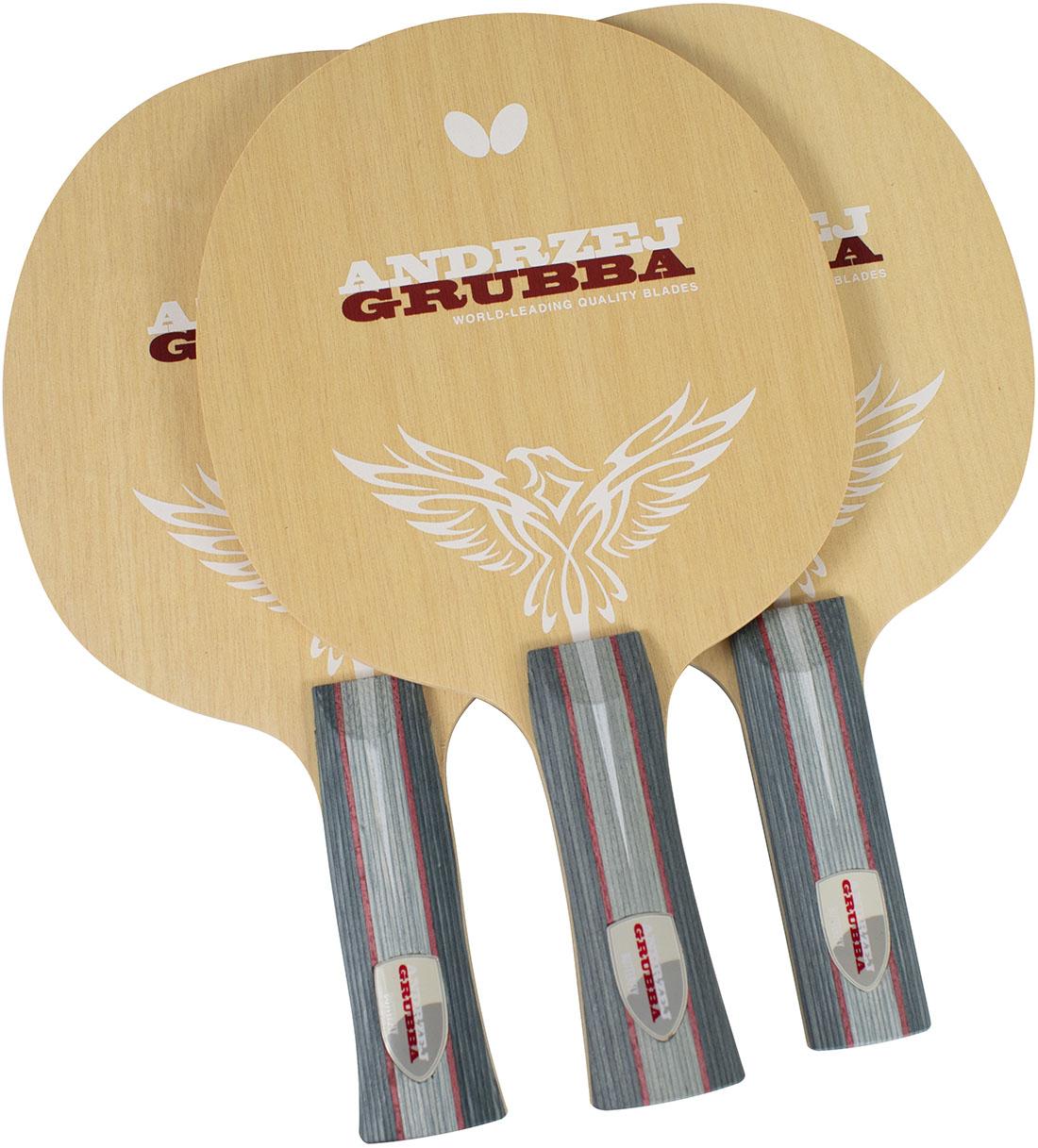
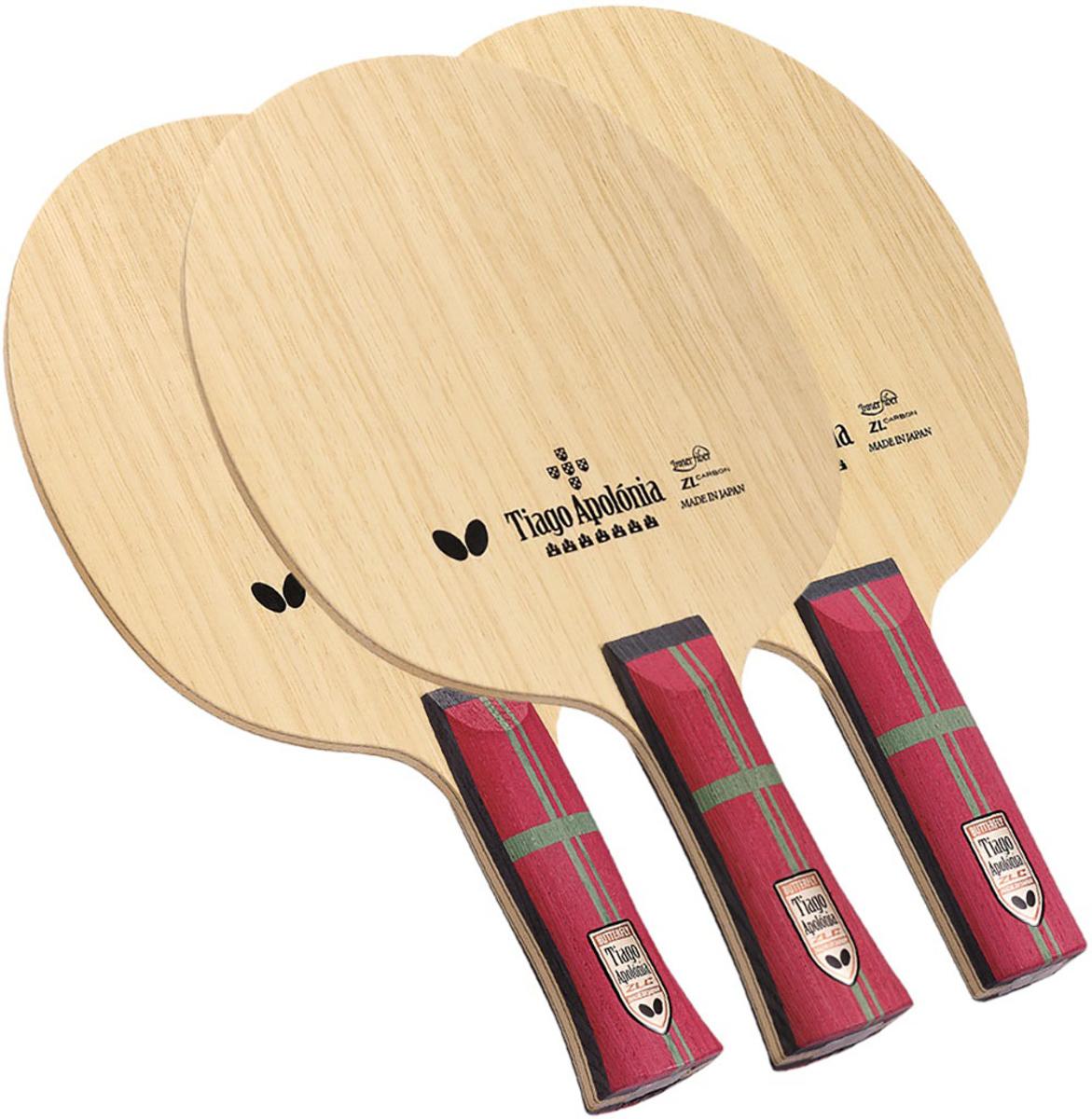
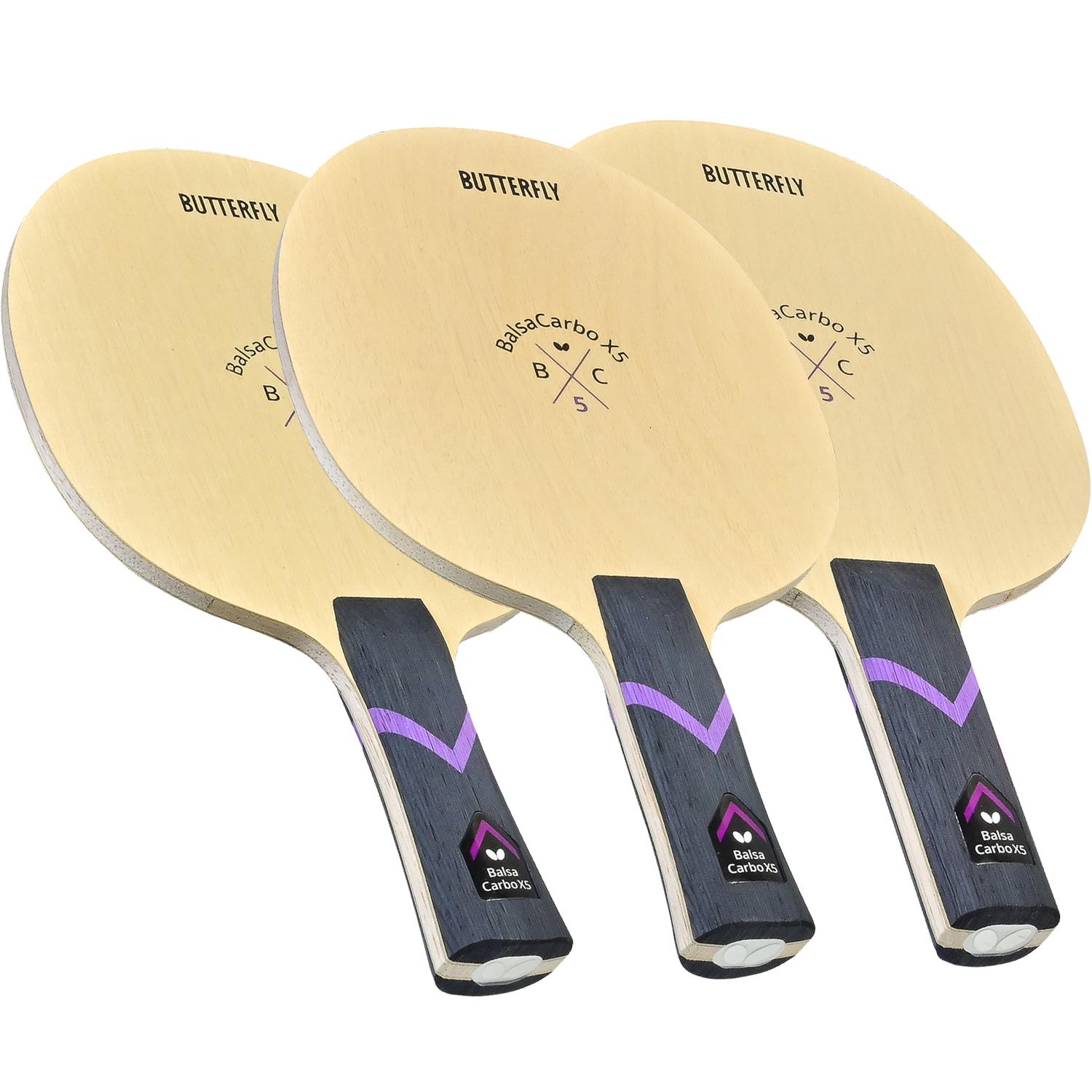
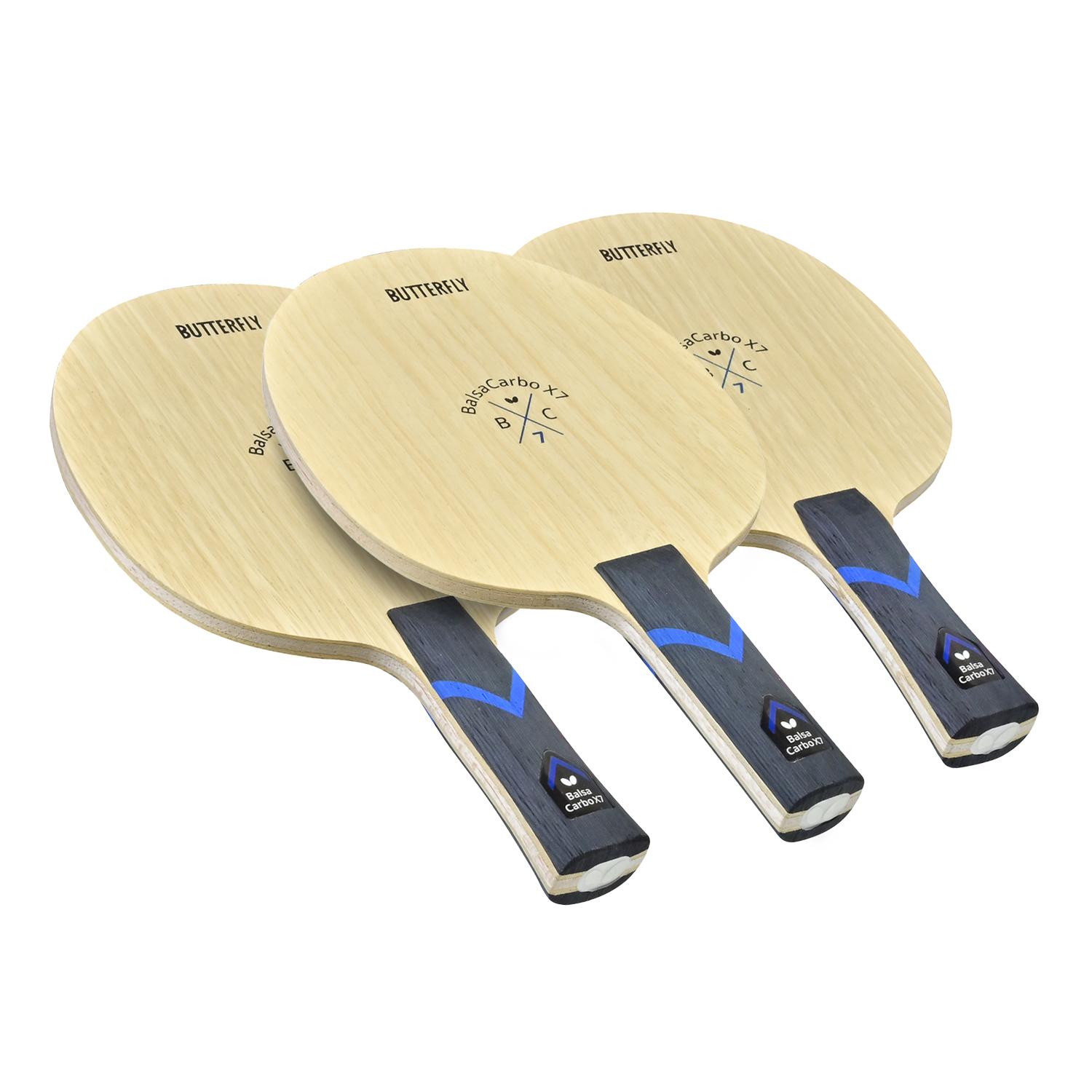
Is the Omar Assar blade a good value compared to other Butterfly ALC blades?
At $165, the Omar Assar costs $20 less than the Timo Boll ALC and Freitas ALC (both $185). It delivers 8.5/10 speed, 0.5 points below those models, making it the most affordable current Butterfly ALC blade.
What skill level suits the Omar Assar blade?
Advanced players rated 1500-2100 USATT who rely on consistent topspin placement over raw power. The 8.5/10 speed and 7.5/10 control provide enough offense for winning loops without sacrificing accuracy.